فوائد غلاف النفط عالي الأداء في استكشاف الطاقة
دراسات الحالة: التطبيقات الناجحة لتقنية تغليف الزيت المتقدمة
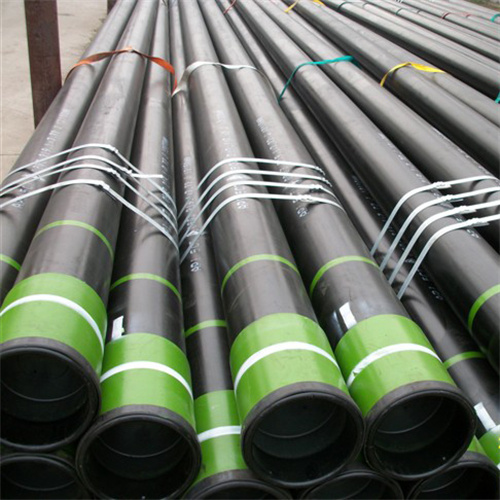
في مجال استخراج الطاقة الحديثة، يقف دور تكنولوجيا أغلفة النفط بمثابة شهادة على الدور المحوري للابتكار في تعزيز الكفاءة التشغيلية والاستدامة البيئية. إن غلاف النفط، وهو عنصر حاسم في آبار النفط والغاز، لا يضمن السلامة الهيكلية فحسب، بل يلعب أيضًا دورًا حاسمًا في تحسين عائدات الإنتاج وحماية البيئة.
إحدى الحالات المثالية التي تسلط الضوء على التأثير التحويلي لتكنولوجيا غلاف النفط المتقدمة هي تطبيقها في عمليات الحفر البحرية في بحر الشمال. وهنا، تبنى المشغلون تصميمات أغلفة حديثة تدمج السبائك المقاومة للتآكل وتقنيات الختم المتقدمة. لا تتحمل هذه الابتكارات البيئة البحرية القاسية فحسب، بل تعمل أيضًا على إطالة العمر التشغيلي للآبار، وبالتالي تعزيز الكفاءة العامة وتقليل تكاليف الصيانة.
علاوة على ذلك، في التطبيقات البرية مثل استخراج النفط الصخري في حوض بيرميان بولاية تكساس، تم استخدام أنظمة التغليف المتقدمة ثورة في ممارسات الحفر. ومن خلال دمج المواد عالية القوة والهندسة الدقيقة، يمكن للمشغلين التنقل في التكوينات الجيولوجية المعقدة بمزيد من السهولة والدقة. تُترجم هذه القدرة إلى إنتاجية محسنة للآبار وتقليل البصمة البيئية، مما يعكس تحولًا نموذجيًا نحو ممارسات الطاقة المستدامة.
كما أدى اعتماد تقنية التغليف المتقدمة إلى إعادة تعريف استراتيجيات إدارة الخزانات على مستوى العالم. وفي مجالات مثل الشرق الأوسط، حيث تسود ظروف درجات الحرارة المرتفعة والضغط العالي، تضمن تصميمات الغلاف المبتكرة المجهزة بالعزل الحراري وقدرات احتواء الضغط استخراج الهيدروكربون بشكل آمن وفعال. وهذا لا يؤدي إلى تحسين أداء الخزان فحسب، بل يخفف أيضًا من المخاطر التشغيلية المرتبطة بظروف التشغيل القاسية.
علاوة على ذلك، دفع تكامل التقنيات الرقمية تطور أنظمة تغليف النفط نحو الحلول الذكية. توفر أجهزة استشعار المراقبة في الوقت الحقيقي المدمجة داخل جدران الغلاف بيانات مستمرة حول سلامة البئر وأدائه. يتيح هذا النهج الاستباقي الاكتشاف المبكر للمشكلات المحتملة مثل تآكل الغلاف أو شذوذات الضغط، مما يسمح للمشغلين بتنفيذ التدخلات في الوقت المناسب ومنع التوقف عن العمل المكلف.
في سياق الإشراف البيئي، تلعب تقنيات أغلفة الزيت المتقدمة دورًا حاسمًا في تقليل التأثير البيئي. ومن خلال تعزيز سلامة الآبار وتقليل احتمالية التسربات أو الانسكابات، تساهم هذه التقنيات في حماية موارد المياه الجوفية والحفاظ على النظم البيئية المحلية. يتماشى هذا النهج الاستباقي مع أهداف الاستدامة العالمية، مما يعزز ممارسات تنمية الموارد المسؤولة في جميع أنحاء الصناعة.
وبالنظر إلى المستقبل، يعد مستقبل تكنولوجيا أغلفة النفط بمزيد من التقدم مدفوعًا بالابتكار والتعاون. تمتلك الاتجاهات الناشئة مثل الأغلفة المطبوعة ثلاثية الأبعاد والمواد التي تحتوي على تكنولوجيا النانو القدرة على إحداث ثورة في معايير الصناعة، وتقديم حلول أخف وأقوى وأكثر متانة. لا تعمل هذه الابتكارات على تعزيز الكفاءة التشغيلية فحسب، بل تضع القطاع أيضًا في طليعة الابتكار التكنولوجي في مشهد الطاقة.
في الختام، تؤكد قصص نجاح تكنولوجيا أغلفة النفط المتقدمة على دورها المحوري في تشكيل قطاع الطاقة المعاصر. ومن المنصات البحرية في بحر الشمال إلى حقول الصخر الزيتي في تكساس وخارجها، تجسد هذه الابتكارات التزام الصناعة بالتميز والاستدامة والمرونة التشغيلية. مع استمرار تطور الطلب العالمي على الطاقة، يظل التطور المستمر لتكنولوجيا أغلفة النفط جزءًا لا يتجزأ من فتح حدود جديدة في استكشاف الطاقة وإنتاجها. ومن خلال تبني الابتكار وتطوير الحدود التكنولوجية، يمكن لأصحاب المصلحة مواجهة التحديات المستقبلية بثقة، إيذانا ببدء حقبة جديدة من تنمية الطاقة المستدامة.

الاتجاهات المستقبلية: الابتكارات في غلاف النفط لحلول الطاقة المستدامة
في مشهد الطاقة سريع التطور اليوم، يقف دور غلاف النفط كعنصر محوري في السعي وراء حلول الطاقة المستدامة. مع تضاؤل احتياطيات الوقود الأحفوري التقليدي وتكثيف الطلب العالمي على مصادر الطاقة النظيفة، احتل الابتكار والأداء في أغلفة النفط مركز الصدارة في تمكين عمليات استخراج أكثر كفاءة وتعزيز الانتقال نحو بدائل الطاقة المتجددة.
غلاف النفط، وهو عنصر حاسم في تخدم آبار النفط والغاز أغراضًا متعددة الأوجه تتجاوز مجرد السلامة الهيكلية. وتتمثل وظيفتها الأساسية في توفير حاجز بين حفرة البئر والتكوينات الجيولوجية المحيطة بها، مما يمنع هجرة السوائل ويحافظ على استقرار البئر. ومع ذلك، فقد أدت التطورات الحديثة في علوم وهندسة المواد إلى رفع غلاف الزيت إلى مستوى جديد من الأداء والكفاءة.
أحد أهم الابتكارات التي تقود مستقبل غلاف الزيت هو تطوير السبائك والمواد المركبة المتقدمة. تم تصميم هذه المواد لتحمل الضغوط الشديدة ودرجات الحرارة والبيئات المسببة للتآكل، وبالتالي إطالة العمر التشغيلي للآبار وتقليل تكاليف الصيانة. من خلال الاستفادة من هذه المواد عالية الأداء، يمكن لشركات النفط والغاز تحسين كفاءة الإنتاج مع تقليل التأثير البيئي – وهو اعتبار بالغ الأهمية في المشهد التنظيمي الذي يركز على الاستدامة اليوم.
علاوة على ذلك، أدت التطورات التكنولوجية في عمليات التصنيع إلى تبسيط إنتاج أغلفة النفط، مما يجعلها أكثر فعالية من حيث التكلفة وصديقة للبيئة. تضمن تقنيات التصنيع الآلية والهندسة الدقيقة الاتساق في الجودة مع تقليل استهلاك النفايات والطاقة أثناء الإنتاج. تُترجم هذه الكفاءة إلى انخفاض التكاليف التشغيلية لمشغلي النفط والغاز وتؤكد التزامهم بالممارسات المستدامة.
علاوة على ذلك، أحدث دمج التقنيات الرقمية، مثل أجهزة الاستشعار وتحليلات البيانات، في أنظمة أغلفة النفط، ثورة في استراتيجيات مراقبة وصيانة الآبار. يمكن لأنظمة التغليف الذكية مراقبة ظروف البئر بشكل مستمر في الوقت الفعلي، والكشف عن الحالات الشاذة وحالات الفشل المحتملة قبل تفاقمها. لا يعمل هذا النهج الاستباقي على تعزيز السلامة التشغيلية فحسب، بل يعمل أيضًا على تحسين مخرجات الإنتاج من خلال تمكين استراتيجيات الصيانة التنبؤية وإدارة الأصول.
بالنظر إلى المستقبل، يرتبط مستقبل أغلفة النفط ارتباطًا وثيقًا بالتحول الأوسع نحو حلول الطاقة المستدامة. وبينما تهدف المبادرات العالمية إلى التخفيف من انبعاثات الكربون ومكافحة تغير المناخ، فإن دور النفط والغاز في مزيج الطاقة يخضع لتدقيق عميق. تعتبر الابتكارات في تكنولوجيا أغلفة النفط محورية في تحسين الكفاءة والبصمة البيئية لعمليات الاستخراج التقليدية، مع تسهيل أيضًا تكامل مصادر الطاقة المتجددة.
على سبيل المثال، تتيح أنظمة التغليف مزدوجة الاكتمال الاستخراج المتزامن للنفط والغاز إلى جانب الطاقة الحرارية الأرضية، الاستفادة من خزانات الحرارة الطبيعية الموجودة في أعماق القشرة الأرضية. لا يؤدي هذا النهج المبتكر إلى زيادة استخدام الموارد إلى الحد الأقصى فحسب، بل يعمل أيضًا على تنويع محافظ الطاقة، مما يساهم في إنشاء بنية تحتية للطاقة أكثر توازناً ومرونة. ومن خلال تبني المواد المتقدمة والتقنيات الرقمية وحلول الطاقة المتكاملة، يمكن لصناعة النفط والغاز التغلب على تعقيدات مشهد الطاقة المتحول مع تلبية متطلبات الطاقة العالمية بشكل مسؤول. وبينما نبدأ هذه الرحلة نحو مستقبل أكثر استدامة، فإن تطور غلاف النفط يمثل شهادة على براعة الإنسان والتزامنا الجماعي بتشكيل نموذج طاقة أنظف وأكثر كفاءة للأجيال القادمة.
In the realm of modern energy extraction, the role of Oil Casing technology stands as a testament to innovation‘s pivotal role in enhancing operational efficiency and environmental sustainability. Oil casing, a critical component in Oil and Gas wells, not only ensures structural integrity but also plays a crucial role in optimizing production yields and safeguarding the environment.
One exemplary case highlighting the transformative impact of advanced oil casing technology is its application in offshore drilling operations in the North Sea. Here, operators have embraced state-of-the-art casing designs that integrate corrosion-resistant alloys and advanced Sealing technologies. These innovations not only withstand the harsh marine environment but also extend the operational lifespan of wells, thereby enhancing overall efficiency and reducing Maintenance costs.
Moreover, in onshore applications such as shale oil extraction in the Permian Basin, Texas, advanced casing systems have revolutionized drilling practices. By incorporating high-strength Materials and precision engineering, operators can navigate complex geological formations with greater ease and precision. This capability translates into enhanced well productivity and minimized environmental footprint, reflecting a paradigm shift towards sustainable energy practices.
The adoption of advanced casing technology has also redefined reservoir management strategies globally. In fields like the Middle East, where high-temperature and high-pressure conditions prevail, innovative casing designs equipped with thermal insulation and pressure containment capabilities ensure safe and efficient hydrocarbon extraction. This not only optimizes reservoir performance but also mitigates operational risks associated with extreme operating conditions.
Furthermore, the integration of digital technologies has propelled the evolution of oil casing systems towards smart solutions. Real-time monitoring sensors embedded within casing walls provide continuous data on well integrity and performance. This proactive approach enables early detection of potential issues such as casing corrosion or pressure anomalies, allowing operators to implement timely interventions and prevent costly downtime.
In the context of environmental stewardship, advanced oil casing technologies play a crucial role in minimizing ecological impact. By enhancing well integrity and reducing the likelihood of leaks or spills, these technologies contribute to safeguarding groundwater resources and preserving local ecosystems. This proactive approach aligns with global sustainability goals, promoting responsible resource development practices across the industry.
Looking ahead, the future of oil casing technology promises further advancements driven by innovation and collaboration. Emerging trends such as 3D-printed casings and nanotechnology-infused materials hold the potential to revolutionize industry standards, offering lighter, stronger, and more durable solutions. These innovations not only enhance operational efficiency but also position the sector at the forefront of technological innovation in the energy landscape.
In conclusion, the success stories of advanced oil casing technology underscore its pivotal role in sh APIng the contemporary energy sector. From offshore platforms in the North Sea to shale fields in Texas and beyond, these innovations epitomize the industry’s commitment to excellence, sustainability, and operational resilience. As global energy demand contiNues to evolve, the ongoing evolution of oil casing technology remains integral to unlocking new frontiers in energy exploration and production. By embracing innovation and advancing technological boundaries, stakeholders can navigate future challenges with confidence, ushering in a new era of sustainable energy development.
Future Trends: Innovations in Oil Casing for Sustainable Energy Solutions
In today’s rapidly evolving energy landscape, the role of oil casing stands as a pivotal element in the pursuit of sustainable energy solutions. As traditional fossil fuel reserves dwindle and global demand for cleaner energy sources intensifies, the innovation and performance of oil casing have taken center stage in enabling more efficient extraction processes and fostering the transition towards renewable energy alternatives.
Oil casing, a critical component in oil and gas wells, serves multifaceted purposes beyond mere structural integrity. Its primary function is to provide a barrier between the wellbore and the surrounding geological formations, preventing fluid migration and maintaining well stability. However, recent advancements in material science and engineering have elevated oil casing to a new echelon of performance and efficiency.
One of the foremost innovations driving the future of oil casing is the development of advanced alloys and composite materials. These materials are engineered to withstand extreme pressures, temperatures, and corrosive environments, thereby extending the operational lifespan of wells and reducing maintenance costs. By leveraging these high-performance materials, oil and gas Companies can optimize production efficiency while minimizing environmental impact—a critical consideration in today’s regulatory and sustainability-focused landscape.
Moreover, technological advancements in manufacturing processes have streamlined the production of oil casing, making it more cost-effective and environmentally friendly. Automated manufacturing techniques and precision engineering ensure consistency in quality while reducing waste and energy consumption during production. This efficiency translates into lower operational costs for oil and gas operators and underscores their commitment to sustainable practices.
Furthermore, the integration of digital technologies, such as sensors and data analytics, into oil casing systems has revolutionized well monitoring and maintenance strategies. Smart casing systems can continuously monitor well conditions in real-time, detecting anomalies and potential failures before they escalate. This proactive approach not only enhances operational safety but also optimizes production outputs by enabling predictive maintenance and asset management strategies.
Looking ahead, the future of oil casing is intrinsically tied to the broader shift towards sustainable energy solutions. As global initiatives aim to mitigate carbon emissions and combat climate change, the role of oil and gas in the energy mix is undergoing profound scrutiny. Innovations in oil casing technology are pivotal in improving the efficiency and environmental footprint of conventional extraction processes, while also facilitating the integration of renewable energy sources.
For instance, dual-completion casing systems enable simultaneous extraction of oil and gas alongside geothermal energy, leveraging the natural heat reservoirs deep within the Earth’s crust. This innovative approach not only maximizes resource utilization but also diversifies energy portfolios, contributing to a more balanced and resilient energy infrastructure.
In conclusion, the top-notch performance of oil casing is poised to spearhead a new era of energy innovation and sustainability. By embracing advanced materials, digital technologies, and integrated energy solutions, the oil and gas industry can navigate the complexities of a transitioning energy landscape while meeting global energy demands responsibly. As we embark on this journey towards a more sustainable future, the evolution of oil casing stands as a testament to human ingenuity and our collective commitment to shaping a cleaner, more efficient energy paradigm for generations to come.