أهمية تقنيات مقاومة التآكل لتغليف الزيت
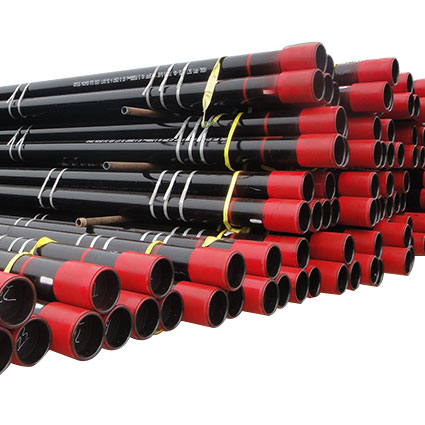
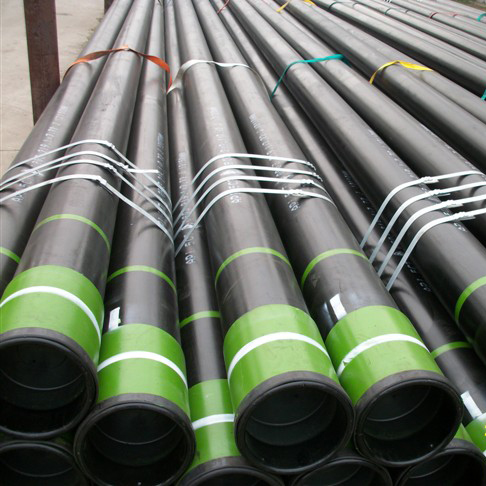
عرض توضيحي لمختلف الطرق المضادة للتآكل في أغلفة الزيت
اختيار أفضل حل مضاد للتآكل لغلاف الزيت
في مجال التنقيب عن النفط واستخراجه، تعتبر متانة وطول عمر غلاف النفط من الاعتبارات القصوى. يتطلب غلاف الزيت، الذي يتعرض لظروف بيئية قاسية والتعرض للمواد الكيميائية، حلولًا قوية مضادة للتآكل لضمان السلامة الهيكلية والسلامة التشغيلية. يتضمن اختيار طرق مقاومة التآكل لأغلفة النفط تقييمًا دقيقًا يعتمد على العوامل البيئية والمتطلبات التشغيلية والاعتبارات الاقتصادية.
يمكن أن يؤدي التآكل في أغلفة النفط إلى تحديات تشغيلية كبيرة ومخاطر تتعلق بالسلامة. يمكن أن يؤدي ذلك إلى تعريض السلامة الهيكلية للغلاف للخطر، مما قد يؤدي إلى حدوث تسربات وأعطال ووقت توقف مكلف. لذلك، يعد اختيار الحل المناسب المضاد للتآكل أمرًا بالغ الأهمية من المنظورين الفني والاقتصادي.
أحد الاعتبارات الأساسية عند اختيار طريقة مقاومة التآكل هو البيئة التي سيعمل فيها غلاف الزيت. تمثل البيئات المختلفة مستويات مختلفة من مخاطر التآكل، تتأثر بعوامل مثل درجة الحرارة والرطوبة وتكوين التربة والتعرض للمواد الكيميائية. على سبيل المثال، تواجه منصات الحفر البحرية بيئات بحرية مسببة للتآكل تحتوي على نسبة عالية من الملح، مما يتطلب حماية من التآكل مصممة خصيصًا لمقاومة التآكل الناجم عن المياه المالحة.
يتم استخدام تقنيات مختلفة مضادة للتآكل في الصناعة، ولكل منها مزاياها وملاءمتها اعتمادًا على الظروف المحددة. . توفر أنظمة الطلاء، مثل الطلاءات الإيبوكسي، حاجزًا ماديًا ضد العوامل المسببة للتآكل وتكون فعالة في البيئات المتوسطة التآكل. يتم تطبيق هذه الطلاءات من خلال عمليات مثل الرش أو الغمس، مما يضمن تغطية موحدة والتصاق بسطح الغلاف.
في البيئات الأكثر عدوانية، حيث تكون معدلات التآكل أعلى، توفر أنظمة الحماية الكاثودية (CP) نهجًا استباقيًا. تشتمل أنظمة CP على أنودات مضحية أو أنظمة تيار متأثرة لحماية الغلاف عن طريق توجيه التآكل بعيدًا عن السطح المعدني. تعتبر هذه الطريقة فعالة بشكل خاص في البيئات ذات مستويات عالية من الرطوبة أو التعرض للمواد الكيميائية، حيث قد لا تكفي الحواجز المادية وحدها.
علاوة على ذلك، يجب أن تتوافق متطلبات طول العمر والصيانة للحلول المضادة للتآكل مع التوقعات التشغيلية. قد تتطلب بعض الطلاءات فحصًا وصيانة دورية لضمان استمرار الفعالية، بينما تحتاج أنظمة CP إلى المراقبة والاستبدال العرضي للأنودات المضحية. تؤثر عوامل مثل سهولة التطبيق، والمتانة، وتأثيرات التكلفة طويلة المدى على عملية صنع القرار.
بخلاف الاعتبارات البيئية والفنية، تلعب العوامل الاقتصادية دورًا محوريًا في اختيار الحلول المضادة للتآكل. تساهم التكلفة الأولية للتركيب، ونفقات الصيانة على مدار دورة حياة الغلاف، والوفورات التشغيلية المحتملة بسبب إطالة عمر الغلاف، في الجدوى الاقتصادية لطرق الحماية من التآكل المختلفة. يساعد التحليل الشامل للتكلفة والعائد في تحديد الحل الأكثر فعالية من حيث التكلفة دون المساس بالأداء أو السلامة.
في الختام، يتضمن اختيار الحل المضاد للتآكل لغلاف الزيت تقييمًا دقيقًا للظروف البيئية والمتطلبات الفنية والاعتبارات الاقتصادية. . تقدم الصناعة مجموعة من الأساليب، بدءًا من الطلاءات الواقية وحتى أنظمة الحماية الكاثودية، كل منها مصمم خصيصًا لمواجهة تحديات التآكل المحددة. يضمن التقييم الدقيق المبني على هذه العوامل أن يحافظ غلاف الزيت على سلامته وموثوقيته طوال عمره التشغيلي، مما يقلل من المخاطر ويزيد من الكفاءة. ومن خلال إعطاء الأولوية للحماية الفعالة من التآكل، تلتزم شركات النفط بمعايير السلامة، وتحسن وقت التشغيل التشغيلي، وتحمي استثماراتها في التنقيب عن النفط وإنتاجه.
Choosing the Best Anti-Corrosion Solution for Oil Casing
In the realm of oil drilling and extraction, the durability and longevity of oil casing are paramount considerations. Oil casing, subjected to harsh environmental conditions and chemical exposure, requires robust anti-corrosion solutions to ensure structural integrity and operational safety. The choice of anti-corrosion methods for oil casing involves meticulous evaluation based on environmental factors, operational demands, and economic considerations.
Corrosion in oil casing can lead to significant operational challenges and safety risks. It can compromise the structural integrity of the casing, potentially leading to leaks, failures, and costly downtime. Therefore, selecting the appropriate anti-corrosion solution is crucial from both technical and economic perspectives.
 One of the primary considerations in choosing an anti-corrosion method is the environment in which the oil casing will operate. Different environments present varying levels of corrosion risk, influenced by factors such as temperature, humidity, soil composition, and chemical exposure. For instance, offshore drilling platforms face corrosive marine environments with high salt content, demanding corrosion protection tailored to resist saltwater-induced corrosion.
Various anti-corrosion techniques are employed in the industry, each with its advantages and suitability depending on the specific conditions. Coating systems, such as epoxy coatings, provide a physical barrier against corrosive agents and are effective in moderately corrosive environments. These coatings are applied through processes like spraying or dipping, ensuring uniform coverage and adherence to the casing surface.
In more aggressive environments, where corrosion rates are higher, cathodic protection (CP) systems offer a proactive approach. CP systems involve sacrificial anodes or impressed current systems to protect the casing by directing corrosion away from the metal surface. This method is particularly effective in environments with high levels of moisture or chemical exposure, where physical barriers alone may not suffice.
Furthermore, the longevity and Maintenance requirements of anti-corrosion solutions must align with operational expectations. Some coatings may require periodic inspection and maintenance to ensure contiNued effectiveness, while CP systems need monitoring and occasional replacement of sacrificial anodes. Factors such as ease of application, durability, and long-term cost implications influence the decision-making process.
Beyond environmental and technical considerations, economic factors play a pivotal role in selecting anti-corrosion solutions. The initial cost of installation, maintenance expenses over the casing’s lifecycle, and potential operational savings due to extended casing life all contribute to the economic viability of different corrosion protection methods. A comprehensive cost-benefit analysis helps in determining the most cost-effective solution without compromising performance or safety.
In conclusion, the choice of anti-corrosion solution for oil casing involves a nuanced evaluation of environmental conditions, technical requirements, and economic considerations. The industry offers a range of methods, from protective coatings to cathodic protection systems, each tailored to specific corrosion challenges. Rigorous assessment based on these factors ensures that oil casing maintains its integrity and reliability throughout its operational life, minimizing risks and maximizing efficiency. By prioritizing effective corrosion protection, oil Companies uphold safety standards, optimize operational uptime, and safeguard their investments in oil exploration and production.