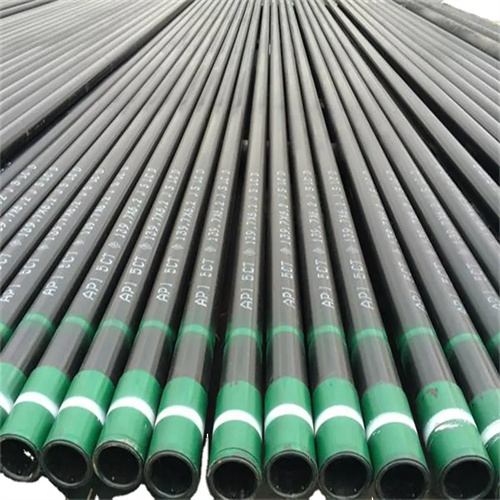
نظرة عامة على مواصفات أنابيب الغلاف والأنابيب API 5ct l80
API 5CT L80 مكونات أساسية في صناعة النفط والغاز، وهي مصممة خصيصًا لتحمل الظروف الصعبة التي تتم مواجهتها أثناء عمليات الحفر والإنتاج. أنشأ معهد البترول الأمريكي (API) مواصفات API 5CT لتوحيد متطلبات التصنيع والجودة للغلاف وأنابيب الأنابيب، مما يضمن موثوقيتها وأدائها في التطبيقات المختلفة. درجة L80، على وجه الخصوص، معروفة بقوتها المحسنة ومقاومتها للتآكل، مما يجعلها مناسبة للاستخدام في بيئات الخدمة الحمضية حيث يوجد كبريتيد الهيدروجين (H2S).
تشمل مواصفات L80 مجموعة من الخواص الميكانيكية التي تعتبر بالغة الأهمية لأداء أنابيب التغليف والأنابيب. وتشمل هذه الخصائص قوة الخضوع، وقوة الشد، والاستطالة، والتي تعتبر حيوية لضمان قدرة الأنابيب على تحمل الضغوط المفروضة أثناء الحفر والإنتاج. على وجه التحديد، تظهر أنابيب L80 عادةً قوة إنتاج لا تقل عن 80000 رطل لكل بوصة مربعة، مما يوفر الدعم اللازم للحفاظ على سلامة البئر في ظل ظروف الضغط العالي. بالإضافة إلى ذلك، تم تصميم قوة الشد لأنابيب L80 لضمان قدرتها على تحمل القوى المبذولة أثناء التركيب والتشغيل دون فشل.
 ميزات التصميم الرئيسية وتحليل المخطط لأنابيب API 5CT L80
مصنع بيع أنابيب تبريد الزيت السلس Gmw 16171 عالية الجودة
إحدى ميزات التصميم الأساسية لأنابيب API 5CT L80 هي خصائصها الميكانيكية المحسنة، والتي تشمل قوة الخضوع، وقوة الشد، والاستطالة. تتراوح قوة الخضوع لأنابيب L80 عادة من 80.000 رطل لكل بوصة مربعة إلى 95.000 رطل لكل بوصة مربعة، مما يوفر المقاومة اللازمة للتشوه تحت الحمل. هذه الخاصية مهمة بشكل خاص في تطبيقات الضغط العالي حيث تكون سلامة الغلاف والأنابيب أمرًا بالغ الأهمية. بالإضافة إلى ذلك، تضمن قوة الشد لأنابيب L80 قدرتها على تحمل القوى المبذولة أثناء عمليات الحفر والإنتاج، بينما تسمح خاصية الاستطالة بدرجة معينة من المرونة، مما يقلل من خطر الفشل بسبب تركيزات الإجهاد.
جانب مهم آخر من جوانب الأنابيب L80 تصميم أنابيب API 5CT L80 هو مقاومتها للتآكل. غالبًا ما يكون الفولاذ المستخدم في أنابيب L80 مخلوطًا بعناصر مثل الكروم والموليبدينوم، مما يعزز قدرته على مقاومة التآكل الناتج عن البيئات الحامضة. وهذا أمر بالغ الأهمية، حيث أن وجود كبريتيد الهيدروجين وثاني أكسيد الكربون في بعض التكوينات يمكن أن يؤدي إلى تشقق إجهاد الكبريتيد وأشكال أخرى من التآكل التي تؤثر على السلامة الهيكلية للأنابيب. تتضمن المخططات الخاصة بأنابيب L80 عادةً مواصفات التركيب الكيميائي للفولاذ، مما يضمن التزام الشركات المصنعة بالمعايير اللازمة لتحقيق المستوى المطلوب من مقاومة التآكل.
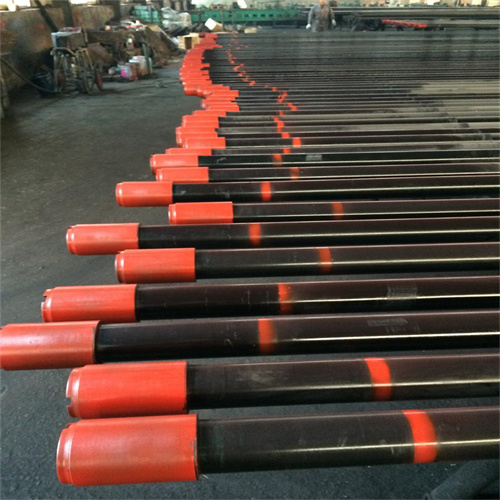
بالإضافة إلى الخواص الميكانيكية ومقاومة التآكل، فإن تصميم API 5CT L80 تتضمن الأنابيب أيضًا اعتبارات خاصة بالخيوط والاقتران. تم تصميم الخيوط الموجودة على أطراف الأنابيب لتوفير اتصال آمن بين أقسام الغلاف أو الأنابيب، وهو أمر ضروري للحفاظ على سلامة الضغط في جميع أنحاء حفرة البئر. توضح المخططات بالتفصيل أنواع وأبعاد الخيوط المحددة، مما يضمن التوافق مع أنظمة التوصيل المختلفة. يعد هذا الاهتمام بالتفاصيل في مرحلة التصميم أمرًا حيويًا، حيث يمكن أن يؤدي الخيوط غير الصحيحة إلى تسربات ومشكلات تشغيلية أخرى.
علاوة على ذلك، تخضع عملية تصنيع أنابيب API 5CT L80 لإجراءات صارمة لمراقبة الجودة. وتحدد المخططات إجراءات الاختبار المطلوبة، بما في ذلك طرق الاختبار غير المدمرة مثل الاختبار بالموجات فوق الصوتية وفحص الجسيمات المغناطيسية. تم تصميم هذه الاختبارات لتحديد أي عيوب أو تناقضات في المادة قد تؤثر على الأداء. من خلال الالتزام بمعايير الجودة الصارمة هذه، يمكن للمصنعين التأكد من أن الأنابيب تلبي المواصفات اللازمة للسلامة والموثوقية. مقاومة التآكل ومواصفات الخيوط ومراقبة الجودة في صناعة النفط والغاز. تعمل هذه العناصر معًا لإنشاء منتج يمكنه تحمل الظروف القاسية التي تواجهها تطبيقات الآبار العميقة. مع استمرار نمو الطلب على الطاقة، أصبحت أهمية الالتزام بهذه المواصفات أمرًا بالغ الأهمية بشكل متزايد، مما يضمن بقاء البنية التحتية الداعمة لاستخراج المواد الهيدروكربونية قوية وموثوقة.
Factory Selling high Quality Smooth Gmw 16171 Oil Cooler Tubing
One of the primary design features of API 5CT L80 Pipes is their enhanced mechanical properties, which include yield strength, tensile strength, and elongation. The yield strength of L80 pipes typically ranges from 80,000 psi to 95,000 psi, providing the necessary resistance to deformation under load. This characteristic is particularly important in high-pressure applications where the integrity of the Casing and tubing is paramount. Additionally, the tensile strength of L80 pipes ensures that they can withstand the forces exerted during drilling and production operations, while the elongation property allows for some degree of flexibility, reducing the risk of failure due to stress concentrations.
Another significant aspect of the design of API 5CT L80 pipes is their Corrosion resistance. The Steel used in L80 pipes is often alloyed with elements such as chromium and molybdenum, which enhance its ability to resist corrosion from sour environments. This is crucial, as the presence of hydrogen sulfide and carbon dioxide in certain formations can lead to sulfide stress cracking and other forms of corrosion that compromise the structural integrity of the pipes. The blueprints for L80 pipes typically include specifications for the chemical composition of the steel, ensuring that Manufacturers adhere to the necessary standards to achieve the desired level of corrosion resistance.
In addition to mechanical properties and corrosion resistance, the design of API 5CT L80 pipes also incorporates considerations for Threading and Coupling. The threads on the ends of the pipes are designed to provide a secure Connection between sections of casing or Tubing, which is essential for maintaining pressure integrity throughout the wellbore. The blueprints detail the specific thread types and dimensions, ensuring compatibility with various coupling systems. This attention to detail in the design phase is vital, as improper threading can lead to leaks and other operational issues.
Furthermore, the manufacturing process of API 5CT L80 pipes is subject to rigorous quality control measures. The blueprints outline the required testing procedures, including Non-destructive testing methods such as ultrasonic testing and magnetic particle inspection. These tests are designed to identify any defects or inconsistencies in the Material that could affect performance. By adhering to these stringent quality standards, manufacturers can ensure that the pipes meet the necessary specifications for safety and reliability.
In conclusion, the key design features and blueprint analysis of API 5CT L80 casing and Tubing Pipes highlight the importance of mechanical strength, corrosion resistance, threading specifications, and quality control in the Oil and Gas industry. These elements work together to create a product that can withstand the harsh conditions encountered in deep well applications. As the demand for energy contiNues to grow, the significance of adhering to these specifications becomes increasingly critical, ensuring that the infrastructure supporting hydrocarbon extraction remains robust and reliable.