فوائد استخدام الأنابيب الفولاذية غير الملحومة للتغليف في آبار النفط
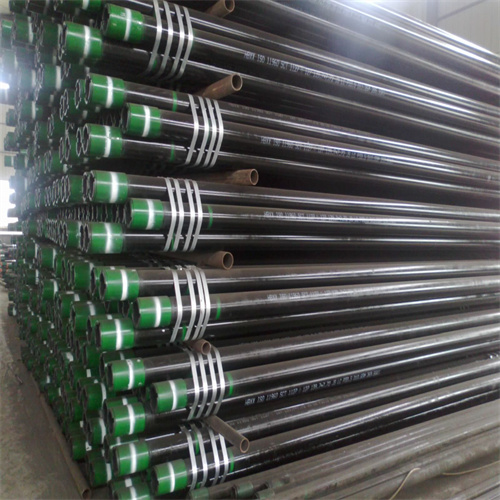
يعد الغلاف مكونًا أساسيًا في حفر آبار النفط، حيث يوفر الدعم الهيكلي والحماية لحفرة البئر. عندما يتعلق الأمر باختيار المادة المناسبة للتغليف، غالبًا ما تكون الأنابيب الفولاذية غير الملحومة هي الخيار المفضل لفوائدها العديدة.
إن إحدى المزايا الرئيسية لاستخدام الأنابيب الفولاذية غير الملحومة للتغليف في آبار النفط هي قوتها ومتانتها الفائقة. الأنابيب الفولاذية غير الملحومة مصنوعة من قطعة واحدة من الفولاذ بدون أي طبقات أو لحامات، مما يزيل نقاط الضعف التي تكون عرضة للفشل. يسمح هذا البناء السلس للأنبوب بتحمل الضغط العالي ودرجات الحرارة القصوى، مما يجعله مثاليًا للظروف القاسية الموجودة في آبار النفط.
بالإضافة إلى قوته، يوفر الأنبوب الفولاذي غير الملحوم أيضًا مقاومة ممتازة للتآكل. يمنع السطح الأملس للأنابيب الفولاذية غير الملحومة تراكم الصدأ والمواد الأخرى المسببة للتآكل، مما يطيل عمر الغلاف ويقلل الحاجة إلى الصيانة والإصلاحات المتكررة. تعد مقاومة التآكل أمرًا بالغ الأهمية في آبار النفط، حيث يمكن أن يؤدي التعرض للمواد المسببة للتآكل إلى فشل مبكر للغلاف.
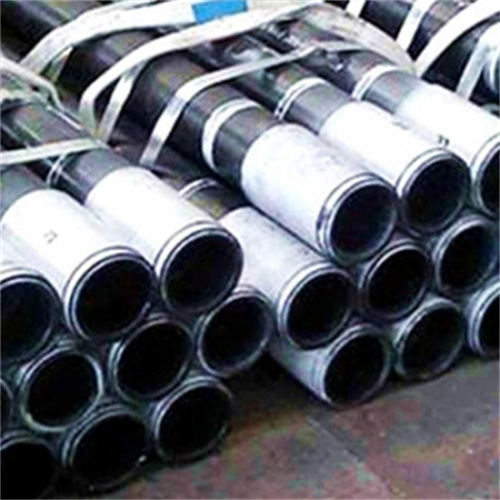
من المزايا الأخرى لاستخدام الأنابيب الفولاذية غير الملحومة للتغليف في آبار النفط هو توحيدها واتساقها. يتم تصنيع الأنابيب الفولاذية غير الملحومة وفقًا لمواصفات دقيقة، مما يضمن أن كل قطعة تلبي نفس المعايير العالية للجودة والأداء. يسمح هذا التوحيد بالتوافق المحكم بين أقسام الغلاف، مما يؤدي إلى إنشاء ختم آمن يمنع التسربات ويضمن سلامة حفرة البئر.
كيفية تركيب وصيانة غلاف خطوط الأنابيب بشكل صحيح في عمليات آبار النفط
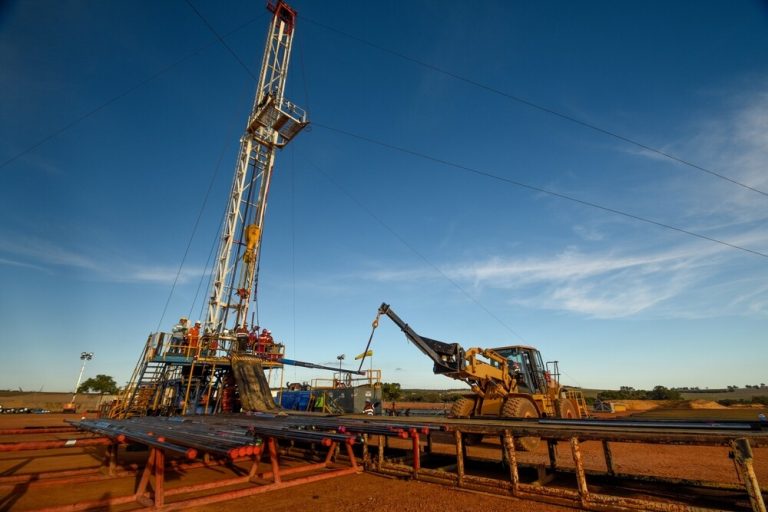
يخدم الغلاف عدة وظائف مهمة في عمليات آبار النفط. إنه يوفر الدعم الهيكلي لخط الأنابيب، ويمنعه من الانهيار تحت وطأة ثقل التربة أو الصخور المحيطة. يحمي الغلاف أيضًا خط الأنابيب من العناصر الخارجية مثل التآكل والتآكل والأضرار الناجمة عن الصدمات. بالإضافة إلى ذلك، يساعد الغلاف في الحفاظ على سلامة حفرة البئر عن طريق منع دخول الماء أو الغاز أو الملوثات الأخرى.
هناك عدة أنواع من مواد التغليف المتاحة لعمليات آبار النفط، مع كون الأنابيب الفولاذية غير الملحومة واحدة من أكثر الأنواع استخدامًا. . يُفضل استخدام الأنابيب الفولاذية غير الملحومة نظرًا لقوتها العالية ومتانتها ومقاومتها للتآكل. كما أنه سهل التثبيت ويتمتع بعمر خدمة طويل، مما يجعله خيارًا فعالاً من حيث التكلفة لتغليف خطوط الأنابيب.
عند تركيب غلاف خطوط الأنابيب، من المهم اتباع أفضل الممارسات لضمان المحاذاة والدعم المناسبين. يجب تركيب الغلاف بمنحدر طفيف للأسفل للسماح بالتصريف ومنع تراكم الماء أو الحطام. يجب أيضًا تثبيته بشكل آمن على رأس البئر وإغلاقه بشكل صحيح لمنع التسربات. يجب إجراء عمليات التفتيش بشكل دوري للتحقق من وجود علامات التآكل أو التآكل أو التلف. يجب معالجة أي مشكلات على الفور لمنع المزيد من التدهور والفشل المحتمل للغلاف.
في الختام، يلعب غلاف خط الأنابيب دورًا حاسمًا في عمليات آبار النفط، حيث يوفر الدعم الهيكلي والحماية لنظام خطوط الأنابيب. تعتبر الأنابيب الفولاذية غير الملحومة خيارًا شائعًا لمواد التغليف نظرًا لقوتها ومتانتها ومقاومتها للتآكل. يعد التثبيت والصيانة الصحيحة لغلاف خط الأنابيب أمرًا ضروريًا لضمان سلامة وطول عمر نظام خطوط الأنابيب. ومن خلال اتباع أفضل الممارسات وإجراء عمليات التفتيش المنتظمة، يمكن للمشغلين المساعدة في منع الإصلاحات المكلفة ووقت التوقف عن العمل، مما يضمن التشغيل الآمن والفعال لعمليات آبار النفط الخاصة بهم.
Pipeline Casing is a critical component in Oil well operations, providing protection and support for the pipeline as it traverses through various terrains and environments. Proper installation and Maintenance of pipeline casing are essential to ensure the integrity and longevity of the pipeline system. In this article, we will discuss the importance of casing in Oil Well operations, the types of casing Materials available, and best practices for installing and maintaining pipeline casing.
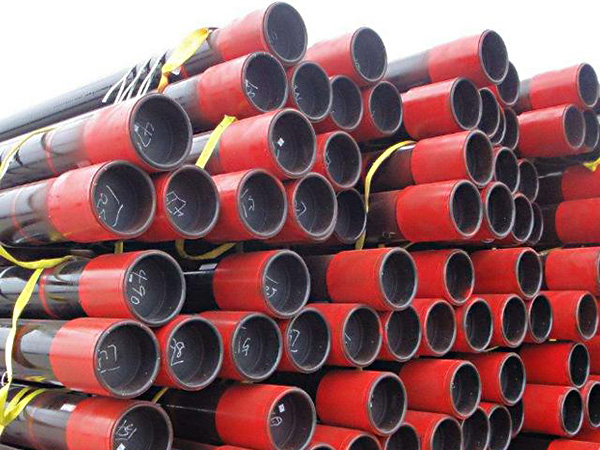 Casing serves several important functions in oil well operations. It provides structural support to the pipeline, preventing it from collapsing under the Weight of the surrounding soil or rock. Casing also protects the pipeline from external elements such as corrosion, abrasion, and impact damage. Additionally, casing helps to maintain the integrity of the wellbore by preventing the ingress of water, Gas, or other contaminants.
There are several types of casing materials available for oil well operations, with Seamless Steel Pipe being one of the most commonly used. Seamless Steel Pipe is preferred for its high strength, durability, and resistance to corrosion. It is also easy to install and has a long service life, making it a cost-effective choice for pipeline casing.
When installing pipeline casing, it is important to follow best practices to ensure proper alignment and support. The casing should be installed with a slight downward slope to allow for drainage and prevent the accumulation of water or debris. It should also be securely anchored to the wellhead and properly Sealed to prevent leaks.
Oil Well downhole Mill Tool Casing Whipstock Window Milling ConeRegular maintenance of pipeline casing is essential to ensure its contiNued performance and longevity. Inspections should be conducted periodically to check for signs of corrosion, wear, or damage. Any issues should be addressed promptly to prevent further deterioration and potential failure of the casing.
In conclusion, pipeline casing plays a crucial role in oil well operations, providing structural support and protection for the pipeline system. Seamless steel pipe is a popular choice for casing material due to its strength, durability, and resistance to corrosion. Proper installation and maintenance of pipeline casing are essential to ensure the integrity and longevity of the pipeline system. By following best practices and conducting regular inspections, operators can help prevent costly Repairs and downtime, ensuring the safe and efficient operation of their oil well operations.