الطرق الفعالة لاكتشاف تسربات الغلاف مبكرًا
التقنيات المتقدمة لمنع تسرب الغلاف
دراسات حالة للمعالجة الناجحة لتسرب الغلاف
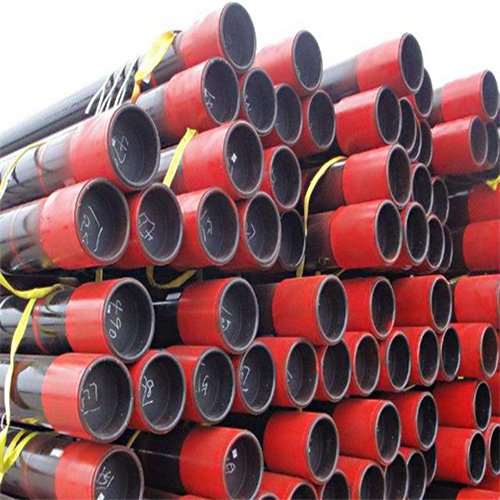
واجه مشاكل تسرب الغلاف باستخدام غلاف الزيت هذا.
في عالم استخراج النفط المعقد، يعد الحفاظ على سلامة أنظمة الغلاف أمرًا بالغ الأهمية. يمكن أن يشكل تسرب الغلاف، على الرغم من ندرته، مخاطر تشغيلية وبيئية كبيرة. تتطلب معالجة مثل هذه التحديات استراتيجيات علاجية دقيقة لا تحل المشكلة فحسب، بل تمنع أيضًا حدوثها في المستقبل. تتعمق هذه المقالة في دراسات حالة بارزة حيث نجحت الأساليب المبتكرة في التخفيف من تسربات الغلاف، وتعرض حلولاً فعالة تضمن الاستمرارية التشغيلية والإشراف البيئي.
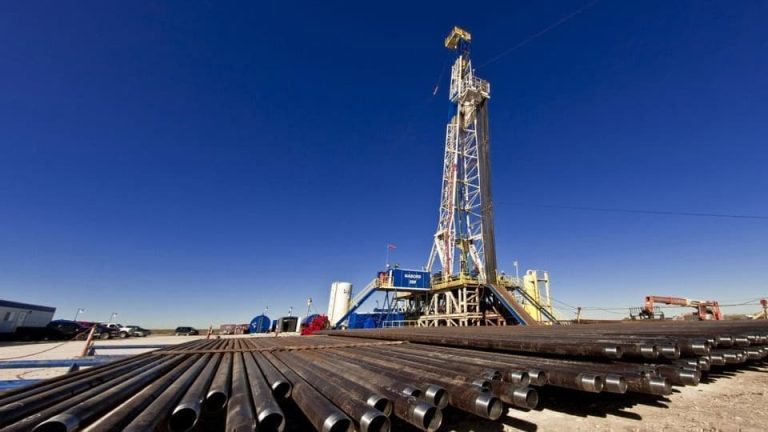
API 5ct l80 9Cr Casing أفضل المصانع الصينية نشأت دراسة حالة جديرة بالملاحظة من عملية حفر في المياه العميقة في خليج المكسيك. هنا، تم التعرف على تسرب بالغ الأهمية أثناء الفحص الروتيني، مما يعرض جداول الإنتاج والسلامة البيئية للخطر. استخدم المشغل بسرعة نهجًا متعدد الأوجه، بدءًا من التشخيص المتقدم لتحديد موقع التسرب ومداه بدقة. باستخدام تقنيات التصوير المتطورة والقياسات الصوتية، قاموا برسم خريطة دقيقة لحالة الغلاف، وتحديد نقاط الفشل بدقة.
من خلال فهم واضح للمشكلة، اختار المهندسون تقنية معالجة جديدة تتضمن مركب راتنجات الإيبوكسي المتخصص. تم حقن هذا المركب، المصمم خصيصًا لبيئات الضغط العالي، في الغلاف تحت ظروف خاضعة للرقابة. وقد سمحت خصائصه الكيميائية الفريدة بالارتباط بسلاسة مع مادة الغلاف، مما يشكل ختمًا متينًا يتحمل الظروف القاسية للعمليات في المياه العميقة. أكدت اختبارات الضغط بعد المعالجة سلامة الإصلاح، واستعادة الثقة في الاستقرار الهيكلي للغلاف.
تتكشف دراسة حالة أخرى مقنعة في حقول النفط في الشرق الأوسط، حيث هددت سلسلة من التسريبات في الغلاف بتعطيل الإنتاج في عملية حفر حيوية. موقع. وفي هذه الحالة، اعتمد المشغل نهجًا استباقيًا، حيث قام بتنفيذ نظام شامل لإدارة السلامة يتضمن عمليات فحص منتظمة وصيانة وقائية. من خلال مجموعة من المسوحات الكهرومغناطيسية وتقنيات مراقبة حفرة البئر، حددوا نقاط الضعف المحتملة في نظام الغلاف قبل أن تظهر التسريبات.
عند الكشف عن علامات التدهور المبكرة في أغلفة معينة، قام المهندسون بسرعة بنشر غلاف مصنوع من سبيكة مقاومة للتآكل كإجراء وقائي . تم تركيب مادة الغلاف المتخصصة هذه، والمعروفة بمرونتها ضد البيئات المسببة للتآكل، بشكل استراتيجي في الأقسام المعرضة للخطر والتي تم تحديدها من خلال التحليلات التنبؤية. لم يؤدي هذا التدخل الوقائي إلى تجنب التسريبات المحتملة فحسب، بل أدى أيضًا إلى إطالة العمر التشغيلي لنظام الغلاف، مما أدى إلى تحسين كفاءة الإنتاج وتقليل وقت التوقف عن العمل.
تؤكد دراسات الحالة هذه على الدور الحاسم للصيانة الاستباقية وتقنيات المعالجة المبتكرة في الحفاظ على سلامة الغلاف. سواء أكان معالجة التسريبات غير المتوقعة في بيئات المياه العميقة أو ترقية الأغلفة بشكل استباقي في البيئات المسببة للتآكل، أثبت المشغلون فعالية الحلول المصممة خصيصًا في تخفيف المخاطر وضمان العمليات المستدامة. من خلال الاستفادة من التشخيصات المتقدمة والمواد المتخصصة والتخطيط الدقيق، تسلط قصص النجاح هذه الضوء على أفضل الممارسات التي يمكن لأصحاب المصلحة في الصناعة محاكاتها لتعزيز الموثوقية التشغيلية والامتثال البيئي.
في الختام، تتطلب إدارة تسرب الغلاف في استخراج النفط اتباع نهج استباقي مستنير التقنيات المتقدمة والتخطيط الاستراتيجي. توضح دراسات الحالة التي تمت مناقشتها كيف يمكن للمشغلين معالجة تحديات سلامة الغلاف بشكل فعال من خلال استراتيجيات المعالجة المبتكرة. ومن خلال إعطاء الأولوية للكشف المبكر والتشخيص الدقيق ونشر المواد القوية، لا يقوم المشغلون بتخفيف المخاطر التشغيلية فحسب، بل يدعمون أيضًا المسؤوليات البيئية. تؤكد هذه الأفكار على التزام الصناعة بالتحسين المستمر والمرونة في مواجهة التحديات المعقدة، مما يضمن بقاء استخراج النفط مستدامًا وآمنًا للأجيال القادمة.Beyond Material and technological advancements, stringent regulatory frameworks and industry standards play a pivotal role in mitigating casing Leakage risks. Compliance with these standards ensures that casing designs, installation practices, and operational procedures meet rigorous criteria for safety and environmental protection. By adhering to regulatory guidelines, operators uphold high standards of stewardship and accountability in their exploration and production activities.
The integration of these advanced technologies and practices signifies a paradigm shift towards sustainable and resilient Oil production. It underscores a commitment to minimizing environmental footprint while optimizing operational efficiency. As the industry contiNues to evolve, ongoing research and development efforts promise further innovations in casing design, materials science, and leak prevention strategies.
In conclusion, the quest to counteract casing leakage woes is driven by continuous innovation and collaboration across the Oil and Gas sector. By embracing advanced technologies for casing leak prevention, stakeholders can effectively mitigate risks, enhance operational reliability, and uphold environmental stewardship. As these technologies evolve, they promise to redefine the standards of excellence in oil well integrity management, setting new benchmarks for safety, efficiency, and sustainability in the global energy landscape.
Case Studies of Successful Casing Leak Remediation
Counteract casing leakage woes with this Oil Casing..
In the intricate realm of oil extraction, maintaining the integrity of casing systems is paramount. Casing leakage, although infrequent, can pose significant operational and environmental risks. Addressing such challenges requires precise remediation strategies that not only resolve the issue but also prevent future occurrences. This article delves into notable case studies where innovative approaches have successfully mitigated casing leaks, showcasing effective solutions that ensure operational continuity and environmental stewardship.
API 5CT L80 9Cr CASING Best chinese FactoriesOne noteworthy case study originates from a deepwater drilling operation in the Gulf of Mexico. Here, a critical casing leak was identified during routine inspection, jeopardizing both production schedules and environmental safety. The operator swiftly employed a multi-faceted approach, beginning with advanced diagnostics to pinpoint the leak’s exact location and extent. Utilizing cutting-edge imaging technologies and acoustic measurements, they accurately mapped the casing’s condition, identifying the precise points of failure.
With a clear understanding of the problem, engineers opted for a novel remediation technique involving a specialized epoxy resin compound. This compound, tailored for high-pressure environments, was injected into the casing under controlled conditions. Its unique chemical properties allowed it to seamlessly bond with the casing material, forming a durable Seal that withstood the harsh conditions of deepwater operations. Post-treatment pressure tests confirmed the integrity of the Repair, restoring confidence in the casing’s structural stability.
Another compelling case study unfolds in the oil fields of the Middle East, where a series of casing leaks threatened to disrupt production in a vital drilling site. In this instance, the operator adopted a proactive approach, implementing a comprehensive integrity management system that included regular inspections and preemptive Maintenance. Through a combination of electromagnetic surveys and wellbore monitoring technologies, they identified potential weak points in the casing system before leaks could manifest.
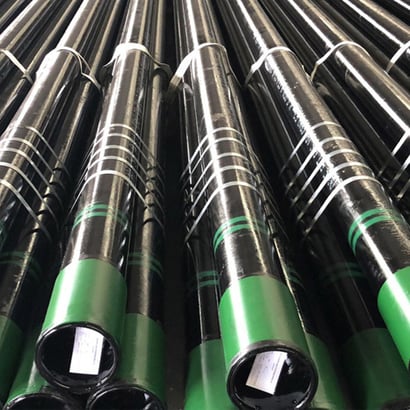
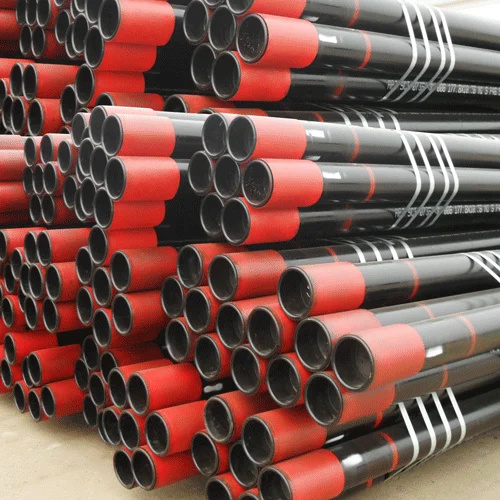
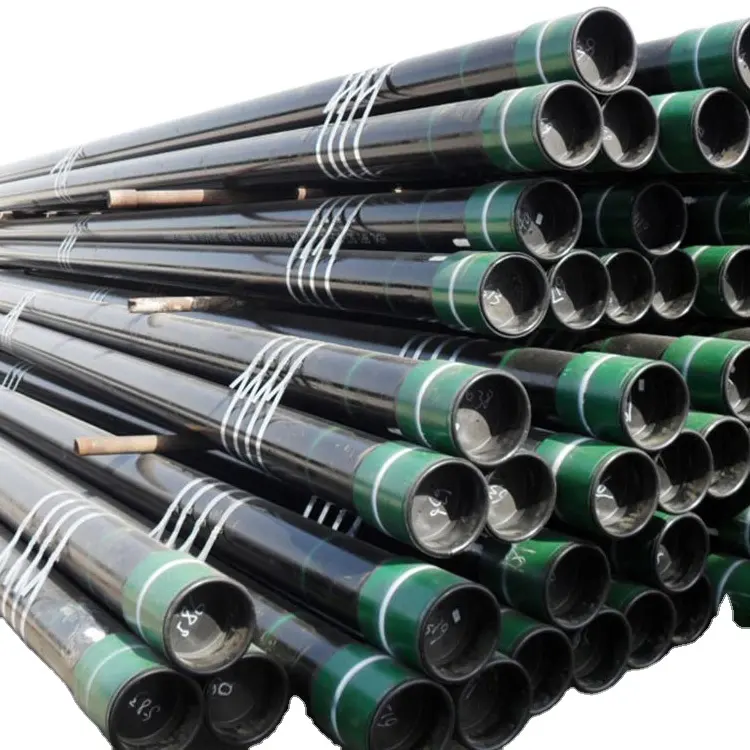
Upon detecting early signs of degradation in certain casings, engineers swiftly deployed a corrosion-resistant alloy casing as a preventive measure. This specialized casing material, known for its resilience against corrosive environments, was strategically installed in vulnerable sections identified by predictive analytics. This preemptive intervention not only averted potential leaks but also extended the operational lifespan of the casing system, optimizing production efficiency and minimizing downtime.
These case studies underscore the critical role of proactive maintenance and innovative remediation techniques in safeguarding casing integrity. Whether addressing unforeseen leaks in deepwater environments or proactively upgrading casings in corrosive settings, operators have demonstrated the efficacy of tailored solutions in mitigating risks and ensuring sustainable operations. By leveraging advanced diagnostics, specialized materials, and meticulous planning, these success stories highlight best practices that industry stakeholders can emulate to enhance operational reliability and environmental compliance.
In conclusion, the management of casing leakage in oil extraction demands a proactive approach informed by advanced technologies and strategic planning. The case studies discussed exemplify how operators can effectively address casing integrity challenges through innovative remediation strategies. By prioritizing early detection, precise diagnostics, and the deployment of robust materials, operators not only mitigate operational risks but also uphold environmental responsibilities. These insights underscore the industry’s commitment to continuous improvement and resilience in the face of complex challenges, ensuring that oil extraction remains both sustainable and secure for future generations.