الكشف عن مستقبل الاستكشاف البحري: أغلفة النفط فائقة القوة والمقاومة للتآكل الناتجة عن الحفر في أعماق البحار
العجائب الهندسية: اكتشافات أعماق البحار وأثرها على استدامة صناعة النفط
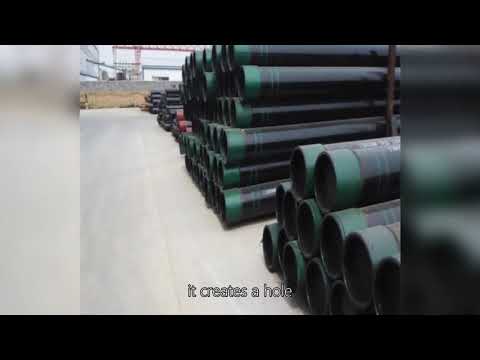 لطالما كان الحفر في أعماق البحار في طليعة العجائب التكنولوجية، مما دفع حدود الهندسة لاستخراج الموارد من أعماق محيطاتنا. كشفت التطورات الحديثة في هذا المجال عن اكتشاف رائد: مواد تغليف الزيت فائقة القوة والمقاومة للتآكل. لا تعد هذه الابتكارات بإحداث ثورة في ممارسات الحفر في أعماق البحار فحسب، بل أيضًا بتعزيز الاستدامة في صناعة النفط بشكل كبير.
في البيئة القاسية والمسببة للتآكل على عمق آلاف الأقدام تحت سطح المحيط، غالبًا ما تكافح المواد التقليدية للحفاظ على السلامة الهيكلية على مدى فترات طويلة. . تشكل الضغوط المستمرة ودرجات الحرارة القصوى والطبيعة المسببة للتآكل لمياه البحر تحديات هائلة للمعدات والمواد المستخدمة في استخراج النفط. لقد سعى المهندسون والعلماء بلا كلل إلى إيجاد حلول يمكنها تحمل هذه الظروف القاسية دون المساس بالسلامة أو الكفاءة.
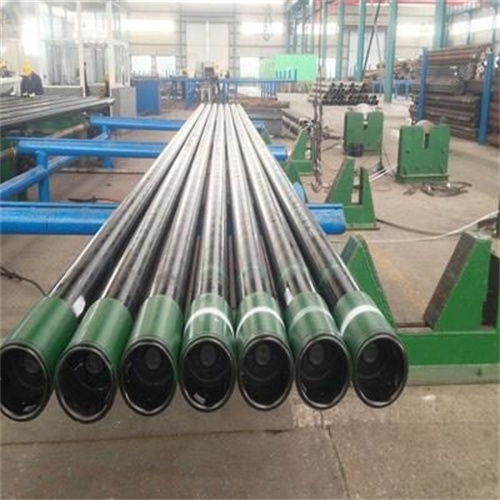
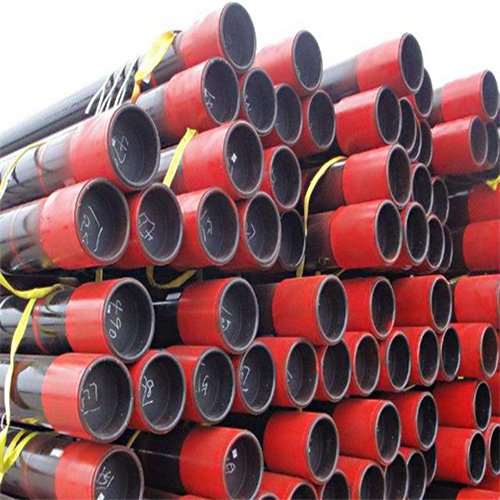
يمثل التقدم في مواد أغلفة الزيت فائقة القوة والمقاومة للتآكل علامة بارزة في هذا السعي لتحقيق المتانة والموثوقية. توفر هذه المواد الجديدة، والتي تشتمل غالبًا على سبائك وطلاءات متقدمة، قوة ومرونة غير مسبوقتين ضد التآكل. وهذا يعني أنهم قادرون على تحمل الظروف الصعبة لعمليات الحفر في أعماق البحار بشكل أكثر فعالية بكثير من الأجيال السابقة من المواد.
وتمتد الآثار المترتبة على هذا الاكتشاف إلى ما هو أبعد من مجرد التقدم التكنولوجي. تُترجم المتانة المحسنة ومقاومة التآكل مباشرةً إلى تحسين الكفاءة التشغيلية وتقليل التأثير البيئي. من خلال إطالة عمر معدات الحفر والبنية التحتية، تقلل هذه المواد من الحاجة إلى عمليات الاستبدال والإصلاح المتكررة، وبالتالي خفض تكاليف التشغيل الإجمالية وتقليل البصمة البيئية المرتبطة باستخراج النفط.
علاوة على ذلك، فإن اعتماد مثل هذه المواد المتقدمة يتوافق مع الصناعة الأوسع. الجهود المبذولة نحو الاستدامة. ومن خلال تعزيز طول عمر عمليات الحفر، يتم استهلاك موارد أقل في أنشطة الصيانة والاستبدال. يساهم هذا في اتباع نهج أكثر استدامة لاستخراج النفط، ومعالجة المخاوف بشأن استنزاف الموارد والأثر البيئي المرتبط بأنشطة الحفر البحرية.
من وجهة نظر عملية، يمثل إدخال مواد أغلفة النفط فائقة القوة والمقاومة للتآكل تغييرًا جذريًا لعمليات الحفر في أعماق البحار في جميع أنحاء العالم. يمكن للمهندسين الآن تصميم ونشر المعدات التي يمكنها تحمل أقسى الظروف تحت الماء بثقة، مما يضمن عمليات استخراج نفط أكثر أمانًا وموثوقية. تعد هذه الموثوقية أمرًا بالغ الأهمية ليس فقط من أجل الكفاءة التشغيلية ولكن أيضًا من أجل تخفيف المخاطر التي يتعرض لها الموظفون والبيئة.
وقد رافق تطوير ونشر هذه المواد عمليات اختبار وتحقق صارمة لضمان أدائها وسلامتها في ظل ظروف العالم الحقيقي. يؤكد هذا النهج الدقيق التزام الصناعة بالتمسك بأعلى معايير السلامة التشغيلية والإشراف البيئي.
وبالنظر إلى المستقبل، يستمر البحث والتطوير المستمر في علوم المواد في تحسين هذه التقنيات وتحسينها. قد تنتج التكرارات المستقبلية مواد أقوى وأخف وزنًا وأكثر فعالية من حيث التكلفة، مما يزيد من تعزيز استدامة وكفاءة عمليات الحفر في أعماق البحار.
في الختام، يمثل اكتشاف مواد تغليف النفط فائقة القوة والمقاومة للتآكل أهمية كبيرة قفزة إلى الأمام في صناعة النفط، وخاصة في مجال الحفر في أعماق البحار. لا تعد هذه المواد بتعزيز الموثوقية والكفاءة التشغيلية فحسب، بل تساهم أيضًا في تحقيق أهداف الاستدامة الأوسع من خلال تقليل التأثير البيئي واستهلاك الموارد. مع استمرار تطور التقدم التكنولوجي، تستعد الصناعة لمواجهة تحديات استخراج النفط البحري بمزيد من المرونة والمسؤولية، مما يمهد الطريق لمستقبل طاقة أكثر استدامة.
As with any technological advancement, challenges remain. Scaling up production to meet global demand while maintaining quality standards will require contiNued innovation and investment. Regulatory frameworks will also need to adapt to ensure that the benefits of these advancements are realized without compromising safety or environmental stewardship.
API 5ct R95 Casing ManufacturerIn conclusion, the unveiling of ultra-strong corrosion-resistant Oil Casings from deep-sea drilling represents a significant leap forward for the offshore Oil and Gas industry. Beyond its immediate benefits of durability and environmental safety, this innovation holds the potential to reshape how we approach energy extraction in the 21st century. By pushing the boundaries of what is possible in Materials science and engineering, we are paving the way for a more sustainable and efficient future in offshore exploration.
Engineering Marvels: Deep-Sea Discoveries and Their Impact on Oil Industry Sustainability
Deep-sea drilling has long been at the forefront of technological marvels, pushing the boundaries of engineering to extract resources from the depths of our oceans. Recent advancements in this field have unveiled a groundbreaking discovery: ultra-strong, corrosion-resistant Oil casing materials. These innovations promise not only to revolutionize deep-sea drilling practices but also to significantly enhance sustainability in the oil industry.
In the harsh and corrosive environment thousands of feet beneath the ocean’s surface, traditional materials often struggle to maintain structural integrity over extended periods. The relentless pressures, extreme temperatures, and corrosive nature of seawater pose formidable challenges to equipment and materials used in oil extraction. Engineers and scientists have tirelessly sought solutions that can withstand these harsh conditions without compromising safety or efficiency.
The breakthrough in ultra-strong, corrosion-resistant oil casing materials marks a significant milestone in this quest for durability and reliability. These new materials, often incorporating advanced alloys and coatings, offer unprecedented strength and resilience against corrosion. This means they can endure the demanding conditions of deep-sea drilling operations far more effectively than previous generations of materials.
The implications of this discovery extend beyond mere technological advancement. Enhanced durability and Corrosion resistance translate directly into improved operational efficiency and reduced environmental impact. By prolonging the lifespan of drilling equipment and infrastructure, these materials minimize the need for frequent replacements and Repairs, thereby lowering overall operational costs and reducing the environmental footprint associated with oil extraction.
Moreover, the adoption of such advanced materials aligns with broader industry efforts towards sustainability. By enhancing the longevity of drilling operations, fewer resources are consumed in Maintenance and replacement activities. This contributes to a more sustainable approach to oil extraction, addressing concerns about resource depletion and environmental impact associated with offshore drilling activities.
From a practical standpoint, the introduction of ultra-strong, corrosion-resistant oil casing materials represents a game-changer for deep-sea drilling operations worldwide. Engineers can now design and deploy equipment that can withstand the harshest underwater conditions with confidence, ensuring safer and more reliable oil extraction processes. This reliability is crucial not only for operational efficiency but also for mitigating risks to personnel and the environment.
The development and deployment of these materials have been accompanied by rigorous testing and validation processes to ensure their performance and safety under real-world conditions. This meticulous approach underscores the commitment of the industry to uphold the highest standards of operational integrity and environmental stewardship.
Looking ahead, ongoing research and development in materials science continue to refine and optimize these technologies. Future iterations may yield even stronger, lighter, and more cost-effective materials, further enhancing the sustainability and efficiency of deep-sea drilling operations.
In conclusion, the discovery of ultra-strong, corrosion-resistant oil casing materials represents a significant leap forward for the oil industry, particularly in the realm of deep-sea drilling. These materials not only promise to enhance operational reliability and efficiency but also contribute to broader sustainability goals by reducing environmental impact and resource consumption. As technological advancements continue to evolve, the industry is poised to navigate the challenges of offshore oil extraction with greater resilience and responsibility, paving the way for a more sustainable energy future.