الفروق الرئيسية بين غلاف النفط وأنبوب الحفر
فهم الوظائف المتنوعة لتغليف الزيت وأنابيب الحفر
في عالم التنقيب عن النفط الشاسع والمعقد، يلعب كل مكون دورًا حاسمًا في نجاح العملية وكفاءتها. عنصران أساسيان في هذه العملية هما غلاف الزيت وأنبوب الحفر. في حين أن كلاهما جزء لا يتجزأ من عملية الحفر، إلا أنهما يخدمان وظائف متميزة تعتبر حيوية لفهم أي شخص مشارك في الصناعة.
قد يبدو غلاف النفط وأنبوب الحفر متشابهين للوهلة الأولى، لكنهما يخدمان أغراضًا مختلفة في عملية الحفر. يتم استخدام غلاف الزيت في المقام الأول لتبطين البئر وحماية البئر من الانهيار. فهو يوفر السلامة الهيكلية للبئر، ويمنع الجدران من الانهيار ويضمن الاستخراج السلس للنفط أو الغاز. في المقابل، يتم استخدام أنبوب الحفر لنقل سائل الحفر وعزم الدوران من السطح إلى لقمة الحفر في قاع البئر.
يكمن أحد الاختلافات الرئيسية بين غلاف النفط وأنبوب الحفر في بنائها وتصميمها. عادة ما يكون غلاف النفط أكثر سمكًا وأثقل من أنبوب الحفر ليتحمل الضغط والوزن الهائلين للتكوينات الصخرية المحيطة. كما أنه ملولب من كلا الطرفين لتسهيل عملية الاتصال والتثبيت. من ناحية أخرى، تم تصميم أنبوب الحفر ليكون أكثر مرونة وخفة الوزن، مما يسمح بسهولة المناورة والتدوير أثناء عمليات الحفر. غالبًا ما يكون مصنوعًا من سبائك فولاذية عالية القوة لتحمل قسوة عملية الحفر.
هناك تمييز حاسم آخر بين غلاف النفط وأنبوب الحفر وهو وضعهما داخل حفرة البئر. يتم تركيب غلاف النفط أولاً، لأنه بمثابة الدعم الهيكلي الأساسي للبئر. يتم إنزالها في البئر وتثبيتها في مكانها لإنشاء أساس ثابت لعمليات الحفر اللاحقة. من ناحية أخرى، يتم استخدام أنبوب الحفر أثناء عملية الحفر نفسها. وهو متصل بجهاز الحفر على السطح ويمتد إلى أسفل في حفرة البئر، مما يسمح لقمة الحفر باختراق سطح الأرض واستخراج النفط أو الغاز.
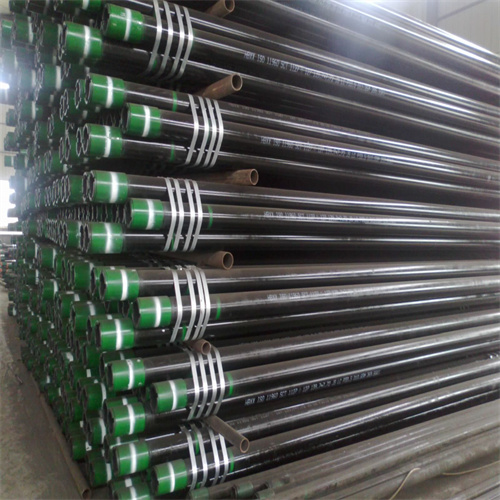
أنبوب النفط من الخزان إلى المرجل
على الرغم من الاختلافات بينهما، يعمل غلاف النفط وأنبوب الحفر جنباً إلى جنب لضمان نجاح عملية الحفر. بمجرد تركيب غلاف النفط واستقرار حفرة البئر، يتم استخدام أنبوب الحفر لتعزيز عملية الحفر، مما يسمح لقمة الحفر بالوصول إلى أعماق أكبر والوصول إلى خزانات النفط أو الغاز تحت الأرض. مع تقدم الحفر، يمكن إضافة أقسام إضافية من غلاف النفط لزيادة تقوية البئر وحمايته من العوامل البيئية.
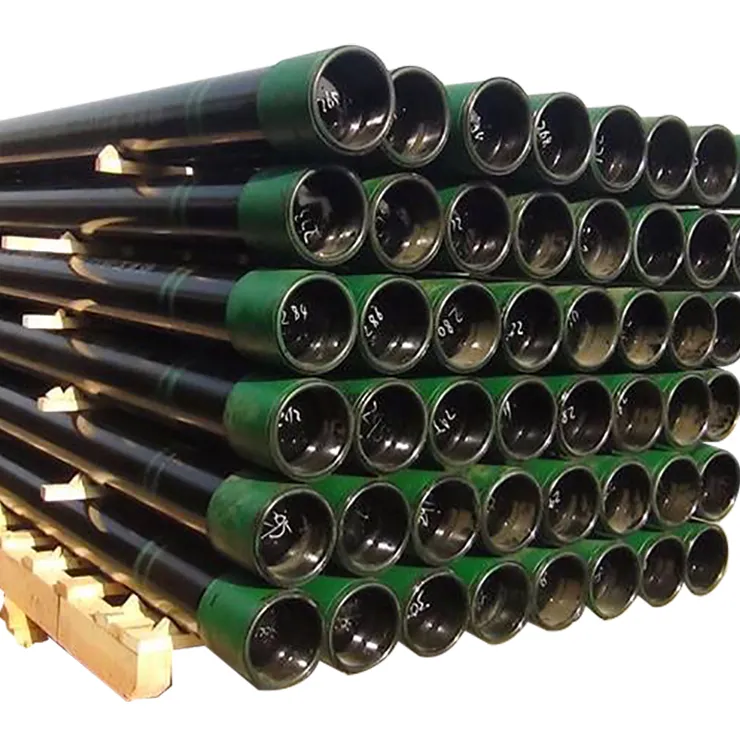
القرد يتسلق أنبوب النفط
باختصار، يعد غلاف النفط وأنبوب الحفر مكونين أساسيين في عملية التنقيب عن النفط، كل منهما خدمة وظائف متميزة تعتبر حيوية لنجاح العملية. يوفر غلاف الزيت الدعم الهيكلي ويمنع انهيار حفرة البئر، بينما ينقل أنبوب الحفر سائل الحفر وعزم الدوران إلى لقمة الحفر أثناء عمليات الحفر. يعد فهم الاختلافات بين هذين المكونين أمرًا بالغ الأهمية لأي شخص مشارك في صناعة النفط والغاز، لأنه يمكّنه من اتخاذ قرارات مستنيرة وضمان كفاءة وسلامة عملية الحفر.
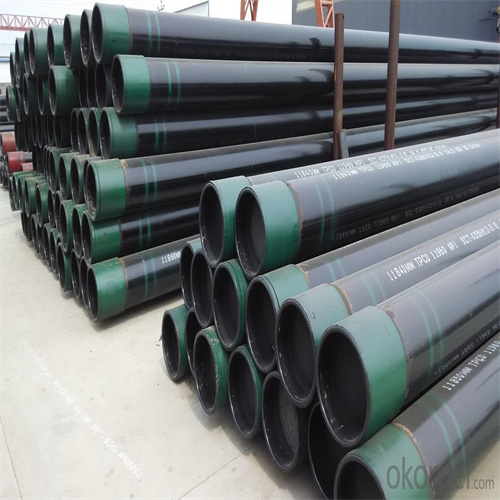 Furthermore, the Lengths of Oil Casing and drill Pipe differ significantly due to their respective functions in drilling operations. Oil casing segments are typically longer and heavier, spanning hundreds of feet and requiring specialized equipment for handling and installation. In contrast, drill pipe sections are shorter and more manageable, allowing for easier handling and Connection during drilling operations.
In summary, while oil casing and drill pipe may share certain similarities as tubular components used in drilling operations, their distinct roles, Construction Materials, connection mechanisms, and lengths set them apart. Oil casing serves as a structural reinforcement for the wellbore, while drill pipe facilitates the transmission of drilling fluid and torque to the drill bit. Understanding these key distinctions is essential for optimizing drilling efficiency, safety, and well integrity in Oil and Gas exploration and production operations.
Understanding the Varied Functions of Oil Casing and Drill Pipe
In the vast and intricate world of oil drilling, each component plays a crucial role in the success and efficiency of the operation. Two essential elements of this process are oil casing and drill pipe. While both are integral to the drilling process, they serve distinct functions that are vital to understand for anyone involved in the industry.
Oil casing and drill pipe may seem similar at first glance, but they serve different purposes in the drilling process. Oil casing is primarily used to line the borehole and protect the wellbore from collapsing. It provides structural integrity to the well, preventing the walls from caving in and ensuring the Smooth extraction of oil or gas. In contrast, drill pipe is used to transmit drilling fluid and torque from the surface to the drill bit at the bottom of the well.
One of the key Differences between oil casing and drill pipe lies in their construction and design. Oil casing is typically thicker and heavier than drill pipe to withstand the immense pressure and Weight of the surrounding rock formations. It is also Threaded at both ends to facilitate the connection and installation process. On the other hand, drill pipe is designed to be more flexible and lightweight, allowing it to be easily maneuvered and rotated during drilling operations. It is often made of high-strength Steel alloys to withstand the rigors of the drilling process.
Another crucial distinction between oil casing and drill pipe is their placement within the wellbore. Oil casing is installed first, as it serves as the primary structural support for the well. It is lowered into the borehole and cemented in place to create a stable foundation for subsequent drilling operations. Drill pipe, on the other hand, is used during the drilling process itself. It is connected to the Drilling Rig at the surface and extends down into the wellbore, allowing the drill bit to penetrate the earth’s surface and extract oil or gas.
oil pipe from tank to Boiler
Despite their differences, oil casing and drill pipe work in tandem to ensure the success of the drilling operation. Once the oil casing is installed and the wellbore is stabilized, drill pipe is used to advance the drilling process, allowing the drill bit to reach greater depths and access underground reservoirs of oil or gas. As drilling progresses, additional sections of oil casing may be added to further strengthen the well and protect it from environmental factors.
monkey is climbing an oil pipe
In summary, oil casing and drill pipe are essential components of the oil drilling process, each serving distinct functions that are vital to the success of the operation. Oil casing provides structural support and prevents the collapse of the wellbore, while drill pipe transmits drilling fluid and torque to the drill bit during drilling operations. Understanding the differences between these two components is crucial for anyone involved in the oil and gas industry, as it enables them to make informed decisions and ensure the efficiency and safety of the drilling process.