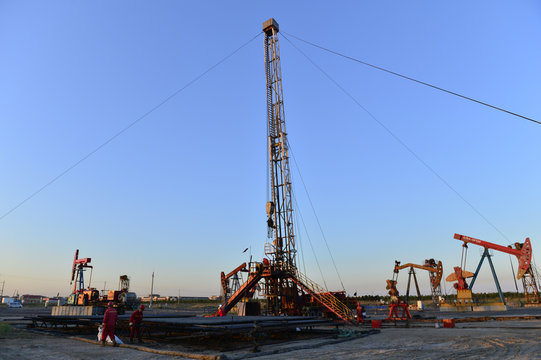
الاختلافات الرئيسية بين الغلاف وأنابيب الحفر في صناعة النفط والغاز
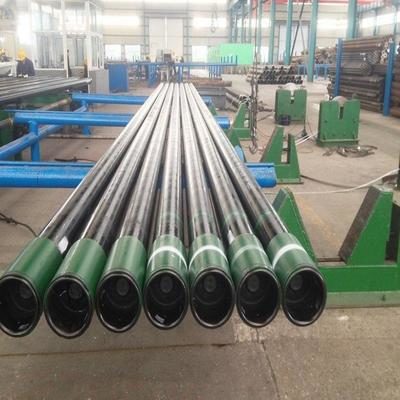
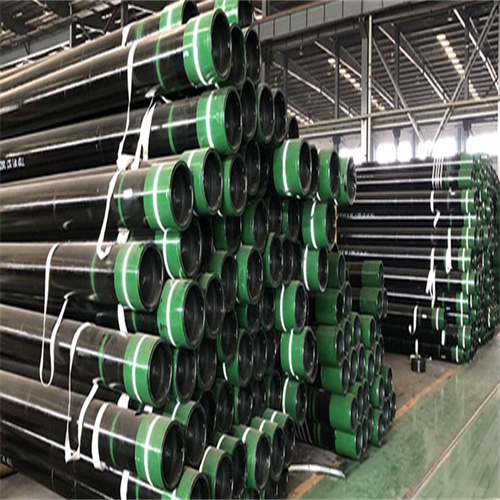
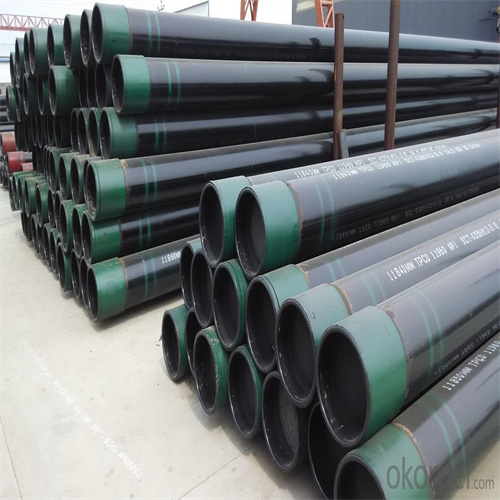
أحد الاختلافات الأساسية بين الغلاف وأنابيب الحفر يكمن في وظائف كل منهما أثناء عملية الحفر. تُستخدم أنابيب الحفر، والمعروفة أيضًا باسم خيوط الحفر، لإنشاء آبار في القشرة الأرضية. هذه الأنابيب مسؤولة عن تدوير لقمة الحفر ونقل القوة اللازمة لاختراق التكوينات الصخرية. في المقابل، يتم استخدام أنابيب التغليف لتبطين البئر بمجرد اكتمال الحفر. توفر أنابيب التغليف الدعم الهيكلي لحفرة البئر وتساعد على منعها من الانهيار.
فيما يتعلق بالبناء، تكون أنابيب الحفر عادةً أطول وأكثر رشاقة من أنابيب التغليف. وهي مصممة لتحمل الضغوط العالية والضغوط التي تواجهها أثناء عمليات الحفر. تصنع أنابيب الحفر من سبائك فولاذية عالية القوة يمكنها تحمل الانحناء والقوى الالتوائية والضغط. وفي المقابل، فإن أنابيب التغليف تكون أكثر سمكًا وأثقل من أنابيب الحفر. لقد تم تصميمها لتحمل وزن التكوينات الصخرية فوق حفرة البئر وتوفير هيكل ثابت للبئر.
أنابيب التغليف، أنابيب التغليف جيدًا، غلاف الأنابيب العليا، غلاف مقابل الأنابيب الحاملة، غلاف أنابيب التيار المتردد، غلاف أنابيب الصلب، الغلاف حجم الأنبوب، سعر غلاف الأنابيب البلاستيكية، غلاف الأنابيب، موردي أنابيب التغليف في الصين، أنبوب تغطية الغلاف، أنبوب حفر الغلاف، أنبوب الناقل، حجم أنبوب التغليف، شفة البطانة، جلبة البطانة، البطانة، ذراع البطانة، محمل البطانة، مخفض البطانة، البطانة أداة، جلبة بولي كلوريد الفينيل، جلبة معنى
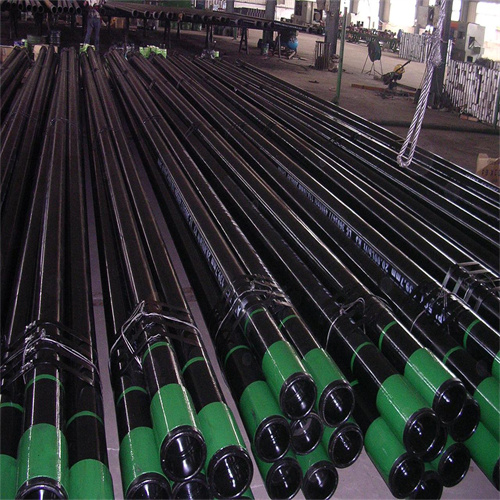
بشكل عام، فإن الاختلافات بين أنابيب التغليف وأنابيب الحفر في صناعة النفط والغاز كبيرة وتلعب دورًا حاسمًا في نجاح عمليات الحفر. من خلال فهم الخصائص والوظائف الفريدة لكل نوع من الأنابيب، يمكن لشركات الحفر ضمان كفاءة وسلامة ونزاهة عمليات الحفر الخاصة بها في البيئة الصعبة لقطاع النفط والغاز.
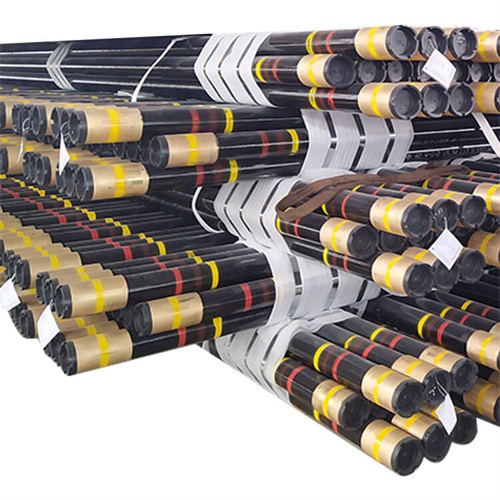
Another key Difference between Casing and Drilling Pipes is their Connections. Drilling Pipes are connected using Threaded connections that allow for quick assembly and disassembly during drilling operations. These connections are designed to be strong and reliable to ensure the integrity of the drill string. In contrast, Casing Pipes are typically connected using welded connections. Welded connections provide a more secure and permanent Seal, ensuring that the casing can withstand the Weight of the overlying rock formations.
When it comes to the placement of casing and drilling pipes in a wellbore, there are distinct differences between the two. Drilling pipes are inserted into the wellbore first and are gradually extended as the drilling progresses deeper into the earth. Casing pipes are inserted into the wellbore after drilling is complete and are cemented in place to provide stability and prevent fluid migration between rock formations.
bushing removal tool,
In terms of cost, drilling pipes are generally more expensive than casing pipes due to their specialized Construction and Materials. Drilling pipes are subjected to high levels of wear and tear during drilling operations, requiring frequent inspection and Maintenance to ensure their contiNued performance. Casing pipes, on the other hand, are designed for long-term use and are less susceptible to damage, making them a more cost-effective option for lining wellbores.
Overall, the differences between casing and drilling pipes in the Oil and Gas industry are significant and play a crucial role in the success of drilling operations. By understanding the unique characteristics and functions of each type of pipe, drilling Companies can ensure the efficiency, safety, and integrity of their drilling operations in the challenging environment of the oil and gas sector.