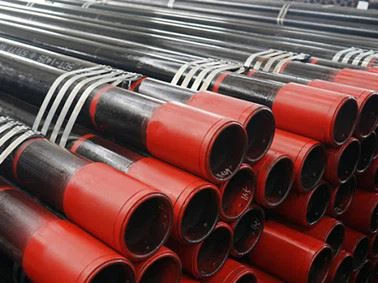
أهم 5 عوامل يجب مراعاتها عند اختيار غلاف الزيت
يعد اختيار غلاف النفط المناسب أمرًا بالغ الأهمية لنجاح وكفاءة عمليات التنقيب عن النفط. سواء كنت مشتركًا في الاستكشاف أو الإنتاج أو التكرير، فإن اختيار الغلاف المناسب يمكن أن يؤثر بشكل كبير على سلامة البئر وسلامته وإنتاجيته بشكل عام. هنا، نتعمق في أهم خمسة عوامل يجب مراعاتها عند اتخاذ هذا القرار الحاسم.
 كيفية تجنب الأخطاء الشائعة في اختيار غلاف الزيت
هناك خطأ سائد آخر وهو عدم الاهتمام الكافي بمقاومة التآكل. تعمل آبار النفط في بيئات قاسية حيث يمكن للعناصر المسببة للتآكل أن تؤدي إلى تحلل مواد التغليف بسرعة. يعد اختيار السبائك أو الطلاءات المقاومة للتآكل أمرًا بالغ الأهمية للتخفيف من هذه المخاطر وضمان طول عمر البئر. علاوة على ذلك، فإن إهمال توافق مواد التغليف مع سوائل الإنتاج المتوقعة يمكن أن يؤدي إلى تسارع التآكل، مما يستلزم جهود إصلاح مكلفة.
تعتبر أبعاد ومواصفات الغلاف من الاعتبارات الحاسمة بنفس القدر. يمكن أن يؤدي الحجم غير المناسب أو سمك الجدار غير المناسب إلى انهيار الغلاف أو تشوهه تحت ضغوط قاع البئر، مما يعرض استقرار البئر والسلامة التشغيلية للخطر. وعلى العكس من ذلك، يمكن أن يؤدي الحجم الزائد إلى تصعيد تكاليف المشروع دون داع. تعد الحسابات الدقيقة والالتزام بمعايير الصناعة أمرًا ضروريًا لتحقيق التوازن الصحيح بين السلامة الهيكلية والكفاءة الاقتصادية.
وبخلاف المواصفات الفنية، لا يمكن التغاضي عن الامتثال التنظيمي. تفرض كل ولاية قضائية متطلبات محددة فيما يتعلق بتصميم الغلاف ومعايير المواد وإجراءات التثبيت لحماية المصالح البيئية ومصالح الصحة العامة. يمكن أن يؤدي عدم الامتثال إلى عقوبات شديدة وإيقاف تشغيل، مما يؤكد أهمية العناية الواجبة الشاملة والالتزام بالأطر التنظيمية.
علاوة على ذلك، فإن تجاهل العوامل اللوجستية مثل لوجستيات النقل والتركيب يمكن أن يؤدي إلى تعطيل الجداول الزمنية للمشروع وتصاعد التكاليف. يجب أن تكون أقسام التغليف متوافقة مع معدات الحفر والإكمال، ويجب التخطيط للتعامل معها وتركيبها بدقة لمنع التأخير وتقليل المخاطر التشغيلية.
في السعي لتحقيق فعالية التكلفة، قد يختار بعض المشغلين مواد أو درجات تغليف أقل تكلفة دون تقييم كامل لآثارها على المدى الطويل. في حين أن التوفير الأولي جذاب، فإن تكلفة دورة حياة الغلاف ذي الجودة الرديئة غالبًا ما تتجاوز الاستثمار الأولي بسبب زيادة نفقات الصيانة والإصلاح والاستبدال. ولذلك، ينبغي للتحليل الشامل للتكلفة والعائد أن يوجه القرارات الرامية إلى تحقيق التوازن بين النفقات الأولية والموثوقية على المدى الطويل.
يعد التواصل والتعاون الفعال بين الفرق متعددة التخصصات أمراً محورياً في تجنب هذه المزالق. يجب على المهندسين والجيولوجيين وعلماء المعادن والموظفين التشغيليين العمل جنبًا إلى جنب لدمج الخبرة الفنية مع الحقائق التشغيلية والمتطلبات التنظيمية. يجب أن تدعم استراتيجيات تقييم المخاطر والتخفيف من آثارها القوية عملية صنع القرار لتوقع التحديات المحتملة ومعالجتها بشكل استباقي.
في الختام، يعد اختيار غلاف النفط قرارًا متعدد الأوجه يتطلب اهتمامًا دقيقًا بالتفاصيل وإدارة شاملة للمخاطر. ومن خلال إعطاء الأولوية لظروف قاع البئر، ومقاومة التآكل، ودقة الأبعاد، والامتثال التنظيمي، والاعتبارات اللوجستية، وتحليل تكلفة دورة الحياة، يمكن لأصحاب المصلحة التخفيف من المخاطر الشائعة وتحسين أداء البئر. يجب أن تكون كل نقطة قرار على طول عملية اختيار الغلاف مبنية على تحليل شامل وتعاون، مما يضمن أن الغلاف المختار يعزز الموثوقية التشغيلية والسلامة والإشراف البيئي.
Another prevalent error is insufficient attention to Corrosion resistance. Oil Wells operate in harsh environments where corrosive elements can r APIdly degrade Casing Materials. Selecting corrosion-resistant alloys or coatings is crucial to mitigating this risk and ensuring the longevity of the well. Furthermore, overlooking the compatibility of casing materials with anticipated production fluids can lead to accelerated corrosion, necessitating costly remediation efforts.
The dimensions and specifications of the casing are equally critical considerations. Improper sizing or inadequate Wall thickness can result in casing collapse or deformation under downhole pressures, jeopardizing well stability and operational safety. Conversely, oversizing can escalate project costs unnecessarily. Precise calculations and adherence to industry standards are imperative to strike the right balance between structural integrity and economic efficiency.
Beyond technical specifications, regulatory compliance cannot be overlooked. Each jurisdiction imposes specific requirements concerning casing design, material standards, and installation procedures to safeguard environmental and public health interests. Non-compliance can lead to severe penalties and operational shutdowns, underscoring the importance of thorough due diligence and adherence to regulatory frameworks.
Moreover, overlooking logistical factors such as transportation and installation logistics can disrupt project timelines and escalate costs. Casing sections must be compatible with drilling and completion equipment, and their handling and installation must be meticulously planned to prevent delays and minimize operational risks.
In the quest for cost-efficiency, some operators may opt for lower-cost casing materials or grades without fully evaluating their long-term implications. While initial savings are appealing, the lifecycle cost of poor-quality casing often surpasses the upfront investment due to increased Maintenance, Repair, and replacement expenses. Therefore, a holistic cost-benefit analysis should guide decisions to strike a balance between upfront expenditures and long-term reliability.
Effective communication and collaboration among multidisciplinary teams are pivotal in avoiding these pitfalls. Engineers, geologists, metallurgists, and operational staff must work in tandem to integrate technical expertise with operational realities and regulatory requirements. Robust risk assessment and mitigation strategies should underpin the decision-making process to anticipate and address potential challenges proactively.
In conclusion, the selection of Oil Casing is a multifaceted decision that demands meticulous attention to detail and comprehensive risk management. By prioritizing downhole conditions, corrosion resistance, dimensional accuracy, regulatory compliance, logistical considerations, and lifecycle cost analysis, stakeholders can mitigate common pitfalls and optimize well performance. Each decision point along the casing selection process should be informed by thorough analysis and collaboration, ensuring that the cHosen casing enhances operational reliability, safety, and environmental stewardship.