تحديد العيوب الشائعة في أنابيب تغليف الزيت أثناء فحص المصنع
أفضل الممارسات لمعالجة العيوب في أنابيب تغليف الزيت التي يتم العثور عليها أثناء فحص المصنع
في الختام، تعد عمليات تفتيش المصانع لأنابيب تغليف النفط ضرورية لضمان جودة وسلامة هذه المكونات الحيوية في صناعة النفط والغاز. عندما يتم تحديد العيوب أثناء عمليات التفتيش، فمن الضروري اتباع أفضل الممارسات لمعالجتها لمنع مخاطر السلامة المحتملة ووقت التوقف عن العمل المكلف. ومن خلال معالجة العيوب بسرعة وفعالية، واتخاذ التدابير الوقائية لتقليل مخاطر العيوب، يمكن للشركات الحفاظ على سلامة وموثوقية أنابيب تغليف النفط الخاصة بها وضمان نجاح عمليات الحفر والإنتاج الخاصة بها.
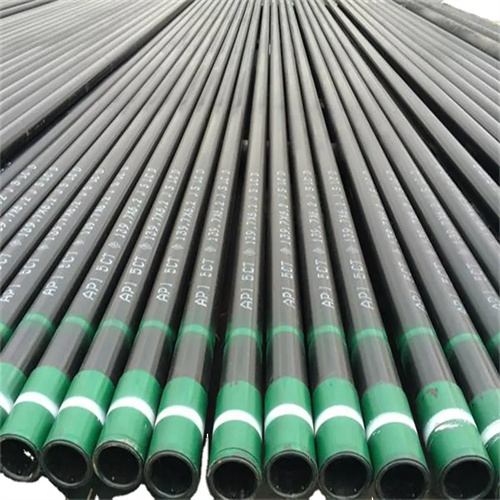
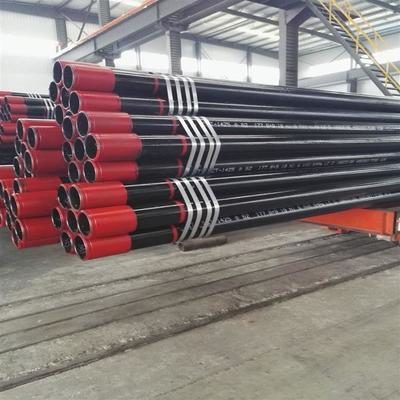
Oil Casing Pipes are a critical component in the Oil and Gas industry, used to protect and support the wellbore during drilling and production operations. These Pipes are subjected to harsh conditions, including high pressure, corrosive fluids, and extreme temperatures. As a result, it is essential to ensure that oil casing pipes are of the highest quality to prevent failures that could lead to costly downtime and environmental damage.
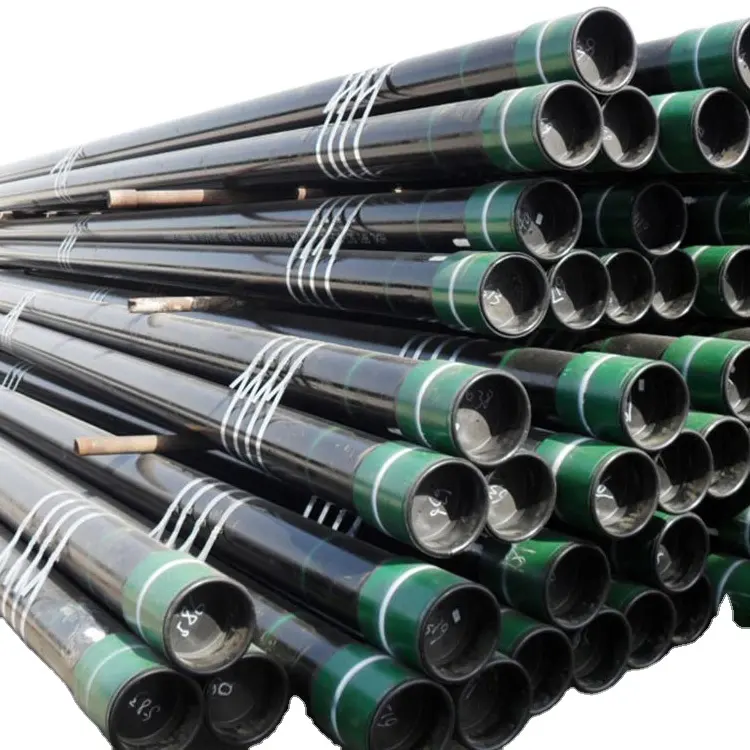
One of the key steps in ensuring the quality of Oil Casing pipes is conducting thorough Factory inspections. During these inspections, defects such as cracks, pits, and corrosion may be identified. It is crucial to address these defects promptly and effectively to prevent them from compromising the integrity of the pipe and causing potential safety hazards.
When defects are found during a factory inspection of oil casing pipes, it is essential to follow best practices for treating them. One common defect that may be identified is surface pits. Pits can weaken the pipe wall and increase the risk of failure. To treat pits, the affected area should be cleaned and inspected to determine the extent of the damage. Depending on the severity of the pits, they may be Repaired using welding or grinding techniques.
Another common defect that may be found during a factory inspection is cracks. Cracks can occur due to manufacturing defects, improper handling, or exposure to corrosive substances. When cracks are identified, it is crucial to assess their size and location to determine the best course of action. Small cracks may be repaired using welding techniques, while larger cracks may require the replacement of the affected section of the pipe.
casing pipe,casing well pipe, casing supreme pipe, casing vs carrier pipe, casing for ac pipe, casing Steel Pipe, casing pipe size, casing pvc pipe Price, casing pipe, casing pipe Suppliers in china, casing capping pipe, casing drill pipe,carrier pipe,casing pipe size,bushing flange,bushing Sleeve,bushing,bushing arm,bushing bearing,bushing reducer,bushing tool,bushing pvc,bushing meaningCorrosion is another defect that may be identified during a factory inspection of oil casing pipes. Corrosion can weaken the pipe wall and increase the risk of leaks and failures. To treat corrosion, the affected area should be cleaned and inspected to determine the extent of the damage. Depending on the severity of the corrosion, it may be necessary to remove the affected section of the pipe and replace it with a new one.
In addition to treating defects found during factory inspections, it is essential to take preventive measures to minimize the risk of defects in oil casing pipes. This includes using high-quality Materials, following proper manufacturing processes, and implementing regular Maintenance and inspection programs. By taking proactive steps to prevent defects, Companies can reduce the likelihood of costly failures and ensure the safety and reliability of their oil casing pipes.
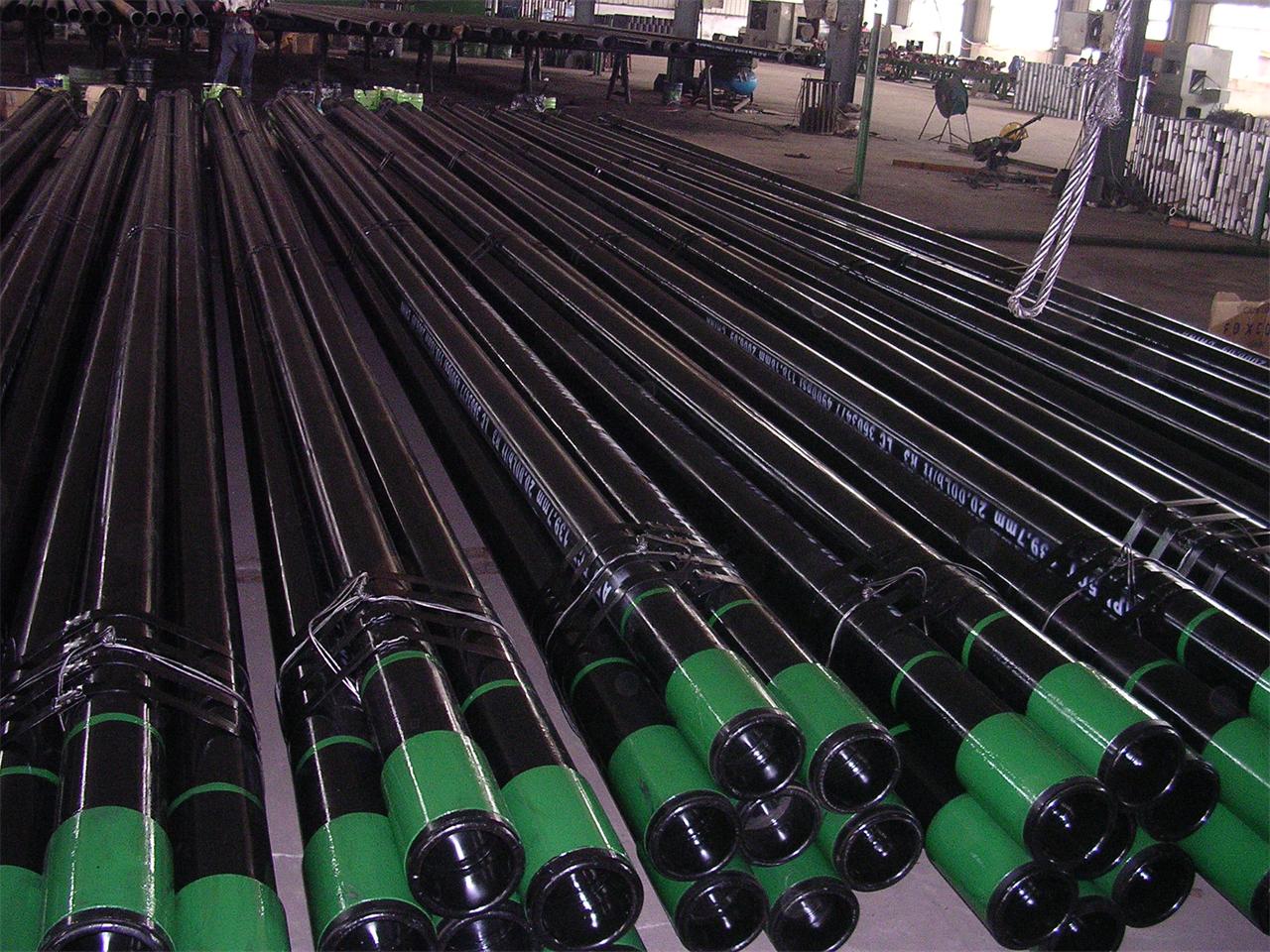
In conclusion, factory inspections of oil casing pipes are essential for ensuring the quality and integrity of these critical components in the oil and gas industry. When defects are identified during inspections, it is crucial to follow best practices for treating them to prevent potential safety hazards and costly downtime. By addressing defects promptly and effectively, and taking preventive measures to minimize the risk of defects, companies can maintain the safety and reliability of their oil casing pipes and ensure the success of their drilling and production operations.