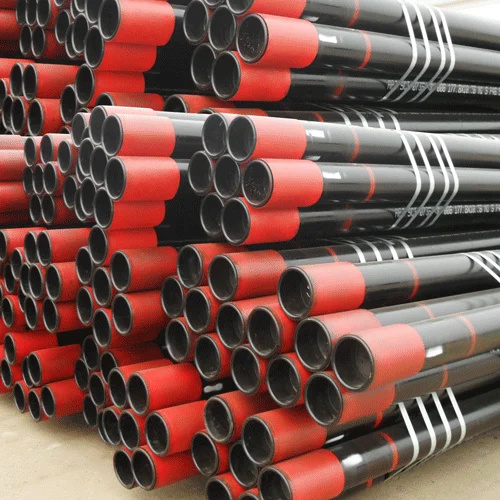
فوائد استخدام الأنابيب النحاسية H62 C27200 C27000 في التطبيقات الصناعية
كيفية اختيار الأنبوب النحاسي المناسب ذو الجدران الرقيقة والقطر الصغير لمشروعك
H62 النحاس، المعروف أيضًا باسم C28000، عبارة عن سبيكة نحاسية عالية القوة تُستخدم عادةً في التطبيقات التي تتطلب قابلية جيدة للتشكيل ومقاومة للتآكل. إنه اختيار ممتاز للأنابيب ذات القطر الصغير ذات الجدران الرقيقة التي تحتاج إلى تحمل الضغوط العالية ودرجات الحرارة. من ناحية أخرى، فإن النحاس C27200 عبارة عن سبيكة نحاسية تحتوي على الرصاص توفر إمكانية تصنيع محسنة ومقاومة للتآكل، مما يجعلها مثالية للتطبيقات التي تتطلب القطع والتشكيل.
النحاس C27000، المعروف أيضًا باسم C27400، عبارة عن سبيكة نحاسية منخفضة الرصاص الذي يشيع استخدامه في تطبيقات السباكة والتكييف بسبب مقاومته الممتازة للتآكل والتوصيل الحراري. إنه خيار فعال من حيث التكلفة للأنابيب ذات القطر الصغير ذات الجدران الرقيقة التي تحتاج إلى تحمل البيئات القاسية ودرجات الحرارة القصوى. عند اختيار الأنبوب النحاسي المناسب لمشروعك، من المهم مراعاة المتطلبات المحددة لتطبيقك واختيار المادة التي تلبي تلك الاحتياجات على أفضل وجه.
بالإضافة إلى تركيب المواد، هناك عامل مهم آخر يجب مراعاته عند اختيار أنبوب نحاسي ذو قطر صغير ذو جدران رقيقة وهو الحجم وسمك الجدار. تتوفر الأنابيب النحاسية في مجموعة واسعة من الأحجام وسمك الجدار، وعادة ما تكون الأنابيب ذات القطر الأصغر ذات جدران أرق. من المهم اختيار حجم الأنبوب وسمك الجدار المناسب لتطبيقك المحدد، مع الأخذ في الاعتبار عوامل مثل الضغط ودرجة الحرارة ومعدل التدفق.
عند اختيار أنبوب نحاسي رقيق الجدران وقطره صغير، من المهم أيضًا للنظر في عملية التصنيع المستخدمة لإنتاج الأنبوب. عادةً ما تُفضل الأنابيب النحاسية غير الملحومة لتطبيقات الضغط العالي، لأنها أقل عرضة للتسرب أو الفشل تحت الضغط. من ناحية أخرى، تعد الأنابيب النحاسية الملحومة أكثر فعالية من حيث التكلفة ومناسبة للتطبيقات التي لا يشكل فيها الضغط العالي مصدر قلق.
بشكل عام، يتطلب اختيار الأنبوب النحاسي المناسب ذي الجدران الرقيقة والقطر الصغير المناسب لمشروعك دراسة متأنية لتركيب المواد والحجم وسمك الجدار وعملية التصنيع. من خلال تخصيص الوقت لتقييم هذه العوامل واختيار الأنبوب الذي يلبي احتياجاتك الخاصة على أفضل وجه، يمكنك ضمان نجاح مشروعك وطول عمر الأنابيب النحاسية.
https://www.youtube.com/embed /f7opnm64rbk
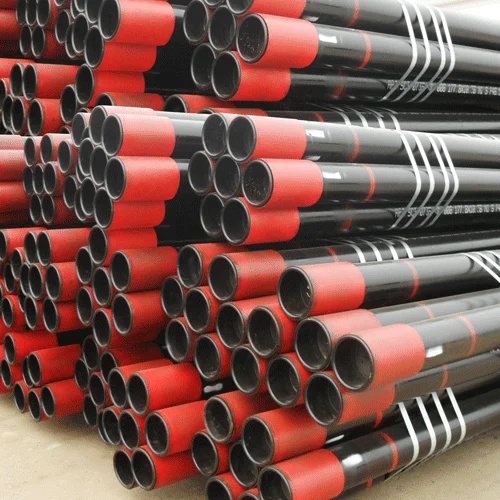
H62 brass, also known as C28000, is a high-strength brass alloy that is commonly used in applications requiring good formability and Corrosion resistance. It is an excellent choice for thin-walled small Diameter tubes that need to withstand high pressures and temperatures. C27200 brass, on the other hand, is a leaded brass alloy that offers improved machinability and wear resistance, making it ideal for applications where cutting and sh APIng are required.
C27000 brass, also known as C27400, is a low-lead brass alloy that is commonly used in plumbing and HVAC applications due to its excellent corrosion resistance and thermal conductivity. It is a cost-effective option for thin-walled small diameter tubes that need to withstand harsh environments and extreme temperatures. When choosing the right brass tube for your project, it is important to consider the specific requirements of your application and select a Material that best meets tHose needs.
In addition to material composition, another important factor to consider when selecting a thin-walled small diameter brass tube is the size and Wall thickness. Brass tubes are available in a wide range of sizes and wall thicknesses, with smaller diameter tubes typically having thinner walls. It is important to choose a tube size and wall thickness that is appropriate for your specific application, taking into account factors such as pressure, temperature, and flow rate.
When selecting a thin-walled small diameter brass tube, it is also important to consider the manufacturing process used to produce the tube. Seamless brass tubes are typically preferred for high-pressure applications, as they are less likely to leak or fail under stress. Welded brass tubes, on the other hand, are more cost-effective and are suitable for applications where high pressure is not a concern.
Overall, choosing the right thin-walled small diameter brass tube for your project requires careful consideration of material composition, size, wall thickness, and manufacturing process. By taking the time to evaluate these factors and select a tube that best meets your specific needs, you can ensure the success of your project and the longevity of your brass Tubing.