مرونة مواد تغليف الزيت في الظروف القاسية
طول عمر وموثوقية غلاف الزيت في درجات الحرارة القصوى
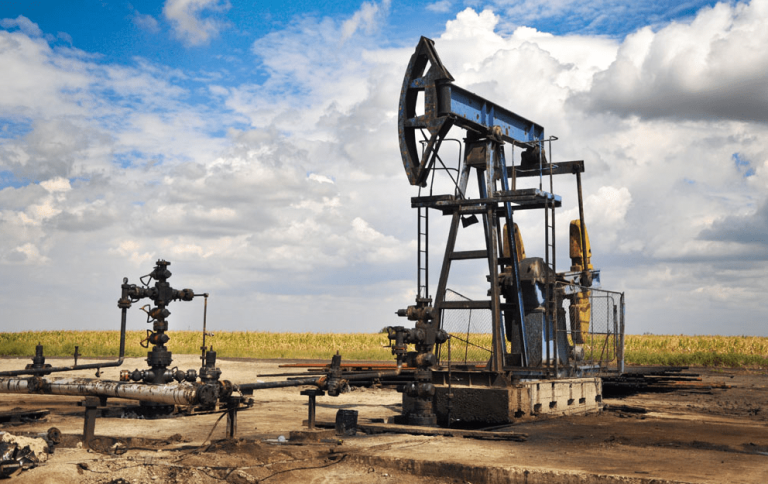
https://youtube.com/watch?v=aviXC9lzU6Eيلعب غلاف النفط دورًا محوريًا في صناعة النفط والغاز، خاصة في تحمل الظروف البيئية القاسية. إحدى الصفات الأساسية التي يبحث عنها المهندسون والمشغلون في غلاف الزيت هي الاعتمادية في ظل درجات الحرارة القصوى. يستكشف هذا المقال كيف يُظهر غلاف النفط موثوقيته وطول عمره في مثل هذه البيئات الصعبة.
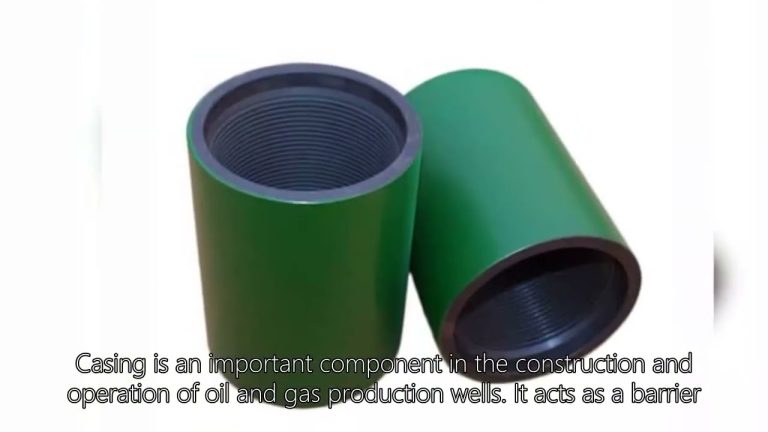
في عالم استخراج النفط القاسي، حيث يمكن أن تتقلب درجات الحرارة بشكل كبير وتكون الظروف في كثير من الأحيان لا ترحم، تعد سلامة غلاف النفط أمرًا بالغ الأهمية. يعمل غلاف الزيت كحاجز وقائي لحفرة البئر، حيث يحميها من الضغوط، والعناصر المسببة للتآكل، والضغوط الحرارية التي يمكن أن تؤثر على سلامتها الهيكلية. يجب أن تظهر المواد المستخدمة في أغلفة النفط قوة ومرونة استثنائيتين للحفاظ على الكفاءة التشغيلية والسلامة.
تُستخدم عادةً سبائك الفولاذ عالية الجودة في تصنيع أغلفة النفط نظرًا لخصائصها الميكانيكية الاستثنائية. تم تصميم هذه السبائك لتحمل ليس فقط المتطلبات المادية للحفر والاستخراج ولكن أيضًا الضغوط الحرارية التي تفرضها درجات الحرارة القصوى. في البيئات التي يمكن أن تتراوح درجات الحرارة فيها من البرد المتجمد إلى الحرارة الشديدة، فإن قدرة غلاف الزيت على الحفاظ على سلامته الهيكلية دون تشوه أو فشل أمر بالغ الأهمية.
يشكل التمدد الحراري والانكماش تحديات كبيرة لغلاف النفط. مع ارتفاع درجات الحرارة وانخفاضها، تتمدد المواد وتنكمش، مما يضع ضغطًا على جدران الغلاف. يمكن أن تؤدي هذه الظاهرة، المعروفة باسم التدوير الحراري، إلى التعب والفشل في نهاية المطاف إذا كانت مادة الغلاف غير قادرة على استيعاب هذه التغييرات. يعالج المهندسون هذا التحدي من خلال الاختيار الدقيق للمواد واعتبارات التصميم التي تهدف إلى تقليل تركيزات الإجهاد وتحسين التوصيل الحراري.
تعتمد الاعتمادية في درجات الحرارة القصوى أيضًا على تصميم وبناء وصلات ووصلات غلاف الزيت. يعد الختم المناسب وتعزيز التوصيلات أمرًا بالغ الأهمية لمنع التسربات والحفاظ على السلامة العامة لحفرة البئر. يتم استخدام تقنيات متخصصة مثل اللحام، والخيوط، ومركبات الختم للتأكد من أن المفاصل تتحمل قسوة التدوير الحراري وفروق الضغط التي تتم مواجهتها أثناء عمليات الحفر والإنتاج.
علاوة على ذلك، يرتبط طول عمر غلاف النفط ارتباطًا وثيقًا بقدرته على المقاومة التآكل في البيئات المسببة للتآكل. يمكن أن تتعرض آبار النفط للمياه المالحة وكبريتيد الهيدروجين وغيرها من المواد المسببة للتآكل التي يمكن أن تؤدي إلى تحلل مواد التغليف غير المحمية بمرور الوقت. يتم تطبيق سبائك وطلاءات مقاومة للتآكل للتخفيف من هذه التأثيرات وإطالة عمر خدمة الغلاف، وبالتالي تعزيز موثوقيته في ظروف التشغيل الصعبة.
بالإضافة إلى اختيار المواد واعتبارات التصميم، تلعب الممارسات التشغيلية دورًا حاسمًا في الحفاظ على موثوقية غلاف النفط في البيئات القاسية. يتم تنفيذ برامج الفحص والصيانة المنتظمة للكشف عن العلامات المبكرة للتآكل أو التآكل أو التلف الميكانيكي الذي قد يضر بسلامة الغلاف. يتم استخدام أدوات التشخيص المتقدمة مثل أجهزة الفحص الكهرومغناطيسي وتقنيات الاختبار بالموجات فوق الصوتية لتقييم حالة جدران التغليف واكتشاف العيوب المحتملة قبل أن تتفاقم إلى أعطال مكلفة.
J55في الختام، فإن موثوقية غلاف الزيت في البيئات القاسية هي شهادة على البراعة الهندسية والتقدم التكنولوجي في علوم المواد والتصميم في صناعة النفط والغاز. من خلال استخدام سبائك عالية الجودة، وممارسات التصميم القوية، واستراتيجيات تخفيف التآكل، وبروتوكولات الصيانة الدؤوبة، يوضح غلاف الزيت قدرته على تحمل قسوة درجات الحرارة القصوى وظروف التشغيل القاسية. مع استمرار الصناعة في دفع حدود الاستكشاف والإنتاج، يظل دور غلاف النفط الذي يمكن الاعتماد عليه لا غنى عنه في ضمان سلامة وكفاءة وطول عمر عمليات استخراج النفط في جميع أنحاء العالم.
Oil Casing plays a pivotal role in the Oil and Gas industry, particularly in withstanding extreme environmental conditions. One of the paramount qualities that engineers and operators seek in oil casing is dependability under extreme temperatures. This article explores how oil casing demonstrates its reliability and longevity in such challenging environments.
In the harsh world of oil extraction, where temperatures can fluctuate dramatically and conditions are often unforgiving, the integrity of oil casing is crucial. Oil casing serves as a protective barrier for the wellbore, safeguarding it against pressures, corrosive elements, and thermal stresses that can compromise its structural integrity. The Materials used in oil casing must exhibit exceptional strength and resilience to maintain operational efficiency and safety.
high–grade Steel alloys are typically employed in the manufacturing of oil casing due to their exceptional mechanical properties. These alloys are designed to withstand not only the physical demands of drilling and extraction but also the thermal stresses imposed by extreme temperatures. In environments where temperatures can range from freezing cold to blistering heat, the ability of oil casing to maintain its structural integrity without deformation or failure is paramount.
Thermal expansion and contraction pose significant challenges to oil casing. As temperatures rise and fall, materials expand and contract, placing stress on the casing walls. This phenomenon, known as thermal cycling, can lead to fatigue and eventual failure if the casing material is not capable of accommodating these changes. Engineers address this challenge through careful selection of materials and design considerations aimed at minimizing stress concentrations and optimizing thermal conductivity.
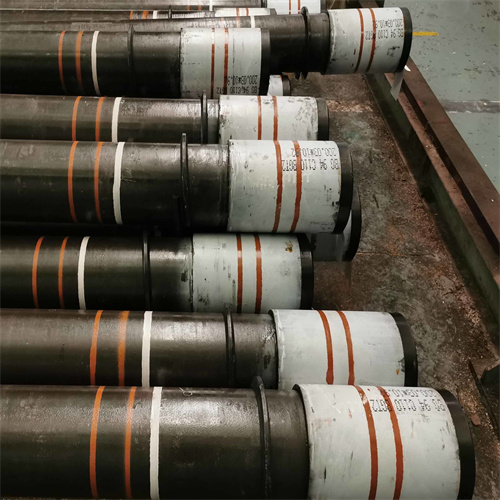
Dependability in extreme temperatures also hinges on the design and Construction of oil casing joints and Connections. Proper Sealing and reinforcement of connections are critical to preventing leaks and maintaining the overall integrity of the wellbore. Specialized techniques such as welding, Threading, and sealing compounds are employed to ensure that joints withstand the rigors of thermal cycling and pressure differentials encountered during drilling and production operations.
Furthermore, the longevity of oil casing is closely tied to its ability to resist corrosion in corrosive environments. Oil Wells can be exposed to saline water, hydrogen sulfide, and other corrosive substances that can degrade unprotected casing materials over time. Corrosion-resistant alloys and coatings are applied to mitigate these effects and extend the service life of the casing, thereby enhancing its dependability in challenging operating conditions.
In addition to material selection and design considerations, operational practices play a crucial role in maintaining the dependability of oil casing in extreme environments. Regular inspection and Maintenance programs are implemented to detect early signs of wear, corrosion, or mechanical damage that could compromise the integrity of the casing. Advanced diagnostic tools such as electromagnetic inspection devices and ultrasonic testing techniques are utilized to assess the condition of casing walls and detect potential defects before they escalate into costly failures.
J55In conclusion, the dependability of oil casing in extreme environments is a testament to the engineering prowess and technological advancements in materials science and design within the oil and gas industry. Through the use of high-grade alloys, robust design practices, corrosion mitigation strategies, and diligent maintenance protocols, oil casing demonstrates its ability to withstand the rigors of extreme temperatures and harsh operating conditions. As the industry contiNues to push the boundaries of exploration and production, the role of dependable oil casing remains indispensable in ensuring the safety, efficiency, and longevity of oil extraction operations worldwide.