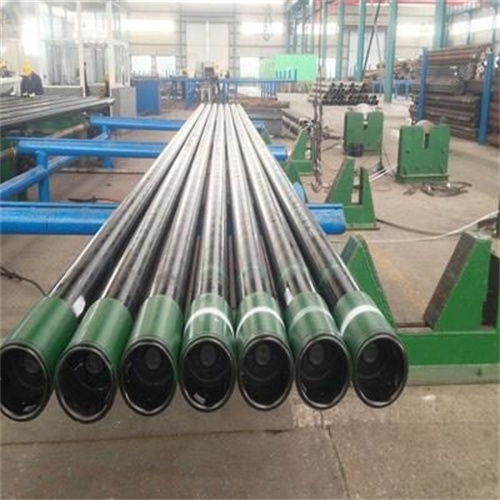
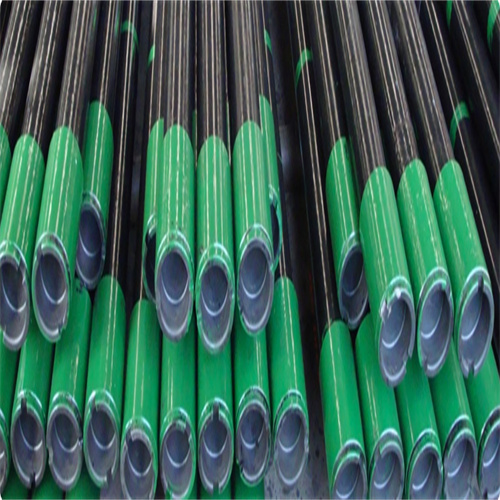
استكشاف فوائد الغلاف الزيتي في البيئات القاسية
في مجال استخراج النفط، حيث يمكن أن تكون الظروف قاسية ومتطلبة، يلعب اختيار المعدات والمواد دورًا حاسمًا في ضمان الكفاءة والسلامة وطول العمر. ومن بين المكونات الأساسية، يبرز غلاف الزيت كعنصر حاسم يجب أن يتحمل البيئات القاسية دون المساس بالسلامة التشغيلية. تتعمق هذه المقالة في الأسباب التي جعلت غلاف النفط يخرج منتصرا في مثل هذه الظروف الصعبة.

أنابيب الإنتاجالميزة الأساسية للصلب في غلاف الزيت تكمن في متانته وقدرته على التكيف. يتم اختيار سبائك الفولاذ المستخدمة في بناء الغلاف على أساس قدرتها على تحمل الضغوط العالية ودرجات الحرارة دون تشوه أو فشل. تعد هذه الإمكانية أمرًا بالغ الأهمية في البيئات التي تمارس فيها التكوينات الجيولوجية ضغطًا هائلاً على جدران الغلاف، مما قد يؤدي إلى أعطال كارثية إذا تم استخدام مواد أقل جودة.
علاوة على ذلك، تضمن مقاومة الفولاذ للتآكل طول عمر غلاف الزيت في البيئات التي توجد فيها عناصر قابلة للتآكل مثل حيث يوجد كبريتيد الهيدروجين (H2S) وثاني أكسيد الكربون (CO2). يمكن لهذه المواد أن تؤدي إلى تحلل المواد الأقل بمرور الوقت، مما يعرض سلامة البئر للخطر ويشكل مخاطر على السلامة. تعمل سبائك الفولاذ، من خلال عمليات السبائك والمعالجة الحرارية الدقيقة، على تخفيف هذه المخاطر، وبالتالي إطالة العمر التشغيلي لآبار النفط حتى في الظروف المسببة للتآكل. ومن خلال الحفاظ على سلامة جدران حفرة البئر، يساعد الغلاف على منع انهيار التكوينات، مما قد يعيق الإنتاج أو حتى يؤدي إلى هجر البئر. كما أن التصميم الدقيق وتركيب الغلاف يسهل أيضًا عمليات الاستخراج الفعالة من خلال تمكين حركة السوائل الخاضعة للتحكم ومنع التلوث بين الطبقات الجيولوجية المختلفة.
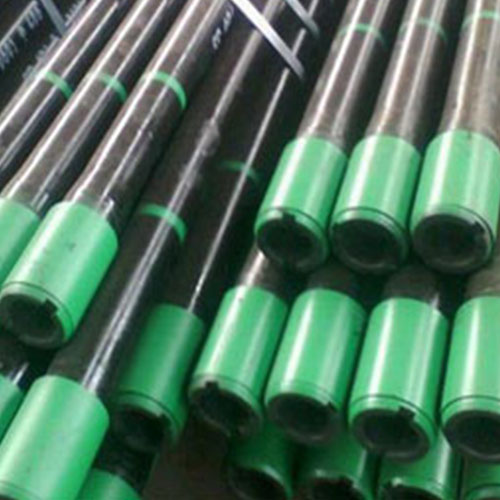
بالإضافة إلى خصائصه الميكانيكية، يتضمن تصميم غلاف الزيت ميزات تعزز الكفاءة التشغيلية والسلامة. تضمن الوصلات الملولبة بين أجزاء الغلاف إحكام الإغلاق الذي يمنع التسربات ويعزز احتواء الضغط. علاوة على ذلك، فإن التقدم في تكنولوجيا التغليف، مثل أدوات مركزية التغليف وتقنيات الأسمنت، يعمل على تحسين أداء البئر من خلال تحسين توزيع الأسمنت وضمان دعم موحد على طول حفرة البئر.
تمتد القدرة على التكيف في غلاف النفط إلى ما هو أبعد من خصائصه الميكانيكية والكيميائية لتشمل الاعتبارات البيئية مثل حسنًا. هناك توجه متزايد نحو الممارسات المستدامة في صناعة النفط والغاز، مما يؤدي إلى ابتكارات في مواد التغليف وعمليات التصنيع التي تهدف إلى الحد من التأثير البيئي. يتضمن ذلك تطوير مواد قابلة لإعادة التدوير وتحسين تقنيات التصنيع التي تقلل من استهلاك الطاقة وتوليد النفايات. صناعة الغاز. ومع استمرار نمو الطلب على الطاقة، تتزايد أيضًا الحاجة إلى بنية تحتية موثوقة ومتينة قادرة على تحمل قسوة الاستخراج في ظروف متنوعة ومعادية في كثير من الأحيان. يبرز غلاف النفط، من خلال تصميمه ومواده القوية، كحجر الزاوية في استخراج النفط الحديث، مما يضمن الإنتاج الفعال والآمن لموارد الطاقة الحيوية للاقتصادات العالمية.
production TubingThe primary advantage of Steel in Oil Casing lies in its durability and adaptability. Steel alloys used in casing Construction are selected based on their ability to withstand high pressures and temperatures without deformation or failure. This capability is crucial in environments where the geological formations exert immense pressure on the casing walls, potentially leading to catastrophic failures if inferior Materials were used.
Furthermore, the Corrosion resistance of steel ensures the longevity of oil casing in environments where corrosive elements such as hydrogen sulfide (H2S) and carbon dioxide (CO2) are present. These substances can degrade lesser materials over time, compromising the integrity of the well and posing safety hazards. Steel alloys, through careful alloying and heat treatment processes, mitigate these risks, thereby extending the operational life of Oil Wells even in corrosive conditions.
Another significant benefit of oil casing in extreme environments is its contribution to wellbore stability. By maintaining the integrity of the wellbore walls, casing helps prevent formation collapse, which could obstruct production or even lead to well abandonment. The precise design and installation of casing also facilitate efficient extraction operations by enabling controlled fluid movement and preventing contamination between different geological layers.
In addition to its mechanical properties, the design of oil casing incorporates features that enhance operational efficiency and safety. Threaded Connections between casing segments ensure a tight Seal that prevents leaks and enhances pressure containment. Moreover, advancements in casing technology, such as casing Centralizers and Cementing techniques, further optimize well performance by improving cement distribution and ensuring uniform support along the wellbore.
The adaptability of oil casing extends beyond its mechanical and chemical properties to encompass environmental considerations as well. Increasingly, there is a push towards sustainable practices in the Oil and Gas industry, prompting innovations in casing materials and manufacturing processes aimed at reducing environmental impact. This includes the development of recyclable materials and improved manufacturing techniques that minimize energy consumption and waste generation.
Ultimately, the success of oil casing in extreme environments is a testament to ongoing advancements in material science, engineering, and operational practices within the oil and gas industry. As demands for energy contiNue to grow, so too does the need for reliable, durable infrastructure capable of withstanding the rigors of extraction in diverse and often hostile conditions. Oil casing, through its robust design and materials, emerges as a cornerstone of modern oil extraction, ensuring the efficient and safe production of energy resources vital to global economies.