المقاومة المحسنة للتآكل: تأثير طلاءات السبائك المتقدمة
مركزية الحفر
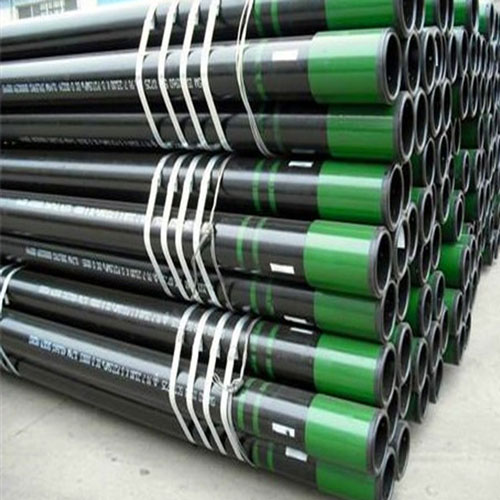
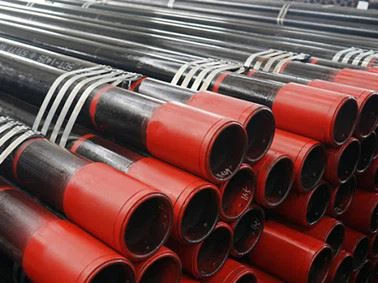
يعتمد التحقق من تحقيق اختراق في البيئات القاسية على قدرة أغلفة النفط على مقاومة التآكل بشكل فعال على مدى فترات طويلة. تقليديا، كان التآكل يمثل تحديا هائلا، مما أدى إلى عدم الكفاءة التشغيلية، ومخاطر السلامة، وتكاليف الصيانة الكبيرة. تمثل طلاءات السبائك المتقدمة حلاً واعداً للتخفيف من هذه التحديات.
أحد الجوانب الرئيسية التي تقود هذا الإنجاز هو تطوير السبائك التي لا تحافظ على السلامة الهيكلية فحسب، بل تظهر أيضًا مقاومة معززة للتآكل. تم تصميم هذه السبائك بدقة لمقاومة التأثيرات التآكلية للمواد المختلفة الموجودة في آبار النفط، مثل كبريتيد الهيدروجين وثاني أكسيد الكربون، المعروفة بطبيعتها المسببة للتآكل.
يتضمن تطبيق طلاءات السبائك المتقدمة عملية صارمة لاختيار السبائك و تطبيق طلاء. يتم اختيار السبائك بناءً على خصائصها المحددة، بما في ذلك مقاومتها للهجمات الكيميائية والقوة الميكانيكية. تم تصميم عملية الطلاء نفسها لضمان تغطية موحدة والتصاق بسطح الهيكل، وبالتالي زيادة الحماية ضد التآكل.
علاوة على ذلك، يتم التأكيد على التحقق من صحة هذه التطورات من خلال بروتوكولات اختبار صارمة تحاكي ظروف العالم الحقيقي. تخضع الأغلفة للاختبار في بيئات تحاكي الظروف القاسية الموجودة في أعماق آبار النفط. تقوم هذه الاختبارات بتقييم عوامل مثل معدل التآكل، والسلامة الميكانيكية تحت الضغط، والمتانة الشاملة على مدى فترات طويلة.
يمتد تأثير طلاءات السبائك المتقدمة إلى ما هو أبعد من مجرد مقاومة التآكل. إنه يعزز العمر التشغيلي لأغلفة الزيت، وبالتالي يقلل من تكرار الصيانة والاستبدال. ولا يُترجم هذا إلى توفير في التكاليف لشركات النفط والغاز فحسب، بل يعزز أيضًا الموثوقية التشغيلية والسلامة.
علاوة على ذلك، لا يمكن المبالغة في تقدير الفوائد البيئية. من خلال إطالة عمر أغلفة النفط، تساهم طلاءات السبائك المتقدمة في تقليل البصمة البيئية المرتبطة باستخراج النفط. يتماشى هذا مع جهود الصناعة الأوسع نحو الاستدامة والإدارة المسؤولة للموارد.
في الختام، يمثل التحقق من التقدم في البيئات القاسية من خلال طلاءات السبائك المتقدمة علامة بارزة في صناعة النفط والغاز. إنه يمثل تقاربًا بين علوم المواد والبراعة الهندسية بهدف مواجهة التحديات طويلة الأمد في مقاومة التآكل. مع استمرار تطور التكنولوجيا، ستتطور أيضًا قدرات أغلفة النفط على تحمل أقسى الظروف. يؤكد السعي المستمر للابتكار في طلاء السبائك على الالتزام بتعزيز الكفاءة التشغيلية والسلامة والإشراف البيئي داخل الصناعة. لا يؤكد هذا التقدم على التطورات الحالية فحسب، بل يمهد الطريق أيضًا للابتكارات المستقبلية التي ستعيد تحديد معايير سلامة آبار النفط وأدائها.

One of the key aspects driving this breakthrough is the development of alloys that not only maintain structural integrity but also exhibit enhanced resistance to corrosion. These alloys are meticulously engineered to withstand the corrosive effects of various substances present in Oil Wells, such as hydrogen sulfide and carbon dioxide, which are known for their corrosive nature.
The application of advanced alloy coatings involves a rigorous process of alloy selection and coating application. Alloys are cHosen based on their specific properties, including their resistance to chemical attacks and mechanical strength. The coating process itself is designed to ensure uniform coverage and adherence to the Casing surface, thereby maximizing protection against corrosion.
Moreover, the validation of these advancements is underscored by rigorous testing protocols that simulate real-world conditions. casings undergo testing in environments that replicate the extreme conditions found deep within oil wells. These tests evaluate factors such as corrosion rate, mechanical integrity under stress, and overall durability over extended periods.
The impact of advanced alloy coatings extends beyond mere resistance to corrosion. It enhances the operational lifespan of Oil Casings, thereby reducing the frequency of Maintenance and replacement. This not only translates into cost savings for Oil and Gas Companies but also enhances operational reliability and safety.
Furthermore, the environmental benefits cannot be overstated. By prolonging the lifespan of oil casings, advanced alloy coatings contribute to reducing the environmental footprint associated with oil extraction. This aligns with broader industry efforts towards sustainability and responsible resource management.
In conclusion, the validation of a breakthrough in extreme environments through advanced alloy coatings marks a significant milestone in the oil and gas industry. It represents a convergence of Material science and engineering ingenuity aimed at addressing longstanding challenges in Corrosion resistance. As technology contiNues to evolve, so too will the capabilities of oil casings to withstand the harshest of conditions. The ongoing pursuit of innovation in alloy coatings underscores a commitment to enhancing operational efficiency, safety, and environmental stewardship within the industry. This progress not only validates current advancements but also sets the stage for future innovations that will further redefine standards in oil well integrity and performance.