**فهم معايير غلاف الزيت المقاوم للصلب**
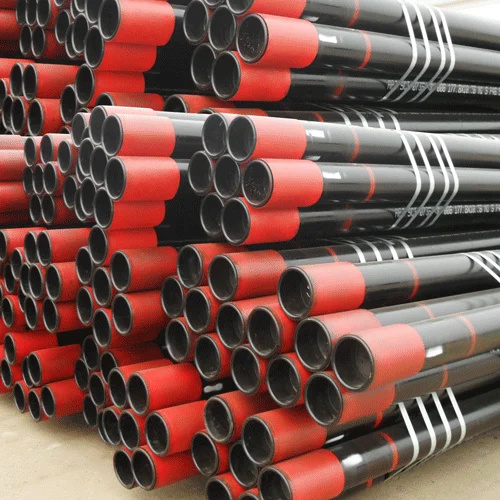
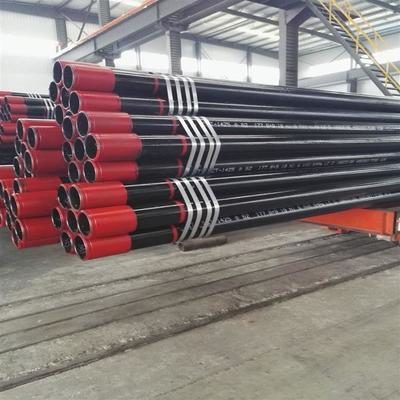
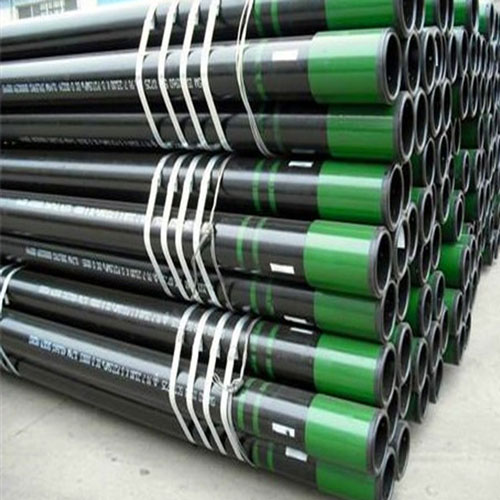
في مجال استخراج النفط وإنتاجه، تعد سلامة وموثوقية المعدات المستخدمة أمرًا بالغ الأهمية، لا سيما عندما يتعلق الأمر بغلاف الزيت الصلب المقاوم. تم تصميم هذا النوع من الغلاف خصيصًا لتحمل الظروف القاسية التي تواجهها آبار النفط، بما في ذلك التعرض للمواد المسببة للتآكل والضغوط الميكانيكية المرتبطة ببيئات الضغط العالي. يعد فهم المعايير التي تحكم جودة تصنيع أغلفة الزيت الصلبة المقاومة أمرًا ضروريًا لضمان أداء هذه المواد بفعالية وأمان طوال عمرها التشغيلي.
 **تقنيات تحسين جودة التصنيع في إنتاج أغلفة الزيت**
في مجال استخراج النفط، تعد جودة غلاف النفط الصلب المقاوم أمرًا بالغ الأهمية، لأنها تؤثر بشكل مباشر على كفاءة وسلامة عمليات الحفر. لتعزيز جودة تصنيع أغلفة الزيت، يمكن استخدام العديد من التقنيات، تساهم كل منها في السلامة العامة والأداء للمنتج النهائي. تتضمن إحدى الطرق الأساسية الاختيار الدقيق للمواد الخام. وينبغي إعطاء الأولوية لسبائك الفولاذ عالية الجودة، والمصممة خصيصًا لتحمل الظروف القاسية التي تواجهها حقول النفط. يجب أن تظهر هذه المواد مقاومة استثنائية للتآكل والضغط وتقلبات درجات الحرارة، مما يضمن قدرة الغلاف على تحمل البيئات الصعبة لاستخراج النفط.
بمجرد اختيار المواد المناسبة، فإن الخطوة التالية هي تنفيذ عمليات التصنيع المتقدمة. تعتبر تقنيات مثل الدرفلة على الساخن والسحب على البارد ضرورية في تشكيل الفولاذ بالأبعاد المطلوبة مع تعزيز خواصه الميكانيكية في نفس الوقت. على سبيل المثال، يسمح الدرفلة على الساخن بتقليل سمك المادة وتحسين ليونتها، وهو أمر بالغ الأهمية لقدرة الغلاف على تحمل الضغوط الخارجية. على العكس من ذلك، يعمل السحب على البارد على تحسين الأبعاد وتشطيب السطح، مما يؤدي إلى منتج لا يلبي معايير الصناعة فحسب، بل يتجاوزها.
بالإضافة إلى هذه العمليات، لا يمكن المبالغة في تطبيق تدابير صارمة لمراقبة الجودة طوال دورة التصنيع. تعد عمليات التفتيش والاختبار المنتظمة في مراحل مختلفة من الإنتاج أمرًا حيويًا لتحديد أي عيوب محتملة في وقت مبكر. يمكن استخدام طرق الاختبار غير المدمرة، مثل الاختبار بالموجات فوق الصوتية وفحص الجسيمات المغناطيسية، للكشف عن العيوب الداخلية والسطحية دون المساس بسلامة الغلاف. من خلال دمج ممارسات ضمان الجودة هذه، يمكن للمصنعين ضمان وصول المنتجات عالية الجودة فقط إلى السوق، وبالتالي تقليل مخاطر الفشل أثناء التشغيل.
علاوة على ذلك، يلعب تطبيق التقنيات الحديثة، مثل تصنيع التحكم العددي بالكمبيوتر (CNC) دورًا دور كبير في تحسين جودة التصنيع. توفر آلات CNC دقة واتساقًا لا مثيل لهما، مما يسمح بإنتاج مكونات غلاف الزيت التي تلتزم بالمواصفات الدقيقة. لا يؤدي هذا المستوى من الدقة إلى تحسين الجودة الشاملة للغلاف فحسب، بل يعمل أيضًا على تبسيط عملية التصنيع، مما يقلل من النفايات ويزيد من الكفاءة. ونتيجة لذلك، يمكن للمصنعين تحقيق معدلات إنتاج أعلى مع الحفاظ على معايير الجودة الصارمة.
علاوة على ذلك، لا ينبغي التغاضي عن أهمية العمالة الماهرة في عملية التصنيع. يمكن لبرامج التدريب والتطوير للعاملين أن تؤثر بشكل كبير على جودة المنتج النهائي. إن المشغلين المهرة الذين لديهم خبرة جيدة في تعقيدات عملية التصنيع مجهزون بشكل أفضل لتحديد وتصحيح المشكلات التي قد تنشأ أثناء الإنتاج. من خلال تعزيز ثقافة التحسين المستمر وتشجيع الموظفين على تولي مسؤولية عملهم، يمكن للمصنعين تحسين الجودة الشاملة لأغلفة الزيت الصلبة المقاومة.
أخيرًا، يمكن للتعاون مع خبراء الصناعة والالتزام بالمعايير الدولية أن يعزز جودة الزيت بشكل أكبر. إنتاج الغلاف. إن التعامل مع المنظمات المتخصصة في معايير النفط والغاز يمكن أن يوفر رؤى قيمة حول أفضل الممارسات والتقنيات الناشئة. من خلال البقاء على اطلاع بأحدث التطورات في هذا المجال، يمكن للمصنعين تكييف عملياتهم وموادهم وفقًا لذلك، مما يضمن بقاء منتجاتهم قادرة على المنافسة في سوق سريع التطور.
في الختام، يتطلب تحسين جودة تصنيع أغلفة الزيت الصلبة المقاومة عملية متعددة الأوجه النهج الذي يشمل اختيار المواد، وتقنيات التصنيع المتقدمة، ومراقبة الجودة الصارمة، والتكنولوجيا الحديثة، والعمالة الماهرة، والتعاون في الصناعة. ومن خلال دمج هذه العناصر، يمكن للمصنعين إنتاج أغلفة زيت عالية الجودة تلبي متطلبات الصناعة، مما يساهم في النهاية في عمليات استخراج النفط أكثر أمانًا وكفاءة.
In the realm of Oil extraction, the quality of solid-resistant Oil Casing is paramount, as it directly influences the efficiency and safety of drilling operations. To enhance the manufacturing quality of oil casing, several techniques can be employed, each contributing to the overall integrity and performance of the final product. One of the primary methods involves the meticulous selection of raw Materials. high-quality Steel alloys, specifically designed to withstand the harsh conditions encountered in oil fields, should be prioritized. These materials must exhibit exceptional resistance to corrosion, pressure, and temperature fluctuations, ensuring that the casing can endure the demanding environments of oil extraction.
Once the appropriate materials have been selected, the next step is to implement advanced manufacturing processes. Techniques such as hot rolling and cold drawing are essential in sh APIng the steel into the desired dimensions while simultaneously enhancing its mechanical properties. Hot rolling, for instance, allows for the reduction of the material’s thickness and the improvement of its ductility, which is crucial for the casing’s ability to withstand external stresses. Conversely, cold drawing further refines the dimensions and surface finish, resulting in a product that not only meets but exceeds industry standards.
In addition to these processes, the application of stringent quality control measures throughout the manufacturing cycle cannot be overstated. Regular inspections and testing at various stages of production are vital to identify any potential defects early on. Non-destructive testing methods, such as ultrasonic testing and magnetic particle inspection, can be employed to detect internal and surface flaws without compromising the integrity of the casing. By integrating these quality assurance practices, Manufacturers can ensure that only the highest quality products reach the market, thereby reducing the risk of failures during operation.
Moreover, the implementation of modern technologies, such as computer numerical control (CNC) machining, plays a significant role in enhancing manufacturing quality. CNC machines offer unparalleled precision and consistency, allowing for the production of oil casing components that adhere to exact specifications. This level of accuracy not only improves the overall quality of the casing but also streamlines the manufacturing process, reducing waste and increasing efficiency. As a result, manufacturers can achieve higher production rates while maintaining stringent quality standards.
Essential oil case walmartFurthermore, the importance of skilled labor in the manufacturing process should not be overlooked. Training and development programs for workers can significantly impact the quality of the final product. Skilled operators who are well-versed in the intricacies of the manufacturing process are better equipped to identify and rectify issues that may arise during production. By fostering a culture of continuous improvement and encouraging employees to take ownership of their work, manufacturers can enhance the overall quality of solid-resistant oil casing.
Lastly, collaboration with industry experts and adherence to international standards can further bolster the quality of oil casing production. Engaging with organizations that specialize in Oil and Gas standards can provide valuable insights into best practices and emerging technologies. By staying informed about the latest advancements in the field, manufacturers can adapt their processes and materials accordingly, ensuring that their products remain competitive in a rapidly evolving market.
In conclusion, enhancing the manufacturing quality of solid-resistant oil casing requires a multifaceted approach that encompasses material selection, advanced manufacturing techniques, rigorous quality control, modern technology, skilled labor, and industry collaboration. By integrating these elements, manufacturers can produce high-quality oil casing that meets the demands of the industry, ultimately contributing to safer and more efficient oil extraction operations.