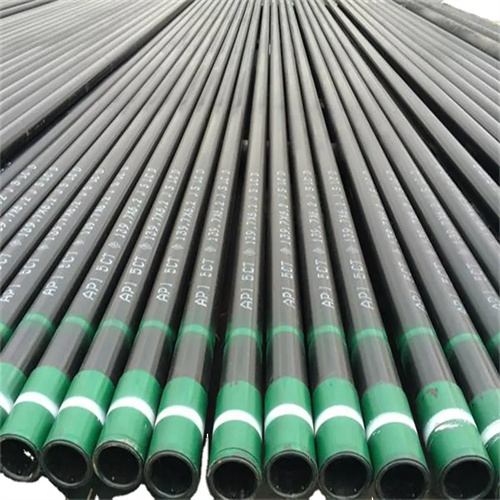
فهم أنواع أغلفة الزيت
تقييم متطلبات بنية الطلب
علاوة على ذلك، يلعب حجم الإنتاج المتوقع دورًا مهمًا في تحديد الغلاف المناسب. قد تتطلب متطلبات الإنتاج المرتفعة استخدام غلاف أكثر سمكًا أو أكثر قوة لاستيعاب معدلات التدفق والضغوط المتزايدة. على العكس من ذلك، في السيناريوهات التي من المتوقع أن يكون فيها الإنتاج أقل، قد يكون الغلاف الأخف كافيًا، وبالتالي تحسين التكاليف دون المساس بالسلامة. من المهم أيضًا مراعاة طول عمر الغلاف؛ يعد اختيار المواد التي يمكنها تحمل العمر التشغيلي للبئر أمرًا ضروريًا لتقليل احتياجات الصيانة والاستبدال.
درجات غلاف الزيت
هناك جانب حيوي آخر لتقييم متطلبات نسيج الطلب وهو فهم المعايير التنظيمية والصناعية. إن الالتزام بهذه المعايير ليس التزامًا قانونيًا فحسب، بل هو أيضًا أفضل الممارسات التي تضمن سلامة وموثوقية عملية استخراج النفط. يمكن أن يساعد الإلمام باللوائح المحلية وإرشادات الصناعة في اختيار الغلاف الذي يلبي هذه المتطلبات أو يتجاوزها، وبالتالي تقليل مخاطر عدم الامتثال والعقوبات المرتبطة بها.
أخيرًا، يمكن أن يوفر التعاون مع المهندسين ذوي الخبرة وخبراء الصناعة رؤى قيمة حول عملية الاختيار. . يمكن أن تساعد خبرتهم في تفسير البيانات الجيولوجية، وفهم توقعات الإنتاج، والتنقل في المناظر الطبيعية التنظيمية. ومن خلال الاستفادة من معرفتهم، يمكن للمرء اتخاذ قرارات مستنيرة تتماشى مع متطلبات نسيج الطلب المحددة للمشروع.
في الختام، يتطلب اختيار غلاف النفط المناسب بما يتماشى مع نسيج الطلب الفعلي نهجًا متعدد الأوجه يأخذ في الاعتبار الظروف الجيولوجية وأهداف الإنتاج، البيئات التشغيلية والمعايير التنظيمية. ومن خلال التقييم الشامل لهذه العوامل والتعاون مع خبراء الصناعة، يمكن للمرء التأكد من أن الغلاف المختار سيعمل بفعالية، وبالتالي تعزيز النجاح الشامل لعملية استخراج النفط. إن هذه الدراسة المتأنية لا تحمي الاستثمار فحسب، بل تساهم أيضًا في الإنتاج المستدام والفعال للموارد النفطية.
In addition to geological and production considerations, one must also evaluate the operational environment. Factors such as the presence of water, Gas, or other fluids can influence the choice of casing Material. For example, in environments where hydrogen sulfide is present, it is critical to select casing that is resistant to sulfide stress cracking. This not only ensures the safety of the operation but also protects the investment in the drilling project. Moreover, the casing design must account for potential thermal expansion and contraction, which can occur due to temperature fluctuations during production.
Another vital aspect of evaluating demand texture requirements is understanding regulatory and industry standards. Compliance with these standards is not only a legal obligation but also a best practice that ensures the safety and reliability of the oil extraction process. Familiarity with local regulations and industry guidelines can help in selecting casing that meets or exceeds these requirements, thereby reducing the risk of non-compliance and associated penalties.
Finally, collaboration with experienced engineers and industry experts can provide valuable insights into the selection process. Their expertise can help in interpreting geological data, understanding production forecasts, and navigating regulatory landscapes. By leveraging their knowledge, one can make informed decisions that align with the specific demand texture requirements of the project.
In conclusion, choosing the suitable oil casing in line with actual demand texture requires a multifaceted approach that considers geological conditions, production goals, operational environments, and regulatory standards. By thoroughly evaluating these factors and collaborating with industry experts, one can ensure that the selected casing will perform effectively, thereby enhancing the overall success of the oil extraction operation. This careful consideration not only safeguards the investment but also contributes to the sustainable and efficient production of oil resources.