معايير اختيار المواد المضادة للتآكل لغلاف الزيت
التحليل المقارن لتقنيات الطلاء المضاد للتآكل
 علاوة على ذلك، فقد أدت التطورات في تكنولوجيا النانو إلى ظهور طبقات من مركبات النانو التي تعزز القدرات الوقائية للمواد التقليدية. من خلال دمج الجسيمات النانوية، توفر هذه الطلاءات خصائص حاجزة محسنة، والتصاق معزز، وقدرات على الشفاء الذاتي. تمثل الطلاءات النانوية حدودًا واعدة في تكنولوجيا مقاومة التآكل، خاصة في البيئات التي قد تفشل فيها الطلاءات التقليدية.
في النهاية، يتطلب اختيار مادة مقاومة التآكل لغلاف الزيت تقييمًا شاملاً للمواصفات الفنية والعوامل البيئية والقيود التشغيلية. تعد الجهود التعاونية بين المهندسين وعلماء المواد ومصنعي الطلاء ضرورية لتصميم الحلول التي تلبي متطلبات المشروع المحددة وتضمن سلامة الأصول على المدى الطويل. من خلال الاستفادة من نقاط القوة في مختلف تقنيات مقاومة التآكل والنظر في الفروق الدقيقة الخاصة بالتطبيقات، يمكن لأصحاب المصلحة تحقيق الأداء الأمثل وطول العمر في حماية غلاف الزيت.
دراسات الحالة: أفضل الممارسات في اختيار المواد المضادة للتآكل
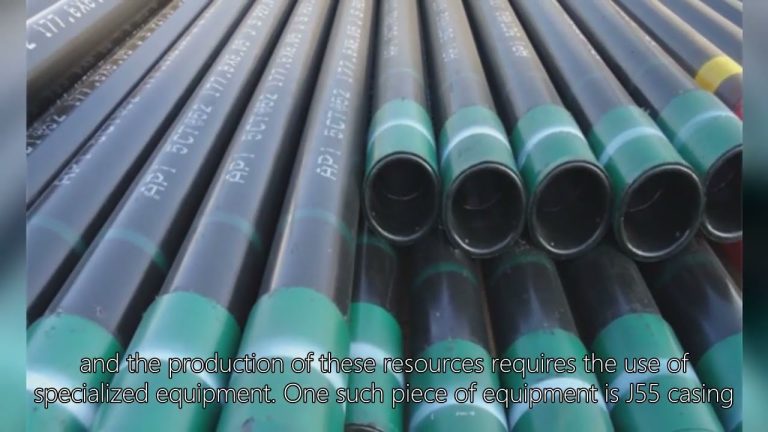
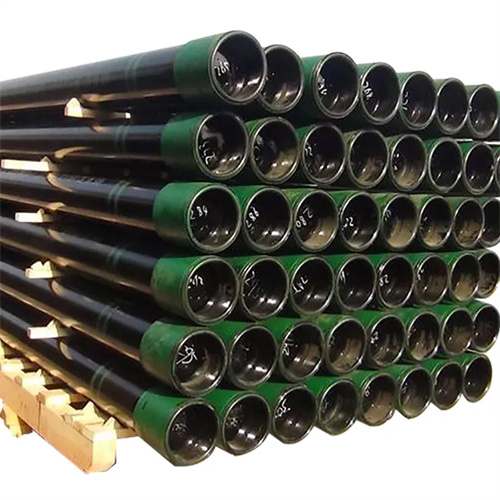
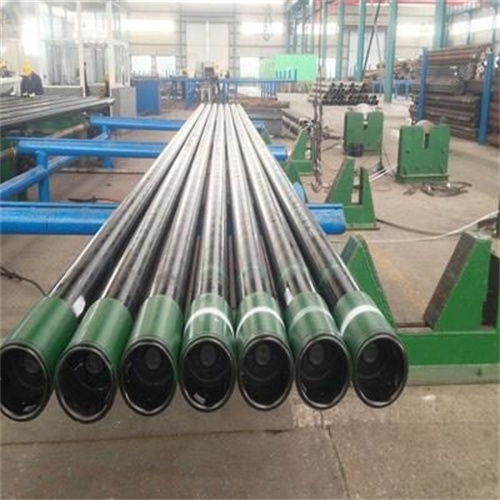
يعد اختيار المادة المناسبة المضادة للتآكل لغلاف النفط أمرًا بالغ الأهمية لضمان طول العمر والموثوقية في عمليات النفط والغاز. يجب أن تأخذ عملية الاختيار في الاعتبار عوامل مختلفة، بما في ذلك الظروف البيئية والمتطلبات التشغيلية والجدوى الاقتصادية.
في صناعة النفط والغاز، تلعب المواد المضادة للتآكل دورًا حاسمًا في حماية غلاف النفط من التدهور الناجم عن البيئات القاسية والمواد المسببة للتآكل. يعتمد اختيار المادة على حالة التطبيق المحددة، والتي يمكن أن تختلف بشكل كبير باختلاف مواقع الحفر وظروف التشغيل.
أحد الاعتبارات الأساسية في اختيار المواد المضادة للتآكل هو نوع البيئة التي سيتم نشر غلاف النفط فيها. فالمناطق الساحلية، على سبيل المثال، تمثل خطرًا أكبر للتآكل بسبب التعرض للمياه المالحة، مما يتطلب مواد ذات مقاومة فائقة للتآكل الناجم عن الكلوريد. في المقابل، قد تواجه مواقع الحفر الداخلية تحديات مختلفة، مثل التعرض لكبريتيد الهيدروجين أو ثاني أكسيد الكربون، مما يستلزم مواد يمكنها تحمل هذه العوامل المسببة للتآكل.
علاوة على ذلك، تعد المتطلبات التشغيلية مثل درجة الحرارة والضغط وعمر الخدمة المتوقع أيضًا من العوامل الحاسمة. . على سبيل المثال، تتطلب الخزانات ذات درجة الحرارة المرتفعة مواد يمكنها الحفاظ على سلامتها في ظل ظروف الحرارة الشديدة دون المساس بالأداء. تتطلب تقلبات الضغط أثناء عمليات الحفر مواد يمكنها مقاومة التشقق الناتج عن التآكل الإجهادي والحفاظ على السلامة الهيكلية بمرور الوقت.
تؤثر الاعتبارات الاقتصادية أيضًا على اختيار المواد المضادة للتآكل. في حين أن بعض المواد المتقدمة توفر مقاومة فائقة للتآكل، إلا أنها قد تأتي بتكلفة أعلى. يعد تحقيق التوازن بين متطلبات الأداء وقيود الميزانية أمرًا ضروريًا لتحسين فعالية التكلفة دون المساس بالسلامة والموثوقية التشغيلية.
توفر دراسات الحالة رؤى قيمة حول أفضل الممارسات لاختيار المواد المضادة للتآكل بناءً على تطبيقات العالم الحقيقي. في أحد الأمثلة، اختارت عملية حفر في منطقة ساحلية استخدام الفولاذ المقاوم للصدأ المزدوج نظرًا لمقاومته الممتازة للتآكل الناجم عن الكلوريد وقوته الميكانيكية العالية. لم يؤدي هذا الاختيار إلى إطالة عمر خدمة غلاف الزيت فحسب، بل قلل أيضًا من تكاليف الصيانة المرتبطة بالحماية من التآكل.
وفي حالة أخرى، استخدم مشروع في خزان عالي الحرارة سبائك مقاومة للتآكل (CRAs) مصممة لتحمل الظروف القاسية في قاع البئر. . قامت CRAs بتخفيف مخاطر التآكل المرتبطة بكبريتيد الهيدروجين وثاني أكسيد الكربون بشكل فعال، مما يضمن الكفاءة التشغيلية والسلامة لفترة طويلة.
يعد التعاون بين المهندسين ومتخصصي المواد وخبراء التآكل أمرًا بالغ الأهمية في اتخاذ قرارات مستنيرة فيما يتعلق بالمواد المضادة للتآكل. يساعد إجراء تقييمات شاملة لمخاطر التآكل وتحليلات تكلفة دورة الحياة في تحديد المواد الأكثر ملاءمة التي تتوافق مع الأهداف التشغيلية والمتطلبات التنظيمية.
تستمر التطورات في علوم المواد في توسيع نطاق الخيارات المتاحة للحماية من التآكل في تطبيقات النفط والغاز. تركز جهود البحث والتطوير على تعزيز أداء ومتانة المواد الموجودة مع استكشاف حلول مبتكرة لمواجهة التحديات المتطورة في مجال الوقاية من التآكل.
في الختام، يتضمن اختيار المواد المضادة للتآكل المناسبة لغلاف النفط تقييمًا شاملاً للظروف البيئية والمتطلبات التشغيلية، العوامل الاقتصادية والتقدم التكنولوجي. توضح دراسات الحالة الاستراتيجيات الناجحة وأفضل الممارسات في اختيار المواد التي تضمن الموثوقية وطول العمر والفعالية من حيث التكلفة في بيئات النفط والغاز الصعبة. ومن خلال الاستفادة من الخبرة والتعاون عبر التخصصات، يمكن لمحترفي الصناعة اتخاذ قرارات دقيقة ومستنيرة تعمل على تحسين الأداء وتخفيف مخاطر التآكل بشكل فعال.
Moreover, advancements in nanotechnology have introduced nanocomposite coatings that enhance the protective capabilities of traditional Materials. By incorporating nanoparticles, these coatings offer improved barrier properties, enhanced adhesion, and self-healing capabilities. Nanocomposite coatings represent a promising frontier in anticorrosion technology, particularly in environments where conventional coatings may fall short.
Ultimately, the choice of Oil Casing anticorrosion material requires a comprehensive evaluation of technical specifications, environmental factors, and operational constraints. Collaborative efforts between engineers, material scientists, and coating Manufacturers are essential to tailor solutions that meet specific project requirements and ensure long-term asset integrity. By leveraging the strengths of various anticorrosion technologies and considering application-specific nuances, stakeholders can achieve optimal performance and longevity in oil casing protection.
Case Studies: Best Practices in Choosing Anticorrosion Materials
Choosing the right anticorrosion material for oil casing is critical to ensure longevity and reliability in Oil and Gas operations. The selection process must consider various factors, including environmental conditions, operational requirements, and economic feasibility.
In the oil and gas industry, anticorrosion materials play a crucial role in protecting oil casing from degradation caused by harsh environments and corrosive substances. The choice of material depends on the specific application situation, which can vary widely across different drilling sites and operational conditions.
One of the primary considerations in selecting anticorrosion materials is the type of environment in which the oil casing will be deployed. Coastal regions, for example, present a higher risk of corrosion due to saltwater exposure, requiring materials with superior resistance to chloride-induced corrosion. In contrast, inland drilling sites may face different challenges, such as exposure to hydrogen sulfide or carbon dioxide, necessitating materials that can withstand these corrosive agents.
Furthermore, operational requirements such as temperature, pressure, and expected service life are also critical factors. High-temperature reservoirs, for instance, demand materials that can maintain their integrity under extreme heat conditions without compromising performance. Pressure fluctuations during drilling operations require materials that can resist stress corrosion cracking and maintain structural integrity over time.
Economic considerations also influence the choice of anticorrosion materials. While some advanced materials offer superior Corrosion resistance, they may come at a higher cost. Balancing performance requirements with budget constraints is essential to optimizing cost-effectiveness without compromising operational safety and reliability.
Case studies provide valuable insights into best practices for selecting anticorrosion materials based on real-world applications. In one example, a drilling operation in a coastal region opted for duplex Stainless Steel due to its excellent resistance to chloride-induced corrosion and high mechanical strength. This choice not only extended the service life of the oil casing but also minimized Maintenance costs associated with corrosion protection.
In another case, a project in a high-temperature reservoir utilized corrosion-resistant alloys (CRAs) tailored to withstand aggressive downhole conditions. The CRAs effectively mitigated corrosion risks associated with hydrogen sulfide and carbon dioxide, ensuring prolonged operational efficiency and safety.
Collaboration between engineers, material specialists, and corrosion experts is crucial in making informed decisions regarding anticorrosion materials. Conducting thorough corrosion risk assessments and lifecycle cost analyses helps identify the most suitable materials that align with operational goals and regulatory requirements.
Advancements in material science contiNue to expand the range of options available for anticorrosion protection in oil and gas applications. Research and development efforts focus on enhancing the performance and durability of existing materials while exploring innovative solutions to address evolving challenges in corrosion prevention.
In conclusion, selecting the right anticorrosion material for oil casing involves a comprehensive evaluation of environmental conditions, operational requirements, economic factors, and technological advancements. Case studies illustrate successful strategies and best practices in choosing materials that ensure reliability, longevity, and cost-effectiveness in challenging oil and gas environments. By leveraging expertise and collaboration across disciplines, industry professionals can make precise and informed decisions that optimize performance and mitigate corrosion risks effectively.