**فهم أنواع أغلفة الزيت وتطبيقاتها**
عندما يتعلق الأمر بصناعة النفط والغاز، فإن اختيار غلاف النفط المناسب يعد قرارًا حاسمًا يمكن أن يؤثر بشكل كبير على كفاءة عمليات الحفر وسلامتها. يخدم غلاف النفط، الذي يشير إلى سلسلة الأنابيب الفولاذية التي يتم تركيبها في حفرة البئر، أغراضًا متعددة، بما في ذلك توفير السلامة الهيكلية، ومنع انهيار البئر، وعزل مناطق الضغط المختلفة. يعد فهم الأنواع المختلفة من أغلفة النفط وتطبيقاتها المحددة أمرًا ضروريًا لاتخاذ قرارات مستنيرة تتوافق مع المتطلبات الفريدة لكل مشروع حفر.
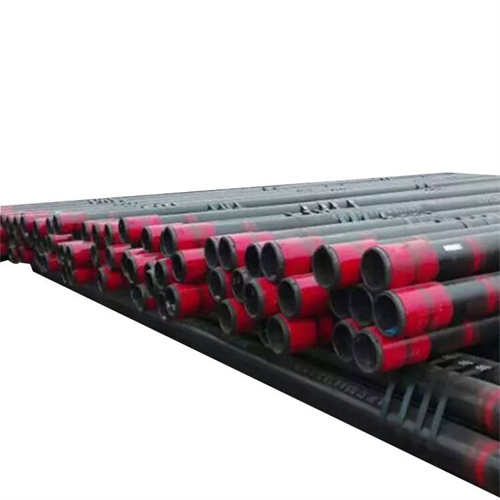
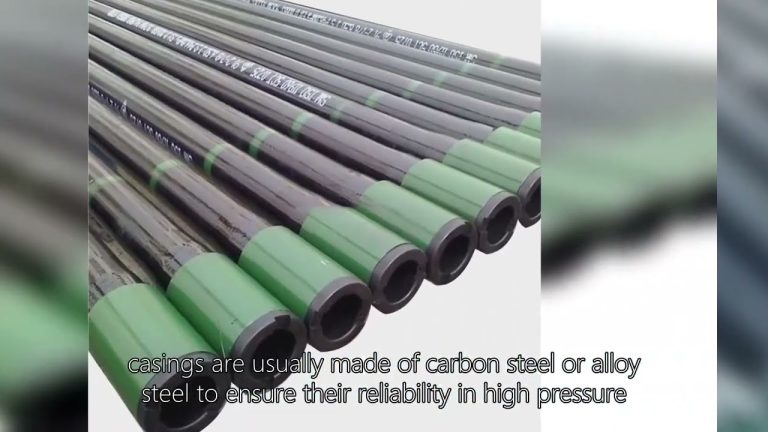
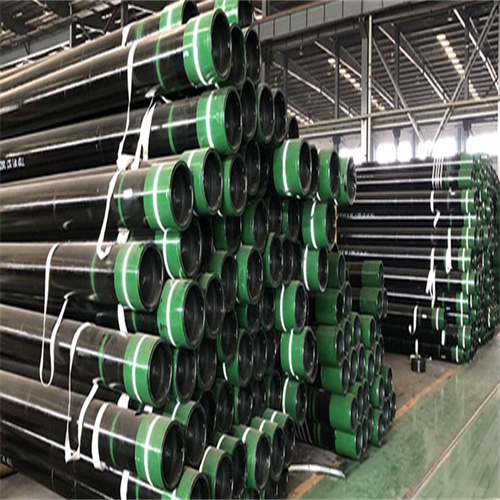
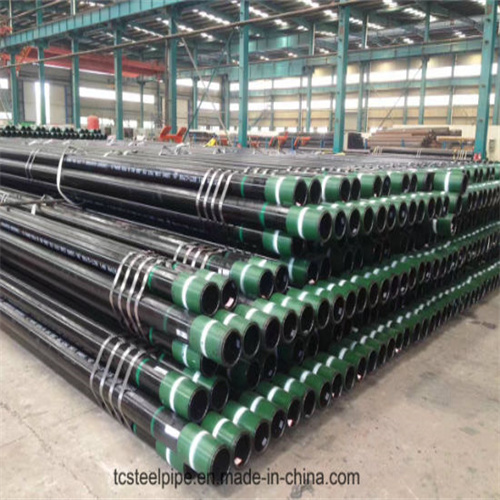
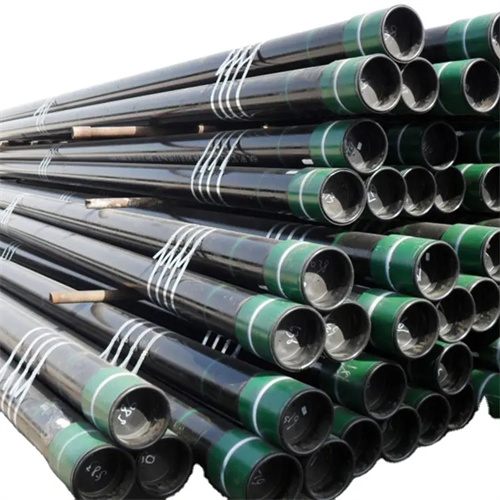
API 5ct N80-1 Casing أفضل تجار الجملة الصينيين للبدء، من المهم أن ندرك أن غلاف النفط يتم تصنيفها إلى عدة أنواع، كل منها مصمم لتلبية الاحتياجات التشغيلية المحددة. تشمل الأنواع الأكثر شيوعًا الغلاف السطحي، والغلاف المتوسط، وأغلفة الإنتاج. عادة ما يكون الغلاف السطحي هو الطبقة الأولى التي يتم تركيبها في البئر، وهو مصمم لحماية طبقات المياه الجوفية العذبة وتوفير أساس مستقر لعمليات الحفر اللاحقة. عادةً ما يكون هذا النوع من الغلاف أكبر قطرًا ويتم تثبيته في مكانه لضمان قدرته على تحمل الضغوط التي تتم مواجهتها أثناء الحفر والإنتاج.
 **تقييم العوامل البيئية والتشغيلية لاختيار غلاف الزيت**
في الختام، فإن عملية اختيار غلاف الزيت المناسب هي تفاعل معقد بين العوامل البيئية والتشغيلية التي تتطلب دراسة وتحليل متأنيين. ومن خلال تقييم الظروف الجيولوجية والتأثيرات البيئية والمتطلبات التشغيلية والعوامل الاقتصادية والمتطلبات التنظيمية، يمكن لأصحاب المصلحة اتخاذ قرارات مستنيرة لا تعزز سلامة وكفاءة استخراج النفط فحسب، بل تقلل أيضًا من المخاطر البيئية. في نهاية المطاف، تعد عملية اختيار الغلاف المدروسة أمرًا ضروريًا للتنمية المستدامة للموارد النفطية، مما يضمن إمكانية استمرار العمليات بأمان وفعالية مع الالتزام بأعلى معايير الإشراف البيئي.
When it comes to the selection of Oil Casing, a critical aspect that must be considered is the evaluation of environmental and operational factors. The choice of casing is not merely a technical decision; it is a multifaceted process that requires a comprehensive understanding of the specific conditions under which the casing will operate. This understanding begins with a thorough assessment of the geological environment, which includes factors such as the type of rock formations, the presence of groundwater, and the overall stability of the geological structure. Each of these elements plays a significant role in determining the appropriate casing Material and design.
In addition to geological considerations, one must also take into account the environmental conditions that may affect the integrity of the casing over time. For instance, the presence of corrosive substances, such as hydrogen sulfide or carbon dioxide, can significantly impact the longevity and durability of the casing. Therefore, it is essential to evaluate the chemical composition of the fluids that will be encountered during drilling and production. This evaluation not only informs the selection of materials but also dictates the need for protective coatings or specialized alloys that can withstand harsh conditions.
Moreover, operational factors such as the depth of the well and the expected pressure and temperature conditions must be meticulously analyzed. Deeper wells typically experience higher pressures and temperatures, which necessitate the use of casing that can endure these extreme conditions without compromising safety or functionality. The American Petroleum Institute (API) provides guidelines and specifications for casing grades that are suitable for various operational environments, and adhering to these standards is crucial for ensuring the reliability of the casing.
Transitioning from the technical specifications, it is also important to consider the economic implications of casing selection. The cost of materials, installation, and Maintenance can vary significantly based on the cHosen casing type. Therefore, a cost-benefit analysis should be conducted to weigh the initial investment against the potential risks and long-term operational costs. This analysis should include considerations of potential downtime, Repair costs, and the implications of casing failure, which can lead to catastrophic environmental consequences and significant financial losses.
Furthermore, regulatory compliance is another critical factor that must be taken into account when selecting oil casing. Different regions have varying regulations regarding environmental protection and safety standards, and it is imperative to ensure that the chosen casing meets or exceeds these requirements. Engaging with regulatory bodies early in the planning process can help to identify any specific requirements that may influence casing selection and installation practices.
In conclusion, the process of selecting the proper oil casing is a complex interplay of environmental and operational factors that requires careful consideration and analysis. By evaluating geological conditions, environmental impacts, operational demands, economic factors, and regulatory requirements, stakeholders can make informed decisions that not only enhance the safety and efficiency of oil extraction but also minimize environmental risks. Ultimately, a well-informed casing selection process is essential for the sustainable development of oil resources, ensuring that operations can proceed safely and effectively while adhering to the highest standards of environmental stewardship.