**مواد مبتكرة لتعزيز إمكانية إعادة التدوير في تصنيع أغلفة الزيوت**
**تطبيق مبادئ الاقتصاد الدائري في عمليات إنتاج أغلفة الزيت**
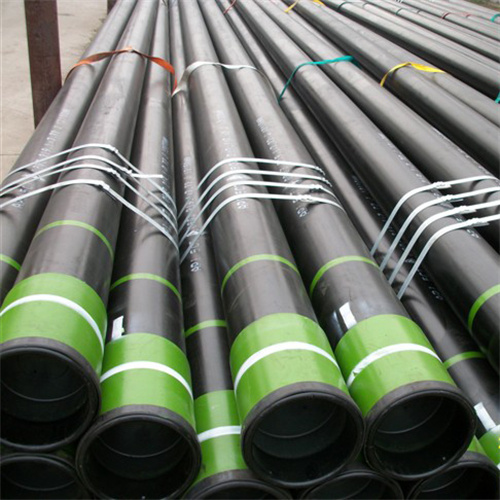
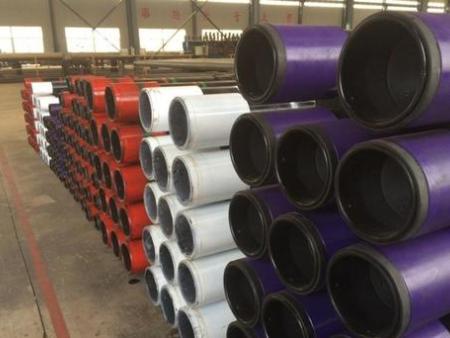
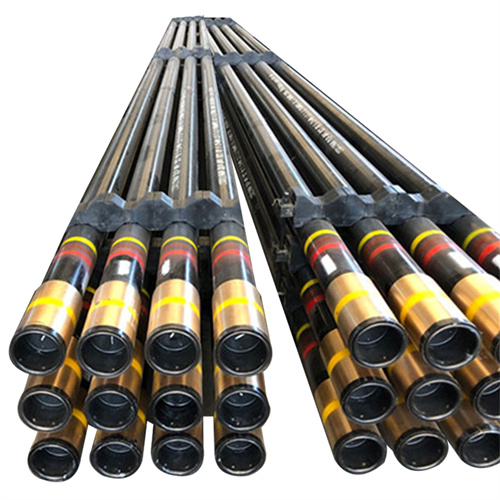
 لطالما خضعت صناعة النفط والغاز للتدقيق بسبب تأثيرها البيئي، لا سيما فيما يتعلق بدورة حياة منتجاتها. أحد المجالات التي حظيت بالاهتمام هو تصنيع أغلفة النفط، وهو أمر ضروري للحفاظ على سلامة الآبار ومنع تلوث المياه الجوفية. مع تحول التركيز العالمي نحو الاستدامة، يظهر تنفيذ مبادئ الاقتصاد الدائري في عمليات إنتاج أغلفة النفط كاستراتيجية حيوية لتعزيز إمكانية إعادة التدوير وتقليل النفايات. لا يعالج هذا النهج المخاوف البيئية فحسب، بل يقدم أيضًا فوائد اقتصادية من خلال تحسين استخدام الموارد وتقليل التكاليف.
في البداية، يعتمد الاقتصاد الدائري على فكرة تصميم المنتجات والعمليات التي تعطي الأولوية لطول العمر، وإعادة الاستخدام، وإعادة التدوير. وفي سياق تصنيع أغلفة النفط، يعني هذا إعادة تقييم المواد المستخدمة، وتقنيات الإنتاج المستخدمة، واستراتيجيات نهاية العمر لهذه المنتجات. ومن خلال اختيار مواد ليست متينة فحسب، بل قابلة لإعادة التدوير أيضًا، يمكن للمصنعين تقليل البصمة البيئية لغلاف الزيت بشكل كبير. على سبيل المثال، فإن استخدام السبائك المتقدمة أو المواد المركبة التي يمكنها تحمل الظروف القاسية مع سهولة إعادة التدوير في نهاية دورة حياتها يمكن أن يغير قواعد اللعبة. يعد هذا التحول في اختيار المواد أمرًا بالغ الأهمية، لأنه يرسي الأساس لعملية إنتاج أكثر استدامة.
أفضل صانع صيني لأنابيب الزيت
علاوة على ذلك، يعد التعاون عبر سلسلة التوريد أمرًا ضروريًا للتنفيذ الناجح لمبادئ الاقتصاد الدائري. إن التعامل مع الموردين والعملاء وشركاء إعادة التدوير يمكن أن يعزز الالتزام المشترك بالاستدامة والابتكار. ومن خلال العمل معًا، يمكن لأصحاب المصلحة تحديد فرص التحسين ومشاركة أفضل الممارسات وتطوير تقنيات جديدة تعزز إمكانية إعادة التدوير. لا يؤدي هذا النهج التعاوني إلى تعزيز العلاقات داخل الصناعة فحسب، بل يدفع أيضًا التقدم الجماعي نحو مستقبل أكثر استدامة.
في الختام، فإن تحسين إمكانية إعادة تدوير تصنيع أغلفة النفط من خلال تنفيذ مبادئ الاقتصاد الدائري ليس مجرد ضرورة بيئية؛ إنها أيضًا فرصة عمل استراتيجية. ومن خلال التركيز على المواد المستدامة، وتحسين عمليات الإنتاج، وإعادة التفكير في استراتيجيات نهاية العمر الافتراضي، يمكن لصناعة النفط والغاز أن تقلل بشكل كبير من تأثيرها البيئي مع تعزيز الكفاءة التشغيلية وفعالية التكلفة في الوقت نفسه. ومع إعطاء العالم الأولوية بشكل متزايد للاستدامة، فإن تبني هذه المبادئ سيكون أمرًا بالغ الأهمية لاستمرارية الشركات المصنعة لأغلفة النفط وقدرتها التنافسية على المدى الطويل. في نهاية المطاف، يمثل التحول إلى الاقتصاد الدائري طريقًا نحو صناعة نفط وغاز أكثر استدامة ومسؤولية، وهو المسار الذي يدرك أهمية الحفاظ على الموارد للأجيال القادمة.
Moreover, the production techniques themselves must be scrutinized and optimized to align with circular economy principles. Traditional manufacturing processes often generate significant waste and emissions. By adopting innovative technologies such as additive manufacturing, also known as 3D printing, Companies can minimize Material waste and energy consumption. This technology allows for the precise fabrication of Oil Casing components, reducing the need for excess material and enabling the production of complex geometries that were previously unfeasible. Additionally, integrating automation and smart manufacturing practices can enhance efficiency, further contributing to a reduction in waste and resource use.
Transitioning to a circular economy also necessitates a rethinking of the end-of-life phase for oil casing products. Instead of viewing these materials as waste once they have served their purpose, Manufacturers can implement take-back programs or partnerships with recycling facilities to ensure that used casings are collected and processed appropriately. This not only diverts materials from landfills but also allows for the recovery of valuable resources that can be reintegrated into the production cycle. By establishing a closed-loop system, companies can significantly reduce their reliance on virgin materials, thereby conserving natural resources and minimizing environmental degradation.
Furthermore, collaboration across the supply chain is essential for the successful implementation of circular economy principles. Engaging with Suppliers, customers, and recycling partners can foster a shared commitment to sustainability and innovation. By working together, stakeholders can identify opportunities for improvement, share best practices, and develop new technologies that enhance recyclability. This collaborative approach not only strengthens relationships within the industry but also drives collective progress toward a more sustainable future.
In conclusion, improving the recyclability of oil casing manufacturing through the implementation of circular economy principles is not merely an environmental imperative; it is also a strategic business opportunity. By focusing on sustainable materials, optimizing production processes, and rethinking end-of-life strategies, the Oil and Gas industry can significantly reduce its environmental impact while simultaneously enhancing operational efficiency and cost-effectiveness. As the world increasingly prioritizes sustainability, embracing these principles will be crucial for the long-term viability and competitiveness of oil casing Manufacturers. Ultimately, the transition to a circular economy represents a pathway toward a more sustainable and responsible oil and gas industry, one that recognizes the importance of preserving resources for future generations.