نظرة عامة على مواد تغليف الزيت
في الختام، يعد اختيار مواد تغليف النفط قرارًا حاسمًا يؤثر على النجاح الشامل وسلامة عمليات الحفر. يظل الفولاذ هو الخيار السائد بسبب قوته وموثوقيته، في حين توفر البدائل مثل البلاستيك المقوى بالألياف الزجاجية واللدائن الحرارية مزايا فريدة في تطبيقات محددة. تقدم كل مادة مجموعتها الخاصة من الفوائد والتحديات، مما يستلزم فهمًا شاملاً لظروف البئر ومتطلبات التشغيل. ومن خلال دراسة هذه العوامل بعناية، يمكن للمشغلين اتخاذ قرارات مستنيرة تعزز سلامة آبارهم وتساهم في التنمية المستدامة لموارد النفط والغاز.
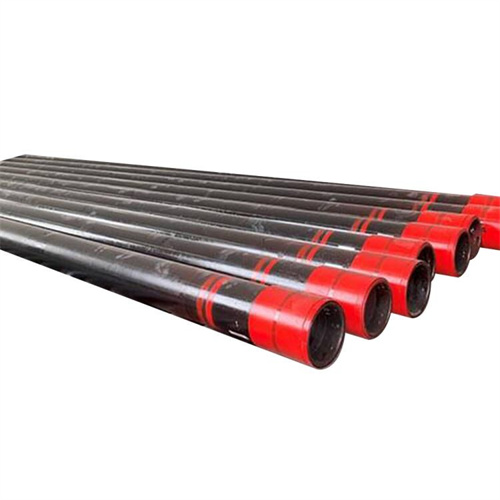
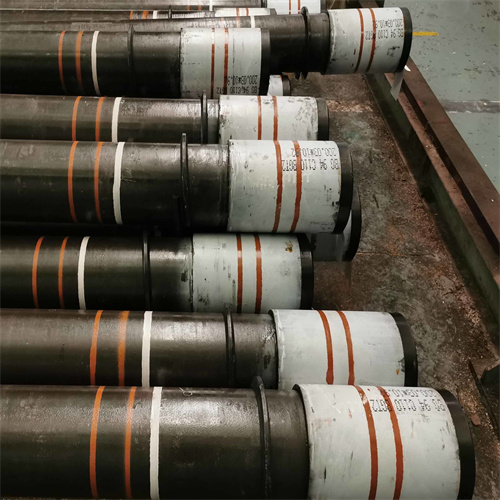
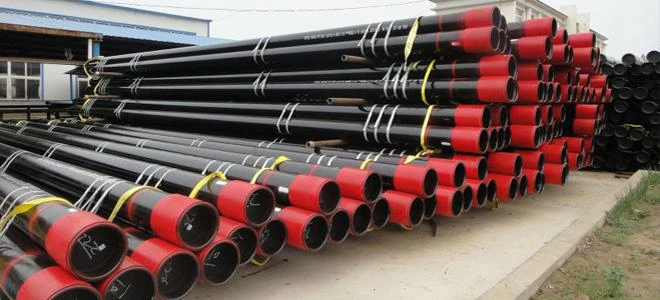
Steel is the most widely used Material for Oil Casing due to its exceptional strength and durability. It is available in various grades, with each grade designed to withstand specific pressures and environmental conditions. The most common grades include J55, K55, N80, and P110, which differ in yield strength and tensile strength. The choice of steel grade is influenced by factors such as the depth of the well, the type of formation being drilled, and the anticipated pressures and temperatures. steel casing is particularly advantageous in high-pressure and high-temperature environments, where its mechanical properties provide the necessary support and protection. However, steel is susceptible to corrosion, especially in the presence of aggressive fluids, which can compromise its integrity over time. To mitigate this risk, operators often employ protective coatings or select corrosion-resistant alloys for specific applications.
Casing Pipe china Best SupplierAnother material that has gained popularity in recent years is fiberglass-reinforced plastic (FRP). FRP casing offers several benefits, including lightWeight Construction, resistance to corrosion, and ease of installation. The composite nature of FRP allows it to withstand harsh chemical environments, making it an ideal choice for applications where traditional steel casing may fail due to corrosion. Additionally, the lower weight of FRP can reduce transportation and installation costs, particularly in remote locations. However, it is essential to note that FRP may not possess the same mechanical strength as steel, which can limit its use in high-pressure applications. Therefore, careful consideration must be given to the specific conditions of the well when selecting FRP as a casing material.
In addition to steel and FRP, thermoplastic materials, such as polyvinyl chloride (PVC) and polyethylene (PE), are also utilized in certain applications, particularly in shallow wells and non-pressurized environments. These materials are lightweight, resistant to corrosion, and relatively inexpensive, making them suitable for specific applications where the mechanical demands are lower. However, thermoplastics generally have lower temperature and Pressure ratings compared to steel and FRP, which restricts their use in more demanding drilling conditions. As a result, while they can be effective in certain scenarios, operators must carefully evaluate the suitability of thermoplastic casing materials based on the specific requirements of the well.

In conclusion, the selection of Oil casing materials is a critical decision that impacts the overall success and safety of drilling operations. Steel remains the predominant choice due to its strength and reliability, while alternatives such as fiberglass-reinforced plastic and thermoplastics offer unique advantages in specific applications. Each material presents its own set of benefits and challenges, necessitating a thorough understanding of the well conditions and operational requirements. By carefully considering these factors, operators can make informed decisions that enhance the integrity of their wells and contribute to the sustainable development of Oil and Gas resources.