مقاومة محسنة للتآكل لمواد غلاف زيت الفولاذ المقاوم للصدأ
الابتكارات في أداء درجات الحرارة العالية لمواد غلاف زيت سبائك التيتانيوم
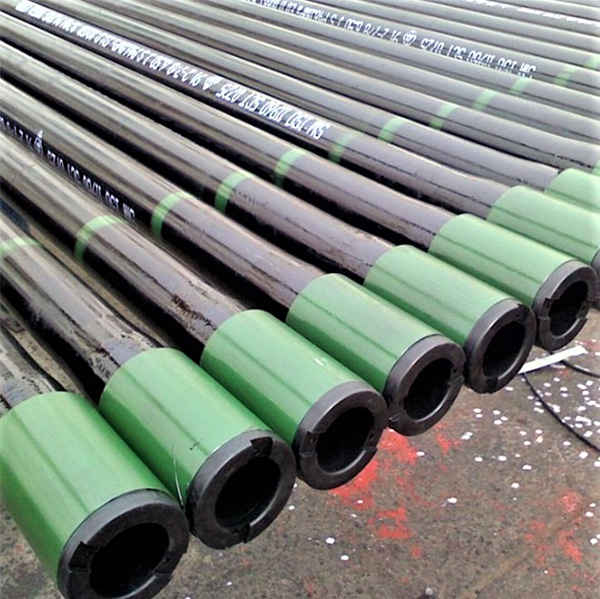 تلعب مواد تغليف النفط دورًا حاسمًا في صناعة النفط والغاز، حيث تتعرض لظروف قاسية مثل درجات الحرارة المرتفعة والبيئات المسببة للتآكل. من بين المواد المختلفة المستخدمة في تغليف النفط، حظيت سبائك التيتانيوم باهتمام كبير بسبب خصائصها الاستثنائية التي تجعلها مناسبة لتطبيقات درجات الحرارة العالية. في هذه المقالة، سوف نتعمق في التطورات المبتكرة في أداء درجات الحرارة العالية لمواد غلاف زيت سبائك التيتانيوم.
تشتهر سبائك التيتانيوم بنسبة قوتها إلى وزنها العالية، ومقاومتها الممتازة للتآكل، وخصائصها الميكانيكية المثيرة للإعجاب. هذه الخصائص تجعلها مثالية للاستخدام في البيئات الصعبة حيث قد تفشل المواد التقليدية في الأداء الفعال. في سياق غلاف الزيت، تعد قدرة سبائك التيتانيوم على تحمل درجات الحرارة العالية دون المساس بسلامتها الهيكلية مفيدة بشكل خاص. أداء درجة الحرارة. من خلال اختيار عناصر صناعة السبائك بعناية وتحسين البنية المجهرية للمادة، تمكن الباحثون من تحسين الاستقرار الحراري والقوة الميكانيكية لسبائك التيتانيوم، مما يجعلها أكثر مرونة لظروف الحرارة الشديدة التي تواجهها في آبار النفط.
علاوة على ذلك، المعالجات السطحية و تم استخدام الطلاءات لتعزيز أداء درجات الحرارة العالية لمواد غلاف زيت سبائك التيتانيوم. لا تعمل هذه المعالجات على تحسين مقاومة المادة للتآكل والتآكل فحسب، بل تساعد أيضًا في تخفيف آثار التدهور الحراري عند درجات الحرارة المرتفعة. من خلال تطبيق الطلاءات الواقية، يمكن تمديد عمر وموثوقية مواد غلاف زيت سبائك التيتانيوم بشكل كبير.
بالإضافة إلى تكوين المواد والمعالجات السطحية، شهدت عمليات تصميم وتصنيع مواد غلاف زيت سبائك التيتانيوم أيضًا تطورات ملحوظة. لقد مكنت الابتكارات في تقنيات التصنيع المضافة من إنتاج أشكال هندسية معقدة وهياكل مخصصة تعمل على تحسين أداء المادة في ظل ظروف درجات الحرارة العالية. من خلال الاستفادة من مرونة التصنيع الإضافي، يمكن للمهندسين تصميم خصائص مواد غلاف زيت سبائك التيتانيوم لتلبية متطلبات تشغيلية محددة.
علاوة على ذلك، ركزت الجهود البحثية على تعزيز مقاومة التعب وصلابة الكسر لمواد غلاف زيت سبائك التيتانيوم لضمان متانتها الموثوقية في البيئات القاسية. من خلال إجراء اختبارات وتحليلات شاملة، تمكن العلماء من تحديد آليات الفشل المحتملة وتنفيذ تعديلات التصميم التي تعمل على تحسين مقاومة المادة للضغوط الحرارية والميكانيكية.
بشكل عام، الابتكار المستمر في أداء درجات الحرارة العالية لمواد غلاف زيت سبائك التيتانيوم. ويؤكد التزام الصناعة بتطوير التكنولوجيا وتحسين الكفاءة التشغيلية في مجال التنقيب عن النفط والغاز. من خلال تسخير الخصائص الفريدة لسبائك التيتانيوم والاستفادة من أحدث الأبحاث والتطوير، يمهد المهندسون والباحثون الطريق للجيل القادم من مواد أغلفة الزيت المتينة وعالية الأداء التي يمكنها تحمل قسوة البيئات ذات درجات الحرارة العالية.
Oil Casing Materials play a crucial role in the Oil and Gas industry, where they are subjected to extreme conditions such as high temperatures and corrosive environments. Among the various materials used for oil casing, Titanium Alloys have gained significant attention due to their exceptional properties that make them suitable for high-temperature applications. In this article, we will delve into the innovative advancements in the high-temperature performance of titanium alloy oil casing materials.
Titanium alloys are known for their High strength-to-Weight ratio, excellent Corrosion resistance, and impressive mechanical properties. These characteristics make them ideal for use in demanding environments where traditional materials may fail to perform effectively. In the context of oil casing, the ability of titanium alloys to withstand high temperatures without compromising their structural integrity is particularly advantageous.
One of the key innovations in titanium alloy oil casing materials is the development of advanced alloy compositions that enhance their high-temperature performance. By carefully selecting the alloying elements and optimizing the microstructure of the material, researchers have been able to improve the thermal stability and mechanical strength of titanium alloys, making them more resilient to extreme heat conditions encountered in Oil Wells.
Furthermore, surface treatments and coatings have been employed to further enhance the high-temperature performance of titanium alloy oil casing materials. These treatments not only improve the material’s resistance to corrosion and wear but also help mitigate the effects of thermal degradation at elevated temperatures. By applying protective coatings, the longevity and reliability of titanium alloy oil casing materials can be significantly extended.
In addition to material composition and surface treatments, the design and manufacturing processes of titanium alloy oil casing materials have also seen notable advancements. Innovations in additive manufacturing techniques have enabled the production of complex geometries and customized structures that optimize the material’s performance under high-temperature conditions. By leveraging the flexibility of additive manufacturing, engineers can tailor the properties of titanium alloy oil casing materials to meet specific operational requirements.
Moreover, research efforts have focused on enhancing the fatigue resistance and fracture toughness of titanium alloy oil casing materials to ensure their reliability in harsh environments. By conducting thorough testing and analysis, scientists have been able to identify potential failure mechanisms and implement design modifications that improve the material’s resistance to thermal and mechanical stresses.
Overall, the continuous innovation in the high-temperature performance of titanium alloy oil casing materials underscores the industry’s commitment to advancing technology and improving operational efficiency in oil and gas exploration. By harnessing the unique properties of titanium alloys and leveraging cutting-edge research and development, engineers and researchers are paving the way for the next generation of durable and high-performance oil casing materials that can withstand the rigors of high-temperature environments.