نظرة عامة على أنابيب النفط: ما هي وكيف تعمل
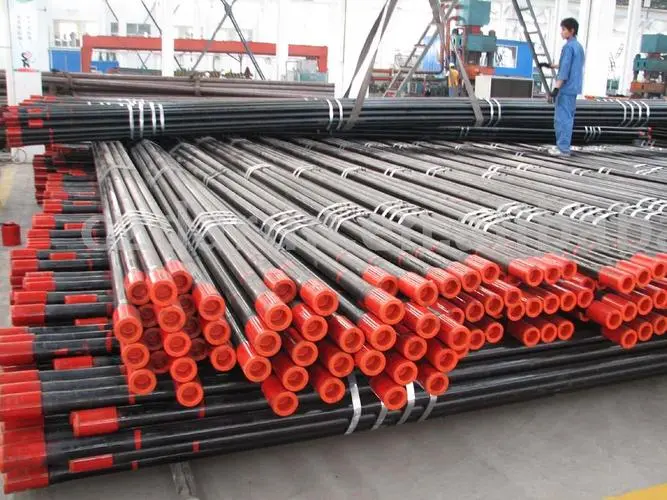
تُصنع أنابيب النفط عادةً من الفولاذ، ولكن يمكن أيضًا تصنيعها من مواد أخرى مثل البلاستيك أو المطاط. الأنابيب الفولاذية هي النوع الأكثر شيوعًا من أنابيب النفط، لأنها قوية ومتينة. كما أن الأنابيب الفولاذية مقاومة للتآكل، مما يجعلها مثالية لنقل النفط والغاز.
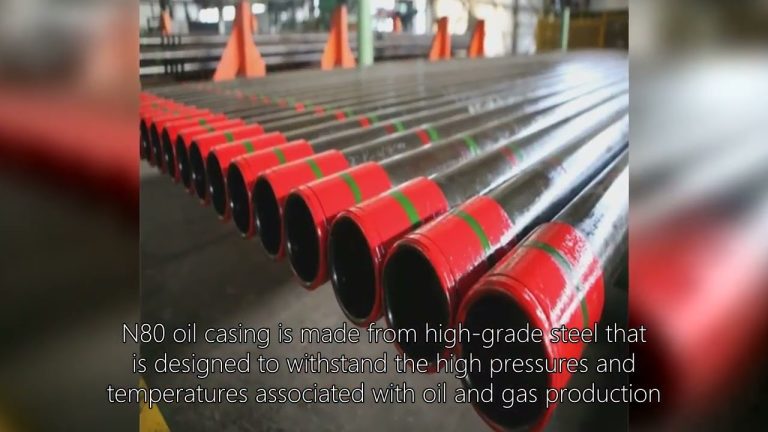
تم تصميم أنابيب النفط لنقل النفط والغاز من المصدر إلى المستخدم النهائي. تم تصميم الأنابيب لتحمل ضغط النفط والغاز، وكذلك درجة الحرارة والظروف البيئية الأخرى. تم تصميم الأنابيب أيضًا لتكون مانعة للتسرب، بحيث يمكن نقل النفط والغاز بأمان وأمان.
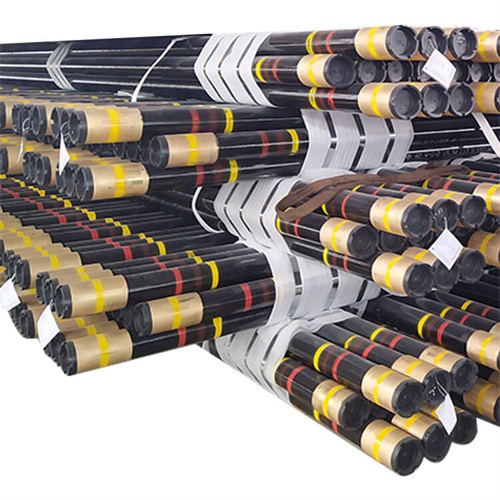
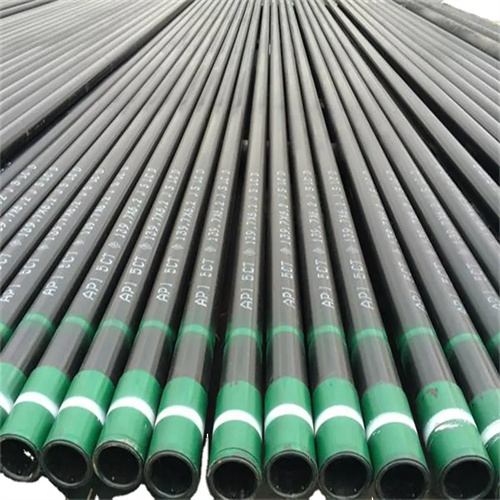
تأتي أنابيب النفط في مجموعة متنوعة من الأحجام والمواد، اعتمادًا على احتياجات صناعة النفط والغاز. أكثر أنواع أنابيب الزيت شيوعًا هي الأنابيب غير الملحومة والأنابيب الملحومة والأنابيب الملولبة. الأنابيب غير الملحومة هي النوع الأكثر شيوعًا من أنابيب النفط، لأنها قوية ومتينة. كما أن الأنابيب الملحومة قوية ومتينة، ولكنها أكثر تكلفة من الأنابيب غير الملحومة. الأنابيب الملولبة هي أقل أنواع أنابيب النفط تكلفة، لكنها ليست قوية أو متينة مثل الأنواع الأخرى.
تعتبر أنابيب النفط جزءًا أساسيًا من صناعة النفط والغاز. وهي مصممة لنقل النفط والغاز من المصدر إلى المستخدم النهائي، وتأتي في مجموعة متنوعة من الأحجام والمواد. إن فهم الأنواع المختلفة لأنابيب النفط وكيفية عملها يمكن أن يساعدك على اتخاذ القرار الأفضل الذي يناسب احتياجاتك.
Oil Pipes are typically made from Steel, but they can also be made from other Materials such as plastic or rubber. Steel Pipes are the most common type of oil pipe, as they are strong and durable. Steel Pipes are also resistant to corrosion, which makes them ideal for transporting Oil and Gas.
Oil pipes are designed to transport oil and gas from the source to the end user. The pipes are designed to withstand the pressure of the oil and gas, as well as the temperature and other environmental conditions. The pipes are also designed to be leak-proof, so that the oil and gas can be transported safely and securely.
Oil pipes come in a variety of sizes and materials, depending on the needs of the oil and gas industry. The most common types of oil pipes are Seamless Pipes, Welded Pipes, and Threaded pipes. Seamless pipes are the most common type of oil pipe, as they are strong and durable. Welded pipes are also strong and durable, but they are more expensive than seamless pipes. Threaded pipes are the least expensive type of oil pipe, but they are not as strong or durable as the other types.
Oil pipes are an essential part of the oil and gas industry. They are designed to transport oil and gas from the source to the end user, and they come in a variety of sizes and materials. Understanding the different types of oil pipes and how they work can help you make the best decision for your needs.