أساليب مبتكرة للحصول على مواد مميزة لتطبيقات تغليف الزيوت
تأثير اختيار المواد على أداء وطول عمر أنظمة تغليف الزيت

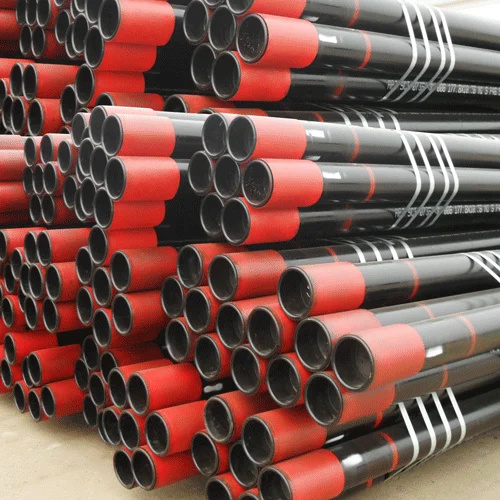
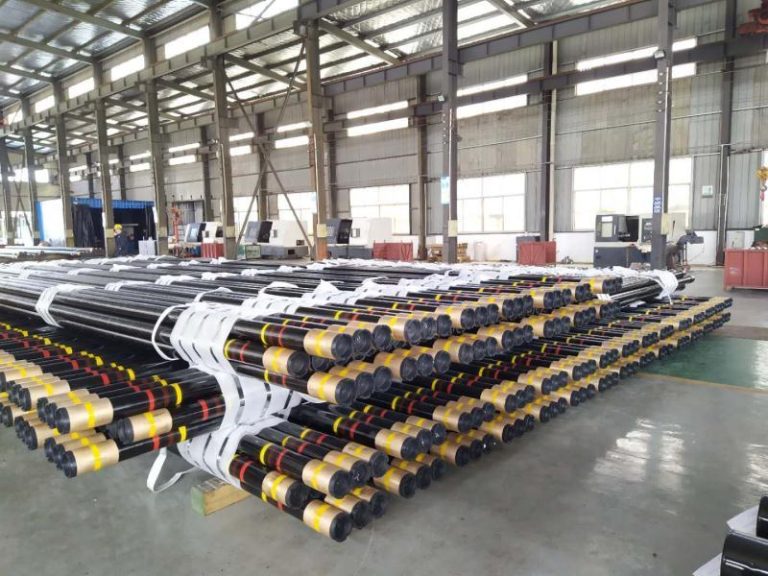
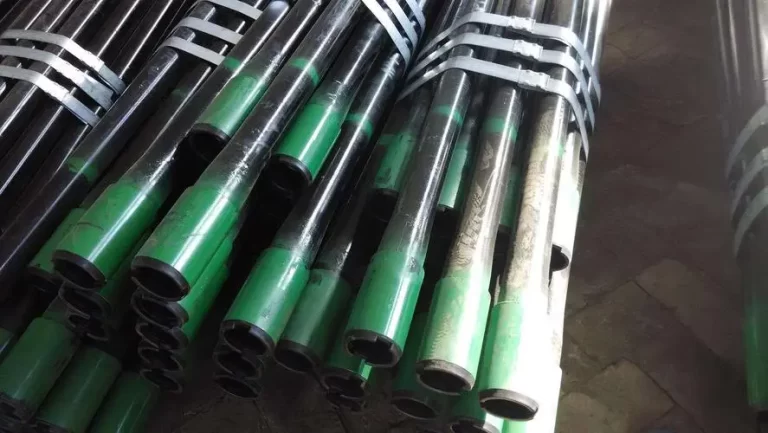
يعد اختيار المواد لأنظمة تغليف النفط عاملاً حاسماً يؤثر بشكل كبير على أداء وطول عمر هذه المكونات الأساسية في صناعة النفط والغاز. ويعمل الغلاف النفطي بمثابة حاجز وقائي يحافظ على سلامة حفرة البئر، مما يضمن بقاء التكوينات الجيولوجية المحيطة مستقرة مع منع تسرب الهيدروكربونات والسوائل الأخرى. وبالتالي، فإن اختيار المواد المستخدمة في بناء أنظمة تغليف النفط أمر بالغ الأهمية، لأنه لا يؤثر بشكل مباشر على الكفاءة التشغيلية فحسب، بل يؤثر أيضًا على السلامة والأثر البيئي لأنشطة الحفر.
أحد الاعتبارات الأساسية في اختيار المواد هو الميكانيكية خصائص الغلاف. يجب أن تتمتع المادة بالقوة الكافية لتحمل الضغوط العالية والإجهادات التي تواجهها أثناء عمليات الحفر والإنتاج. لقد كان الفولاذ، وخاصة الفولاذ الكربوني، هو المادة المفضلة تقليديًا نظرًا لقوة الشد الممتازة والمتانة. ومع ذلك، يمكن أن تختلف درجات الفولاذ المستخدمة، حيث توفر الدرجات الأعلى مقاومة معززة للتشوه والفشل في ظل الظروف القاسية. يمكن أن يؤدي دمج عناصر السبائك، مثل الكروم والنيكل، إلى تحسين مقاومة التآكل والأداء العام للغلاف، خاصة في البيئات التي توجد فيها سوائل عدوانية.
بالإضافة إلى القوة الميكانيكية، تعد مقاومة التآكل جانبًا مهمًا آخر من اختيار المواد. غالبًا ما تواجه آبار النفط مواد قابلة للتآكل، بما في ذلك كبريتيد الهيدروجين وثاني أكسيد الكربون، مما قد يؤدي إلى تدهور كبير في مادة التغليف بمرور الوقت. إن استخدام السبائك المقاومة للتآكل، مثل الفولاذ المقاوم للصدأ أو الطلاءات المتخصصة، يمكن أن يخفف من هذه المخاطر ويطيل عمر الغلاف. علاوة على ذلك، أدت التطورات في علوم المواد إلى تطوير مواد مركبة تجمع بين فوائد المعادن التقليدية مع تعزيز المقاومة للتآكل والتآكل. يمكن لهذه المواد المبتكرة أن توفر عمر خدمة أطول، مما يقلل الحاجة إلى عمليات الإصلاح والاستبدال المكلفة.
علاوة على ذلك، يجب أيضًا أخذ الخصائص الحرارية لمواد الغلاف في الاعتبار. أثناء الحفر والإنتاج، يمكن أن تتقلب درجة الحرارة داخل البئر بشكل كبير، مما قد يؤثر على سلامة الغلاف. تعتبر المواد التي يمكنها تحمل درجات الحرارة العالية دون أن تفقد خواصها الميكانيكية ضرورية للحفاظ على السلامة الهيكلية للغلاف بمرور الوقت. وهذا مهم بشكل خاص في عمليات الحفر في المياه العميقة، حيث يمكن أن يؤدي الجمع بين الضغط العالي ودرجة الحرارة إلى خلق ظروف صعبة لمواد التغليف التقليدية.
هناك عامل آخر يؤثر على اختيار المواد وهو التأثير البيئي للمواد المستخدمة. تخضع صناعة النفط والغاز لتدقيق متزايد فيما يتعلق بأثرها البيئي، ويمكن أن يلعب اختيار مواد التغليف دورًا في تقليل هذا التأثير. تكتسب الممارسات المستدامة، مثل استخدام المواد المعاد تدويرها أو تطوير المركبات القابلة للتحلل الحيوي، زخمًا حيث تسعى الشركات إلى تقليل بصمتها البيئية مع الحفاظ على الكفاءة التشغيلية.
في الختام، تأثير اختيار المواد على أداء النفط وطول عمره لا يمكن المبالغة في تقدير أنظمة الغلاف. ويساهم التفاعل بين القوة الميكانيكية ومقاومة التآكل والثبات الحراري والاعتبارات البيئية في الفعالية الشاملة للغلاف في حماية حفرة البئر وضمان استخراج النفط بشكل آمن وفعال. ومع استمرار تطور الصناعة، سيكون البحث والتطوير المستمر في علوم المواد ضروريًا لمواجهة التحديات التي تفرضها بيئات الحفر المعقدة بشكل متزايد. ومن خلال إعطاء الأولوية للمواد المميزة التي تعزز الأداء والمتانة، لا يستطيع المشغلون تحسين كفاءة عملياتهم فحسب، بل يساهمون أيضًا في مستقبل أكثر استدامة لقطاع النفط والغاز.
The Impact of Material Selection on the Performance and Longevity of Oil Casing Systems
The selection of materials for oil casing systems is a critical factor that significantly influences both the performance and longevity of these essential components in the Oil and Gas industry. Oil casing serves as a protective barrier that maintains the integrity of the wellbore, ensuring that the surrounding geological formations remain stable while preventing the escape of hydrocarbons and other fluids. Consequently, the choice of materials used in the Construction of oil casing systems is paramount, as it directly affects not only the operational efficiency but also the safety and environmental impact of drilling activities.
One of the primary considerations in material selection is the mechanical properties of the casing. The material must possess sufficient strength to withstand the high pressures and stresses encountered during drilling and production operations. Steel, particularly Carbon steel, has traditionally been the material of choice due to its excellent tensile strength and durability. However, the specific grades of steel used can vary, with higher grades offering enhanced resistance to deformation and failure under extreme conditions. The incorporation of alloying elements, such as chromium and nickel, can further improve the Corrosion resistance and overall performance of the casing, particularly in environments where aggressive fluids are present.
In addition to mechanical strength, the resistance to corrosion is another critical aspect of material selection. Oil Wells often encounter corrosive substances, including hydrogen sulfide and carbon dioxide, which can lead to significant degradation of the casing material over time. The use of corrosion-resistant alloys, such as Stainless Steel or specialized coatings, can mitigate these risks and extend the lifespan of the casing. Furthermore, advancements in material science have led to the development of composite materials that combine the benefits of traditional metals with enhanced resistance to corrosion and wear. These innovative materials can provide a longer service life, reducing the need for costly Repairs and replacements.
Moreover, the thermal properties of the casing material must also be taken into account. During drilling and production, the temperature within the well can fluctuate dramatically, which can affect the integrity of the casing. Materials that can withstand high temperatures without losing their mechanical properties are essential for maintaining the structural integrity of the casing over time. This is particularly important in deep-water drilling operations, where the combination of high pressure and temperature can create challenging conditions for traditional casing materials.
Another factor influencing material selection is the environmental impact of the materials used. The oil and gas industry is under increasing scrutiny regarding its environmental footprint, and the choice of casing materials can play a role in minimizing this impact. Sustainable practices, such as the use of recycled materials or the development of biodegradable composites, are gaining traction as Companies seek to reduce their ecological footprint while maintaining operational efficiency.
In conclusion, the impact of material selection on the performance and longevity of oil casing systems cannot be overstated. The interplay of mechanical strength, corrosion resistance, thermal stability, and environmental considerations all contribute to the overall effectiveness of the casing in protecting the wellbore and ensuring safe and efficient oil extraction. As the industry contiNues to evolve, ongoing research and development in material science will be essential to meet the challenges posed by increasingly complex drilling environments. By prioritizing distinctive materials that enhance performance and durability, operators can not only improve the efficiency of their operations but also contribute to a more sustainable future for the oil and gas sector.
https://youtube.com/watch?v=cfXZde_zGT8