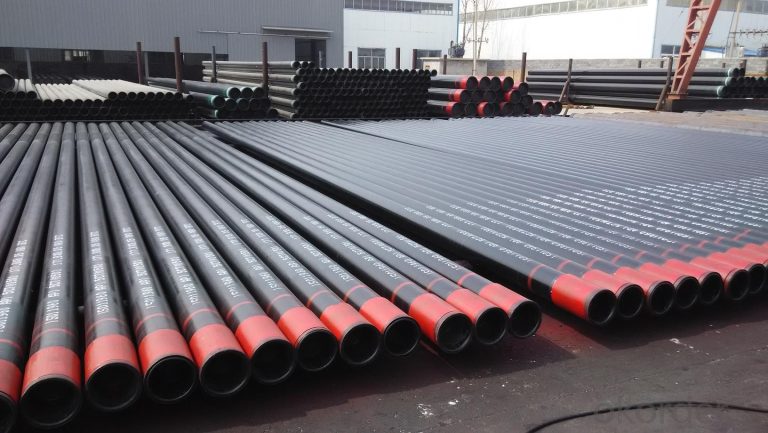
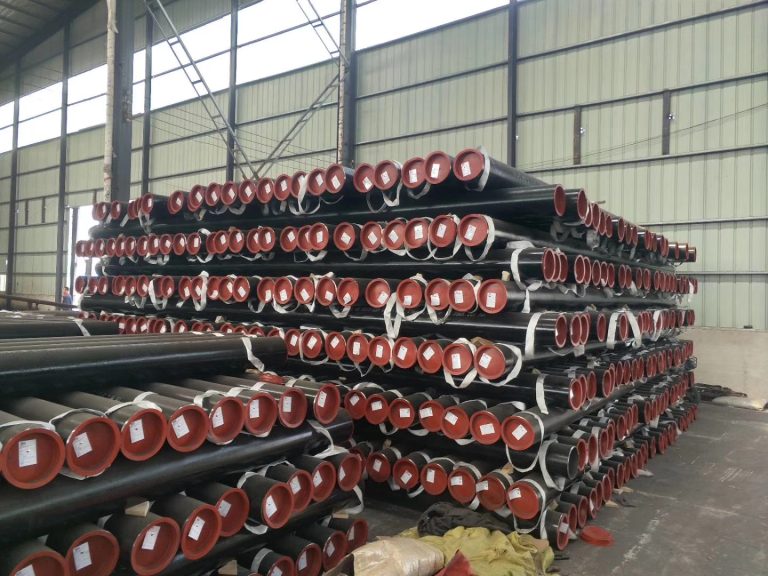
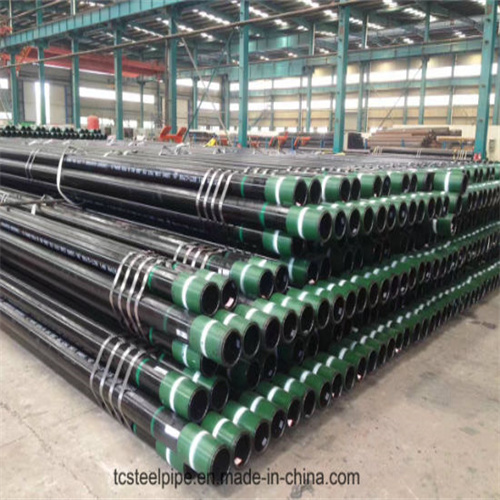
اتجاهات وتوقعات سوق أغلفة النفط الجديدة
شراء علب زيت المحرك عبر الإنترنت
العوامل الرئيسية المؤثرة على الطلب على أغلفة النفط في عمليات الاستكشاف
يلعب سوق أغلفة النفط دوراً حاسماً في استكشاف وإنتاج النفط والغاز، حيث يعمل كبطانة واقية للآبار ويضمن سلامة عملية الحفر. هناك العديد من العوامل الرئيسية التي تؤثر على الطلب على غلاف النفط في أنشطة الاستكشاف، وفهم هذه العناصر أمر ضروري لأصحاب المصلحة في الصناعة. أحد المحركات الرئيسية للطلب على أغلفة النفط هو النمو الإجمالي في قطاع النفط والغاز، والذي غالبًا ما يتأثر بأنماط استهلاك الطاقة العالمية. مع توسع الاقتصادات وزيادة احتياجات الطاقة، يصبح استكشاف حقول النفط الجديدة أمرًا ضروريًا، مما يعزز الحاجة إلى أغلفة النفط.
بالإضافة إلى النمو الاقتصادي، تؤثر التطورات التكنولوجية في تقنيات الحفر بشكل كبير على الطلب على أغلفة النفط. لقد أدت الابتكارات مثل الحفر الأفقي والتكسير الهيدروليكي إلى تحويل مشهد الاستكشاف، مما سمح باستخراج النفط من احتياطيات لم يكن من الممكن الوصول إليها في السابق. تتطلب هذه الأساليب المتقدمة استخدام مواد تغليف عالية الجودة يمكنها تحمل الضغوط الشديدة والبيئات المسببة للتآكل، مما يزيد من دفع السوق. بينما يسعى المشغلون إلى تحسين الإنتاج وتقليل المخاطر التشغيلية، فإن الطلب على حلول التغليف المتخصصة المصممة خصيصًا لظروف جيولوجية محددة آخذ في الارتفاع أيضًا.
علاوة على ذلك، تلعب الأطر التنظيمية والاعتبارات البيئية دورًا محوريًا في تشكيل سوق أغلفة النفط. تنفذ الحكومات في جميع أنحاء العالم بشكل متزايد لوائح صارمة تهدف إلى تقليل الآثار البيئية المرتبطة بأنشطة الحفر. وقد أدى ذلك إلى زيادة التركيز على استخدام مواد غلاف متينة وصديقة للبيئة. ونتيجة لذلك، يضطر المصنعون إلى ابتكار وتطوير منتجات لا تلبي المعايير التنظيمية فحسب، بل تعزز أيضًا استدامة ممارسات الاستكشاف. ونتيجة لذلك، من المتوقع أن ينمو الطلب على أغلفة النفط التي تتوافق مع هذه الأهداف البيئية.
هناك عامل مهم آخر يؤثر على الطلب على أغلفة النفط وهو تقلب أسعار النفط. يمكن أن تؤدي التقلبات في أسعار النفط الخام إلى تغييرات في ميزانيات الاستكشاف واستراتيجيات الاستثمار. عندما تكون أسعار النفط مرتفعة، تميل أنشطة الاستكشاف إلى الزيادة، مما يؤدي إلى ارتفاع الطلب على غلاف النفط. وعلى العكس من ذلك، خلال فترات انخفاض الأسعار، قد تقوم الشركات بتقليص جهودها الاستكشافية، مما يؤدي إلى انخفاض متطلبات الغلاف. تتطلب هذه الطبيعة الدورية لسوق النفط أن يظل أصحاب المصلحة مرنين ومستجيبين لتغيرات الأسعار، مما يضمن قدرتهم على تكييف استراتيجياتهم وفقًا لذلك.
علاوة على ذلك، تساهم العوامل الجيوسياسية وديناميكيات السوق أيضًا في الطلب على غلاف النفط في عمليات الاستكشاف. يمكن أن يؤثر الاستقرار السياسي في المناطق المنتجة للنفط بشكل كبير على أنشطة الاستكشاف، حيث من المرجح أن تستثمر الشركات في المناطق التي ترى فيها مخاطر أقل. وعلى العكس من ذلك، فإن عدم الاستقرار يمكن أن يعيق الاستثمار ويؤدي إلى انخفاض جهود الاستكشاف، وبالتالي التأثير على الطلب على الغلاف. بالإضافة إلى ذلك، يمكن أن تؤثر المنافسة بين الدول المنتجة للنفط وظهور لاعبين جدد في السوق على ديناميكيات العرض والطلب، مما يزيد من تعقيد المشهد.
أخيرًا، لا يمكن التغاضي عن التركيز المتزايد على تنويع الطاقة والانتقال إلى مصادر الطاقة المتجددة. وفي حين يظل قطاع النفط والغاز عنصراً حيوياً في مزيج الطاقة العالمي، فإن التركيز المتزايد على الاستدامة قد يؤدي إلى تحولات في أولويات الاستكشاف. بينما تستكشف الشركات حلول الطاقة البديلة، قد يواجه الطلب على أغلفة النفط تقلبات بناءً على مشهد الطاقة المتطور. في الختام، يتأثر سوق أغلفة النفط بعدد لا يحصى من العوامل، بما في ذلك النمو الاقتصادي، والتقدم التكنولوجي، والأطر التنظيمية، وتقلب أسعار النفط، والديناميكيات الجيوسياسية، والانتقال إلى الطاقة المتجددة. يعد فهم هذه المحركات الرئيسية أمرًا ضروريًا لأصحاب المصلحة في الصناعة أثناء تعاملهم مع تعقيدات سوق أغلفة النفط في التنقيب.
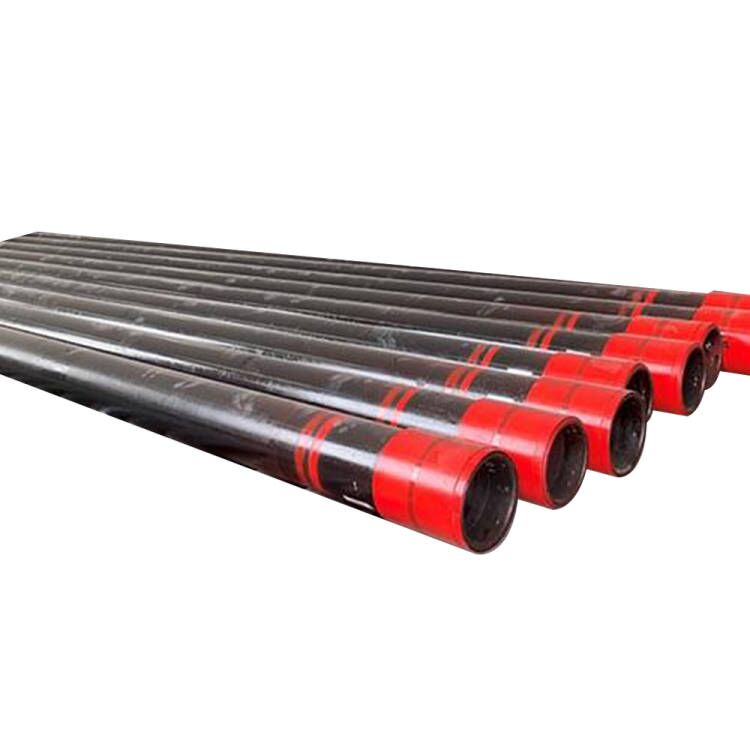
In addition to technological advancements, geopolitical factors and market volatility are also influencing the Oil Casing market. Fluctuations in oil Prices can lead to changes in exploration and production budgets, which in turn affect the demand for oil casing products. For instance, during periods of high oil prices, Companies are more likely to invest in new drilling projects, thereby increasing the demand for casings. Conversely, when prices decline, operators may scale back their activities, leading to a temporary slowdown in the market. Therefore, understanding these market dynamics is crucial for stakeholders looking to navigate the complexities of the oil casing industry.
Looking ahead, the oil casing market is poised for growth, driven by the increasing need for energy security and the ongoing exploration of new reserves. As countries strive to meet their energy demands, the importance of reliable and efficient oil casing solutions will only contiNue to rise. Furthermore, the ongoing transition towards renewable energy sources is likely to create new opportunities for innovation within the oil casing sector. Companies that can adapt to these changes and invest in sustainable practices will be well-positioned to c APItalize on emerging trends.
In conclusion, the oil casing market is experiencing a period of significant change, influenced by technological advancements, sustainability initiatives, and market dynamics. As the industry evolves, stakeholders must remain vigilant and responsive to these trends to ensure their competitiveness in a rapidly changing environment. The future of the oil casing market will undoubtedly be shaped by tHose who embrace innovation and prioritize sustainability, ultimately leading to a more resilient and efficient energy sector.
Key Factors Influencing Oil Casing Demand in Exploration
The oil casing market plays a crucial role in the exploration and production of Oil and Gas, serving as a protective lining for wells and ensuring the integrity of the drilling process. Several key factors influence the demand for oil casing in exploration activities, and understanding these elements is essential for stakeholders in the industry. One of the primary drivers of oil casing demand is the overall growth in the oil and gas sector, which is often influenced by global energy consumption patterns. As economies expand and energy needs increase, the exploration of new oil fields becomes imperative, thereby boosting the requirement for oil casing.
In addition to economic growth, technological advancements in drilling techniques significantly impact oil casing demand. Innovations such as horizontal drilling and hydraulic fracturing have transformed the exploration landscape, allowing for the extraction of oil from previously inaccessible reserves. These advanced methods necessitate the use of high-quality casing Materials that can withstand extreme pressures and corrosive environments, further driving the market. As operators seek to optimize production and reduce operational risks, the demand for specialized casing solutions tailored to specific geological conditions is also on the rise.
Moreover, regulatory frameworks and environmental considerations play a pivotal role in shaping the oil casing market. Governments worldwide are increasingly implementing stringent regulations aimed at minimizing environmental impacts associated with drilling activities. This has led to a heightened focus on the use of durable and environmentally friendly casing materials. Consequently, Manufacturers are compelled to innovate and develop products that not only meet regulatory standards but also enhance the sustainability of exploration practices. As a result, the demand for oil casing that aligns with these environmental goals is expected to grow.
Another significant factor influencing oil casing demand is the volatility of oil prices. Fluctuations in crude oil prices can lead to changes in exploration budgets and investment strategies. When oil prices are high, exploration activities tend to increase, resulting in a higher demand for oil casing. Conversely, during periods of low prices, companies may scale back their exploration efforts, leading to a decline in casing requirements. This cyclical nature of the oil market necessitates that stakeholders remain agile and responsive to price changes, ensuring that they can adapt their strategies accordingly.
Furthermore, geopolitical factors and market dynamics also contribute to the demand for oil casing in exploration. Political stability in oil-producing regions can significantly affect exploration activities, as companies are more likely to invest in areas where they perceive lower risks. Conversely, instability can deter investment and lead to a reduction in exploration efforts, thereby impacting the demand for casing. Additionally, competition among oil-producing nations and the emergence of new players in the market can influence supply and demand dynamics, further complicating the landscape.
Lastly, the growing emphasis on energy diversification and the transition to renewable energy sources cannot be overlooked. While the oil and gas sector remains a vital component of the global energy mix, the increasing focus on sustainability may lead to shifts in exploration priorities. As companies explore alternative energy solutions, the demand for oil casing may experience fluctuations based on the evolving energy landscape. In conclusion, the oil casing market is influenced by a myriad of factors, including economic growth, technological advancements, regulatory frameworks, oil price volatility, geopolitical dynamics, and the transition to renewable energy. Understanding these key drivers is essential for industry stakeholders as they navigate the complexities of the oil casing market in exploration.