استراتيجيات مبتكرة لتحسين سير عمل عملية تصنيع أغلفة الزيت في مرافق الإنتاج
لطالما كانت صناعة النفط والغاز في طليعة التقدم التكنولوجي. لقد أحدثت جهودها المستمرة نحو التحسين وزيادة الفعالية ثورة في القطاع بأكمله. أحد المجالات المهمة التي أثبتت فيها هذه الاستراتيجيات المبتكرة فعاليتها العالية هو سير عمل عملية تصنيع أغلفة الزيت داخل منشآت الإنتاج.
يعد تصنيع أنابيب أغلفة الزيت جانبًا حاسمًا في صناعة النفط والغاز. إنها مكونات لا غنى عنها في أنشطة الحفر، مما يضمن النقل السلس للنفط أو الغاز إلى السطح. ومع ذلك، فإن عملية تصنيع أنابيب التغليف هذه غالبًا ما تتضمن إجراءات كثيفة العمالة وتستغرق وقتًا طويلاً ومكلفة، وكلها عرضة للأخطاء المحتملة وعدم الكفاءة. وقد دفع هذا إلى الحاجة إلى تطوير وتنفيذ استراتيجيات جديدة تهدف إلى تحسين هذه العمليات.
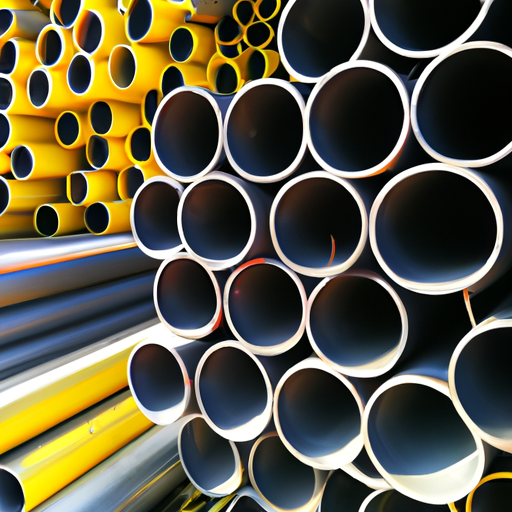
تأثير تحسين سير العمل على عمليات تصنيع أغلفة الزيت في منشآت الإنتاج
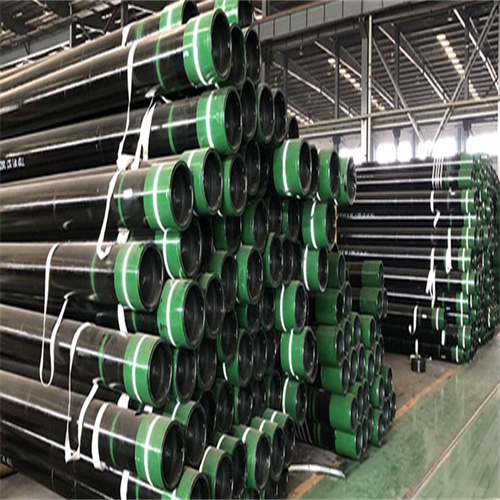
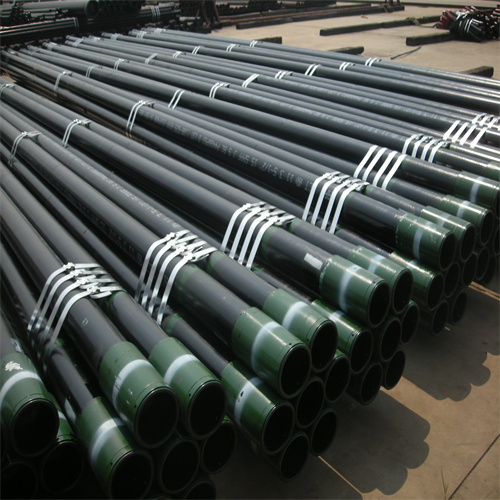
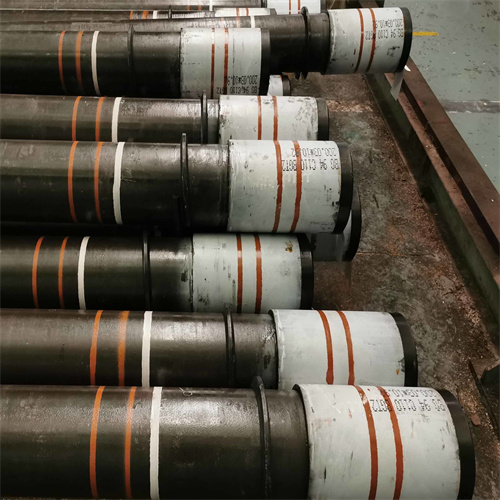
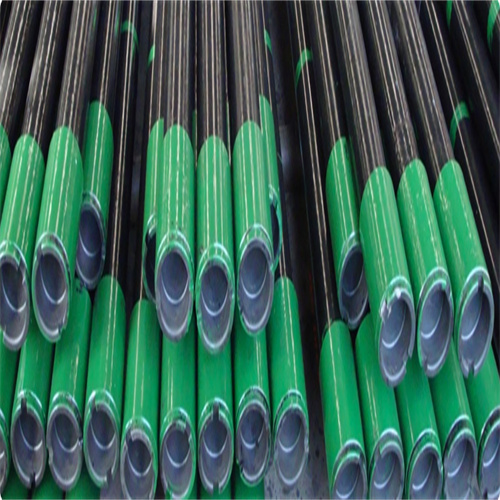
API 5ct N80-Q غلاف أفضل المصانع الصينية
Workflow optimization plays a significant role in enhancing the efficiency and productivity of Oil Casing manufacturing in production facilities. Optimizing the operations sequences can lead to a decrease in manufacturing time, reduction in cost, and a remarkable increase in the quality of the produced cases. The key benefit of workflow optimization is that it leverages the strengths of the facility’s assets (people, technology, and processes), reducing wasted efforts and driving greater business results.
Workflow optimization in oil casing manufacturing often starts with diligent mapping of the existing processes. This involves analyzing every step of the manufacturing process from the reception of the raw Materials, preparation, actual production, up to the final quality assurance stage. This careful examination provides an in-depth understanding of the processes, pinpoints inefficient operations, and consequently, allows for the identification of areas of improvement.
Implementing new, more efficient ways of performing tasks is another critical aspect of workflow optimization. Lean manufacturing principles can be adopted at this stage. These principles, premised on eliminating waste, enhance a continuous flow of production and encourage a ‘do it right the first time’ approach, thereby reducing rework costs and time wastages. For example, the batch processing method, which has been predominant for many years in the oil casing industry, can be replaced with a single-piece flow production layout. This shift from one big batch processing to the individual casing processing can result in fewer production errors and shorter manufacturing times.
Another crucial stage in workflow optimization is the integration of technology. Technological advancements like automated production equipment and manufacturing execution systems (MES) can greatly enhance manufacturing processes. For instance, automated equipment can handle repetitive, labor-intensive tasks, thereby freeing employees to focus on tasks that require higher cognitive skills. On the other hand, MES can simultaneously manage and monitor work-in-progress on a Factory floor. It provides accurate and timely information that aids in critical decision-making processes.
The final, yet equally vital step of improving the workflow in oil casing manufacturing in production facilities is the continuous review and assessment of the optimized processes. This step is essential because it helps in rapidly identifying and rectifying any setback that could hinder productivity. The use of key performance indicators (KPIs) to measure the effectiveness of various processes and functionalities can be beneficial. Furthermore, a feedback loop involving all the stakeholders guarantees a holistic review process, maximizes learnings, and keeps everyone accountable and engaged in process improvement.
In conclusion, workflow optimization in oil casing manufacturing is of utmost importance in the modern production environment. It offers a platform for achieving cost-efficiency, superior product quality, ensuring employee safety, timely products delivery, and ultimately, boosting the Company’s bottom-line. Therefore, production facilities should commit to this continuous journey to enjoy these numerous benefits and to stay competitive in today’s volatile Oil and Gas industry.