التحديات التي تواجه التحليل البيئي لتكنولوجيا أغلفة النفط
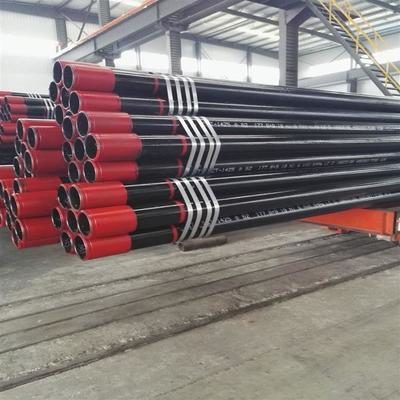
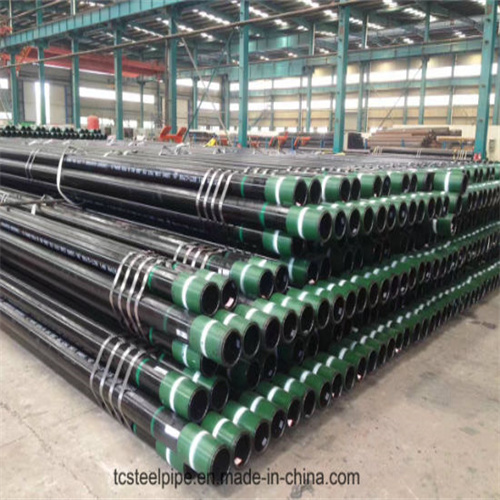
أنبوب زيت للبيع
هناك تحد كبير آخر في تحليل بيئة تكنولوجيا أغلفة النفط وهو الحاجة إلى تحقيق التوازن بين فعالية التكلفة والأداء والموثوقية. تتعرض شركات النفط والغاز لضغوط مستمرة لخفض التكاليف مع الحفاظ على معايير عالية من السلامة والكفاءة التشغيلية. وهذا يتطلب تقييمًا دقيقًا لمواد التغليف المختلفة والتصميمات وتقنيات التثبيت للعثور على الحل الأمثل الذي يلبي المتطلبات الفنية والمالية.
فرص التزامن في التحليل البيئي لتكنولوجيا تغليف النفطتلعب تكنولوجيا أغلفة النفط دورًا حاسمًا في صناعة النفط والغاز، حيث توفر الدعم الهيكلي والحماية للآبار. مع استمرار تطور الصناعة، أصبحت التحديات والفرص في تحليل بيئة تكنولوجيا أغلفة النفط ذات أهمية متزايدة. تكمن إحدى الفرص الرئيسية في المزامنة، حيث يمكن للتقدم التكنولوجي أن يعزز الكفاءة والفعالية في جميع المجالات.
في مجال تكنولوجيا أغلفة الزيت، توفر المزامنة طريقًا لتبسيط العمليات وتحسين الأداء. ومن خلال مواءمة المكونات والعمليات المختلفة، يمكن للشركات تحقيق قدر أكبر من التنسيق والتآزر. يمتد هذا التزامن إلى ما هو أبعد من مجرد الجوانب المادية لتقنية الغلاف؛ فهو يشمل تحليل البيانات، والصيانة التنبؤية، وعمليات اتخاذ القرار الشاملة.
أحد التحديات الأساسية في تحليل بيئة تكنولوجيا غلاف النفط هو تعقيد الأنظمة المعنية. مع وجود متغيرات متعددة، قد يكون ضمان المزامنة في جميع المجالات مهمة شاقة. ومع ذلك، فإن هذا التعقيد يمثل أيضًا فرصة للابتكار والتحسين. من خلال الاستفادة من التحليلات المتقدمة وخوارزميات التعلم الآلي، يمكن للشركات الحصول على رؤى أعمق حول عملياتها واتخاذ قرارات أكثر استنارة.
التحدي الآخر في بيئة تكنولوجيا أغلفة النفط هو الحاجة إلى تعزيز السلامة والاستدامة البيئية. يمكن أن يلعب التزامن دورًا حاسمًا في معالجة هذه المخاوف من خلال تمكين مراقبة العمليات والتحكم فيها في الوقت الفعلي. من خلال دمج أجهزة الاستشعار وأجهزة إنترنت الأشياء في أنظمة التغليف، يمكن للشركات اكتشاف المشكلات المحتملة في وقت مبكر واتخاذ تدابير استباقية للتخفيف من المخاطر.
علاوة على ذلك، تفرض الطبيعة العالمية لصناعة النفط والغاز تحديات من حيث التواصل والتعاون. يمكن للمزامنة سد هذه الفجوات من خلال إنشاء نظام أساسي موحد لمشاركة البيانات والرؤى. يمكن للحلول المستندة إلى السحابة والتوائم الرقمية تسهيل التعاون في الوقت الفعلي بين الفرق المنتشرة عبر مواقع مختلفة، مما يؤدي إلى تحسين الكفاءة والإنتاجية.
بينما تسعى الشركات لتحسين عملياتها وخفض التكاليف، تصبح المزامنة عامل تمكين رئيسي للنجاح. ومن خلال دمج تقنيات الأتمتة والذكاء الاصطناعي في أنظمة تغليف النفط، يمكن للشركات تحقيق مستويات أعلى من الكفاءة والموثوقية. يمكن أن تساعد خوارزميات الصيانة التنبؤية في تحديد حالات الفشل المحتملة قبل حدوثها، مما يقلل من وقت التوقف عن العمل ويزيد الإنتاجية إلى الحد الأقصى.
في الختام، فإن فرص المزامنة في تحليل بيئة تكنولوجيا أغلفة النفط هائلة وواعدة. ومن خلال التغلب على التحديات التي يفرضها التعقيد والسلامة والاتصالات، يمكن للشركات فتح مستويات جديدة من الكفاءة والأداء. سيكون احتضان التقدم التكنولوجي وتعزيز ثقافة الابتكار أمرًا ضروريًا في تسخير الإمكانات الكاملة للتزامن في صناعة النفط والغاز.
Opportunities for Synchronization in Oil Casing Technology Environment Analysis
Oil casing technology plays a crucial role in the Oil and Gas industry, providing structural support and protection for wells. As the industry contiNues to evolve, the challenges and opportunities in oil casing technology environment analysis become increasingly significant. One of the key opportunities lies in synchronization, where advancements in technology can enhance efficiency and effectiveness across the board.
In the realm of oil casing technology, synchronization offers a pathway to streamline operations and optimize performance. By aligning various components and processes, Companies can achieve greater coordination and synergy. This synchronization extends beyond just the physical aspects of casing technology; it encompasses data analysis, predictive Maintenance, and overall decision-making processes.
One of the primary challenges in oil casing technology environment analysis is the complexity of the systems involved. With multiple variables at play, ensuring synchronization across the board can be a daunting task. However, this complexity also presents an opportunity for innovation and improvement. By leveraging advanced analytics and machine learning algorithms, companies can gain deeper insights into their operations and make more informed decisions.
Another challenge in the oil casing technology environment is the need for enhanced safety and environmental sustainability. Synchronization can play a crucial role in addressing these concerns by enabling real-time monitoring and control of operations. By integrating sensors and IoT devices into casing systems, companies can detect potential issues early on and take proactive measures to mitigate risks.
Furthermore, the global nature of the oil and gas industry poses challenges in terms of communication and collaboration. Synchronization can bridge these gaps by creating a unified platform for sharing data and insights. Cloud-based solutions and digital twins can facilitate real-time collaboration among teams spread across different locations, leading to improved efficiency and productivity.
As companies strive to optimize their operations and reduce costs, synchronization becomes a key enabler of success. By integrating automation and AI-driven technologies into oil casing systems, companies can achieve higher levels of efficiency and reliability. Predictive maintenance algorithms can help identify potential failures before they occur, minimizing downtime and maximizing productivity.
In conclusion, the opportunities for synchronization in oil casing technology environment analysis are vast and promising. By overcoming the challenges posed by complexity, safety, and communication, companies can unlock new levels of efficiency and performance. Embracing technological advancements and fostering a culture of innovation will be essential in harnessing the full potential of synchronization in the oil and gas industry.