طلاءات متقدمة مقاومة للتآكل لعمر افتراضي ممتد
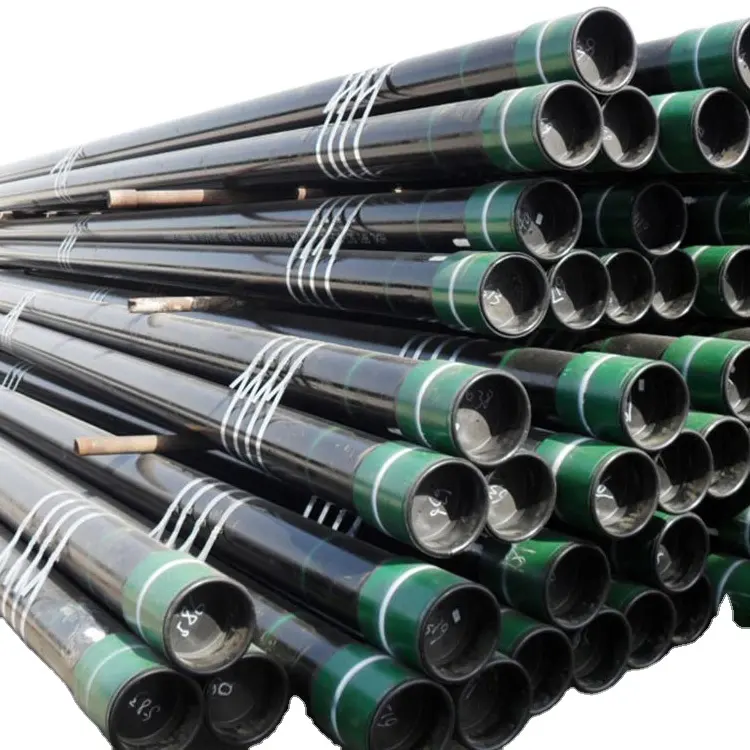
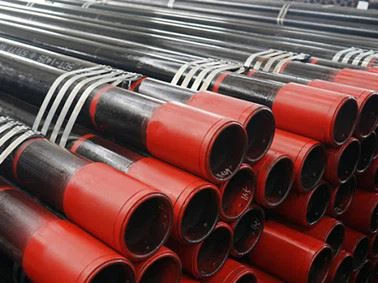
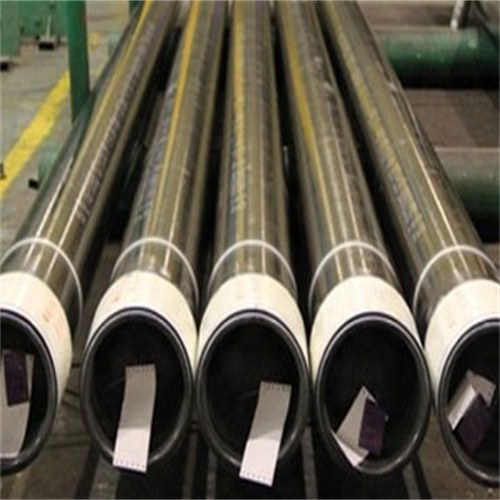
تلعب أغلفة النفط دورًا حاسمًا في استخراج ونقل النفط والغاز، وتشكل الحاجز الأساسي بين حفرة البئر والبيئة المحيطة. مع تطور الصناعة، زاد الطلب على الأغلفة التي يمكنها تحمل الظروف القاسية وإطالة العمر التشغيلي بشكل ملحوظ. أحد التطورات الرئيسية في هذا المجال هو تطوير الطلاءات المتقدمة المقاومة للتآكل، والتي تعزز المتانة والموثوقية في البيئات الصعبة.
لا يزال التآكل يمثل تحديًا مستمرًا في عمليات النفط والغاز، لا سيما في الخزانات البحرية ودرجات الحرارة العالية حيث التعرض. للعناصر المسببة للتآكل مثل كبريتيد الهيدروجين (H2S) وثاني أكسيد الكربون (CO2) هو السائد. تكون الأغلفة التقليدية، المصنوعة عادةً من الفولاذ، عرضة للتآكل بمرور الوقت، مما يؤدي إلى ضعف هيكلي وانخفاض الكفاءة التشغيلية. ولمعالجة هذه المشكلات، ركز المهندسون وعلماء المواد على تطوير الطلاءات التي يمكنها حماية الأغلفة من التآكل مع الحفاظ على السلامة الهيكلية.
أحد الحلول المبتكرة في هذا الصدد هو تطبيق الطلاءات المقاومة للتآكل باستخدام مواد متقدمة مثل الرش الحراري. السبائك والبوليمرات والمواد المركبة الخزفية. تعمل هذه الطلاءات على إنشاء حاجز وقائي بين سطح الغلاف والعوامل المسببة للتآكل، مما يؤدي إلى إطالة عمر خدمة الغلاف بشكل كبير. على سبيل المثال، تشكل السبائك المرشوشة حراريًا طبقة كثيفة ومتينة يمكنها مقاومة التآكل حتى في البيئات العدوانية. وبالمثل، توفر الطلاءات القائمة على البوليمر مقاومة كيميائية وثباتًا حراريًا، مما يجعلها مناسبة لكل من التطبيقات البرية والبحرية.
يتم تعزيز فعالية هذه الطلاءات بشكل أكبر من خلال جهود البحث والتطوير المستمرة التي تهدف إلى تحسين تركيبها وتقنيات تطبيقها. أصبح المهندسون الآن قادرين على تصميم الطلاءات بناءً على ظروف بيئية محددة ومتطلبات تشغيلية، مما يضمن أقصى قدر من الأداء وطول عمر أغلفة الزيت. يتضمن هذا التخصيص عوامل مثل سمك الطلاء، وخصائص الالتصاق، ومقاومة التآكل الميكانيكي، وكلها تساهم في الموثوقية الشاملة للغلاف.
دمج المواد ذات البنية النانوية لتعزيز القوة والمتانة
في الختام، يمثل دمج المواد ذات البنية النانوية ابتكارًا مهمًا في تصميم غلاف الزيت، مما يوفر قوة معززة ومتانة ومقاومة للتآكل واستقرارًا حراريًا. تعتبر هذه التطورات حاسمة لتلبية المتطلبات الصارمة للتنقيب الحديث عن النفط والغاز وإنتاجهما. ومع استمرار تطور التكنولوجيا، فإن المزيد من البحث والتطوير في المواد ذات البنية النانوية يعد بتحسينات أكبر في الأداء والاستدامة عبر صناعة النفط. ومن خلال تبني هذه الابتكارات، يمكن لشركات النفط تحقيق فترات خدمة أطول لأغلفة النفط الخاصة بها مع تحسين الكفاءة التشغيلية وتقليل التأثير البيئي.
Oil Casings play a critical role in the Petroleum Industry, where durability and reliability are paramount. Recent advancements in Materials science have led to significant innovations, particularly in the integration of nanostructured materials. These innovations are designed to enhance the strength and durability of oil casings, thereby extending their service life and improving overall operational efficiency.
Nanostructured materials represent a breakthrough in engineering, offering unique properties that conventional materials cannot match. By manipulating materials at the nanoscale, researchers have achieved remarkable improvements in mechanical strength, Corrosion resistance, and thermal stability. These characteristics are particularly beneficial for oil casings, which are subjected to extreme conditions such as high pressure, corrosive environments, and mechanical stresses during drilling and extraction processes.
One of the key advantages of nanostructured materials is their enhanced tensile strength. Traditional Steel casings are susceptible to deformation and fracture under high pressure and temperature conditions encountered in Oil Wells. By incorporating nanomaterials, such as carbon nanotubes or nanostructured metals, into the casing design, engineers can significantly increase its tensile strength. This improvement not only enhances the structural integrity of the casing but also reduces the risk of mechanical failure during drilling operations.
Moreover, nanostructured materials offer superior resistance to corrosion. Corrosion is a pervasive issue in oil wells due to the presence of corrosive fluids and Gases, such as hydrogen sulfide and carbon dioxide. These corrosive agents can degrade conventional steel casings over time, leading to leaks and compromising well integrity. Nanostructured coatings or alloys can provide a protective barrier against corrosion, thereby prolonging the lifespan of the casing and reducing Maintenance costs associated with well interventions.
In addition to strength and corrosion resistance, nanostructured materials contribute to improved thermal stability. Oil extraction processes often involve high-temperature environments where traditional materials may undergo thermal expansion or degradation. Nanostructured materials exhibit enhanced thermal conductivity and stability, allowing oil casings to withstand elevated temperatures without compromising their mechanical properties. This thermal resilience is crucial for maintaining well integrity and ensuring continuous production operations in challenging geological conditions.
annular tubes chinese Best CompanyFurthermore, the integration of nanostructured materials enables the design of lighter and more compact oil casings without sacrificing performance. The reduced Weight contributes to easier handling and installation during well Construction, while compact designs optimize the use of limited space within the wellbore. These advantages translate into cost savings and operational efficiencies for oil Companies, as lighter casings require less energy for deployment and reduce the environmental footprint associated with drilling operations.
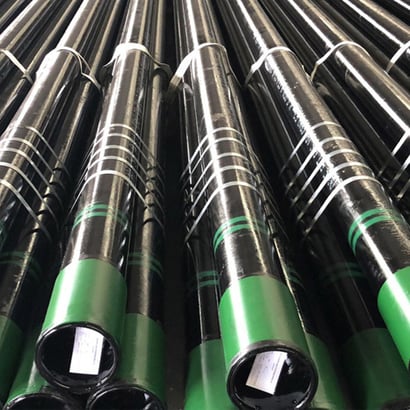 In conclusion, the integration of nanostructured materials represents a significant innovation in oil casing design, offering enhanced strength, durability, corrosion resistance, and thermal stability. These advancements are crucial for meeting the rigorous demands of modern Oil and Gas exploration and production. As technology contiNues to evolve, further research and development in nanostructured materials promise even greater improvements in performance and sustainability across the petroleum industry. By embracing these innovations, oil companies can achieve longer service durations for their oil casings while optimizing operational efficiencies and reducing environmental impact.