مقاومة التآكل في مواد تغليف الزيت
آلة تجميع القنية،
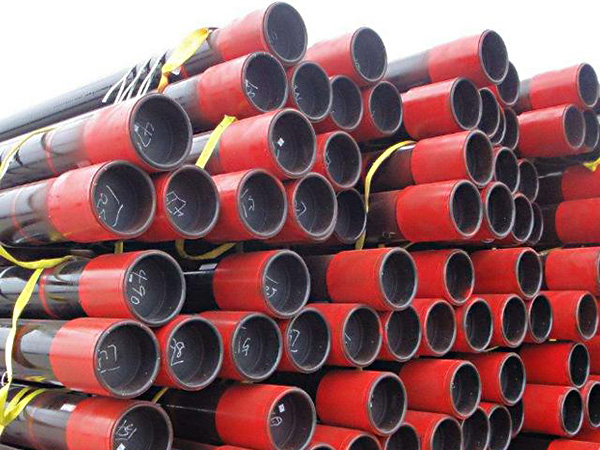
يُفضل الفولاذ المقاوم للصدأ غالبًا لخصائص مقاومة التآكل المتأصلة فيه. أنها تحتوي على الكروم، الذي يشكل طبقة أكسيد سلبية على السطح عند تعرضها للأكسجين، مما يحمي المادة بشكل فعال من المزيد من التآكل. من بين الفولاذ المقاوم للصدأ، يبرز الفولاذ المقاوم للصدأ المزدوج نظرًا لقوته العالية ومقاومته للتآكل الناتج عن الإجهاد، مما يجعله مناسبًا للاستخدام في بيئات آبار النفط المسببة للتآكل.
بالإضافة إلى الفولاذ المقاوم للصدأ، يتم استخدام السبائك المقاومة للتآكل (CRAs) على نطاق واسع. في تطبيقات غلاف النفط. تم تصميم هذه السبائك خصيصًا لمقاومة التأثيرات المسببة للتآكل لغاز H2S وCO2 والعناصر المسببة للتآكل الأخرى التي تحدث أثناء إنتاج النفط. تُظهر السبائك القائمة على النيكل مثل Inconel وHastelloy، بالإضافة إلى سبائك التيتانيوم، مقاومة استثنائية للتآكل ويتم اختيارها للآبار حيث يتدهور الفولاذ القياسي بسرعة.
يتضمن اختيار المواد المستخدمة في غلاف النفط تقييمًا دقيقًا للظروف المحددة السائدة في الخزان والعمر المتوقع للبئر. عوامل مثل درجة الحرارة والضغط وحموضة سوائل التكوين ووجود الغازات المسببة للتآكل تملي اختيار المادة الأكثر ملاءمة المقاومة للتآكل.
علاوة على ذلك، تعد عملية التصنيع وتدابير مراقبة الجودة حاسمة في ضمان موثوقية التآكل – مواد تغليف الزيت المقاومة. يتم استخدام التركيب المناسب للسبائك والمعالجة الحرارية وتقنيات التشطيب السطحي لتعزيز مقاومة المادة للتآكل وتقليل مخاطر الفشل المبكر.
تستمر التطورات في علوم المواد في دفع الابتكار في مواد تغليف الزيت المقاومة للتآكل. تركز جهود البحث والتطوير على تحسين خصائص أداء المواد الموجودة وتطوير سبائك جديدة قادرة على تحمل ظروف قاع البئر الأكثر تحديًا. يعد هذا التطور المستمر ضروريًا مع مشاريع التنقيب عن النفط في مكامن أعمق وأكثر تآكلًا، مما يدفع حدود القدرات المادية الحالية.
في الختام، يعد اختيار المواد المقاومة للتآكل لغلاف النفط أمرًا بالغ الأهمية لنجاح واستدامة عمليات إنتاج النفط . يلعب الفولاذ المقاوم للصدأ والفولاذ المقاوم للصدأ المزدوج والسبائك المقاومة للتآكل أدوارًا محورية في الحفاظ على سلامة البئر ضد قوى التآكل الموجودة في آبار النفط. ومن خلال التقييم الدقيق للظروف البيئية واستخدام المواد المتقدمة وتقنيات التصنيع، يمكن لشركات النفط التخفيف من المخاطر المرتبطة بالتآكل وضمان الأداء طويل المدى لأنظمة أغلفة النفط الخاصة بها. لا يعمل هذا النهج الاستباقي على تعزيز الموثوقية التشغيلية فحسب، بل يساهم أيضًا في الكفاءة والسلامة الشاملة لعمليات استخراج النفط في جميع أنحاء العالم.
اعتبارات القوة والمتانة
علاوة على ذلك، تستمر التطورات في علوم المواد في تشكيل مشهد اختيار الغلاف. تهدف الأبحاث في المواد ذات البنية النانوية والتقنيات المركبة إلى زيادة تعزيز نسبة القوة إلى الوزن ومقاومة التآكل للأغلفة. تعد هذه الابتكارات بدفع حدود الأداء، مما يتيح مشاريع استخراج نفط أعمق وأكثر تحديًا في جميع أنحاء العالم.
من الناحية العملية، تملي البيئة التشغيلية الاختيار الدقيق للمواد. الآبار البحرية، المعرضة لمياه البحر والضغوط تحت سطح البحر، تتطلب سبائك ذات مقاومة معززة للتآكل والليونة. في المقابل، قد تعطي الآبار البرية الأولوية للحلول الفعالة من حيث التكلفة دون المساس بالقوة الميكانيكية.
تضمن المعايير الصارمة التي وضعتها الهيئات الصناعية مثل معهد البترول الأمريكي ( API) أن المواد المختارة تلبي معايير الأداء الصارمة. تحدد مواصفات API الحد الأدنى من الخواص الميكانيكية، وبروتوكولات الاختبار، وتفاوتات الأبعاد، وتوجيه المهندسين والمصنعين في اتخاذ قرارات مستنيرة تتماشى مع المتطلبات التشغيلية.
في النهاية، يتمحور اختيار مواد غلاف الزيت حول تحقيق توازن دقيق بين القوة والمتانة والتشغيل الجدوى. وتساهم كل خاصية في الموثوقية الشاملة وطول عمر البئر، مما يحمي الاستثمارات ويحسن كفاءة الإنتاج. مع استمرار تطور التقدم التكنولوجي، يستمر البحث عن مواد متفوقة، مدفوعًا بحتمية التغلب على التحديات الكامنة في استخراج هذا المورد العالمي الحيوي.
Preeminent Attributes and Selection of Oil Casing Materials
In the realm of oil extraction, the choice of casing materials plays a critical role in ensuring the longevity and reliability of wells. Among the foremost considerations in this selection process are the attributes of strength and durability. These two factors are pivotal in safeguarding against the harsh conditions and extreme pressures experienced deep underground.
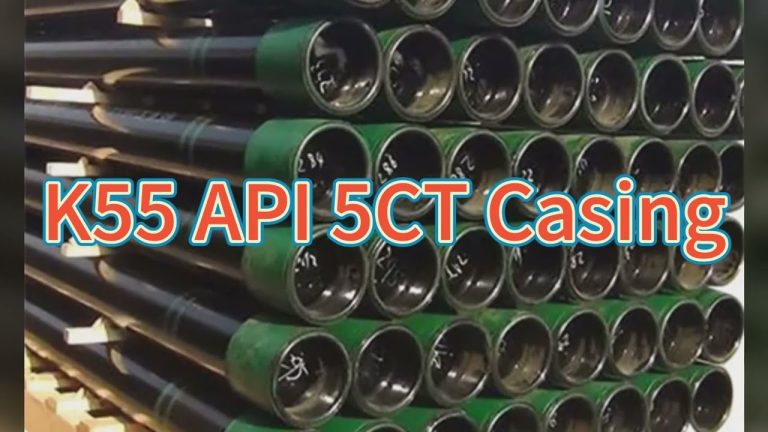
Strength is perhaps the most fundamental characteristic sought in oil casing materials. The casing must withstand immense vertical and horizontal pressures, as well as the mechanical stresses induced during installation and operation. Steel, particularly high-strength alloys such as API grades l80, P110, and Q125, is widely favored for its robustness. These materials exhibit exceptional yield and tensile strengths, ensuring they can maintain structural integrity under the demanding conditions prevalent in Oil Wells.
Durability complements strength by addressing the material’s ability to resist degradation over time. Oil wells operate in corrosive environments, where exposure to fluids and Gases can lead to metal deterioration. Stainless Steels and corrosion-resistant alloys are cHosen for their innate ability to withstand such corrosive attacks. Chromium and nickel additions in these alloys form passive oxide layers that act as shields, protecting against chemical reactions and extending the operational lifespan of the casing.
Moreover, the selection process involves evaluating the mechanical properties of materials under various stress conditions. Young’s modulus, which dictates elasticity, influences how well the casing can deform without permanent damage. High modulus materials, like Carbon steels, minimize elastic deformation under load, maintaining dimensional stability crucial for downhole operations.
Transitioning from material attributes to manufacturing processes, the method of casing fabrication significantly impacts its structural reliability. seamless casing, produced through hot rolling processes, offers superior mechanical properties and uniformity compared to welded counterparts. The absence of weld seams eliminates potential weak points susceptible to stress concentration and corrosion initiation, thereby enhancing overall durability.
Furthermore, advancements in material science contiNue to shape the landscape of casing selection. Research into nanostructured materials and composite technologies aims to further enhance the strength-to-Weight ratio and Corrosion resistance of casings. These innovations promise to push the boundaries of performance, enabling deeper and more challenging oil extraction projects worldwide.
In practical terms, the operational environment dictates the precise material selection. Offshore wells, exposed to seawater and subsea pressures, necessitate alloys with enhanced corrosion resistance and ductility. In contrast, onshore wells may prioritize cost-effective solutions without compromising on mechanical strength.
The rigorous standards set by industry bodies such as the American Petroleum Institute (API) ensure that selected materials meet stringent performance criteria. API specifications define minimum mechanical properties, testing protocols, and dimensional tolerances, guiding engineers and Manufacturers in making informed decisions aligned with operational requirements.
Ultimately, the selection of oil casing materials revolves around achieving a delicate balance between strength, durability, and operational feasibility. Each attribute contributes to the overall reliability and longevity of the well, safeguarding investments and optimizing production efficiency. As technological advancements continue to evolve, the quest for superior materials persists, driven by the imperative to overcome the challenges inherent in the extraction of this vital global resource.