الخصائص البارزة لمواد تغليف الزيت
اختيار مواد تغليف الزيت: دليل شامل
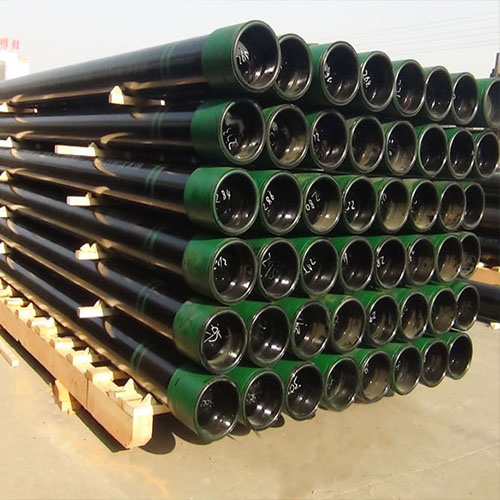 API 5ct l80 9Cr Casing أفضل تجار الجملة في الصين
أخيرًا، ولكن الأهم من ذلك، أن الالتزام التنظيمي له ثقله في عملية صنع القرار. يجب أن يتوافق اختيار المواد اللازمة لتغليف الزيت مع معايير الصناعة واللوائح البيئية. ولذلك، ومع معرفة الخصائص البارزة، يتحول فن اختيار مادة تغليف الزيت المناسبة إلى علم مواءمة الأداء التشغيلي مع الاستدامة. وبغض النظر عن التعقيدات التي ينطوي عليها الأمر، فإن التوازن المثالي بين هذه العوامل سيؤدي دائمًا إلى نجاح استخراج الزيت وإطالة عمر مواد التغليف.
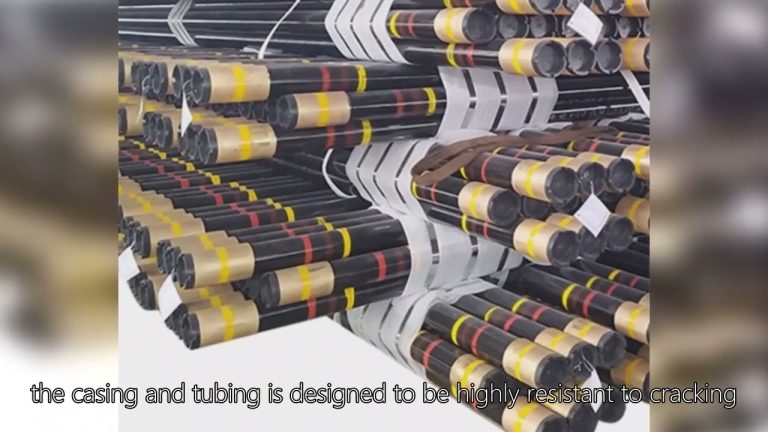
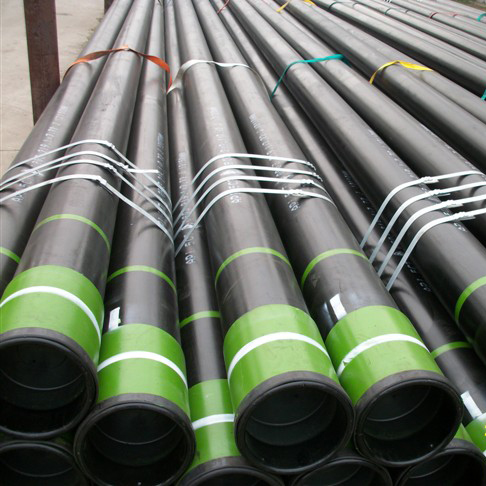
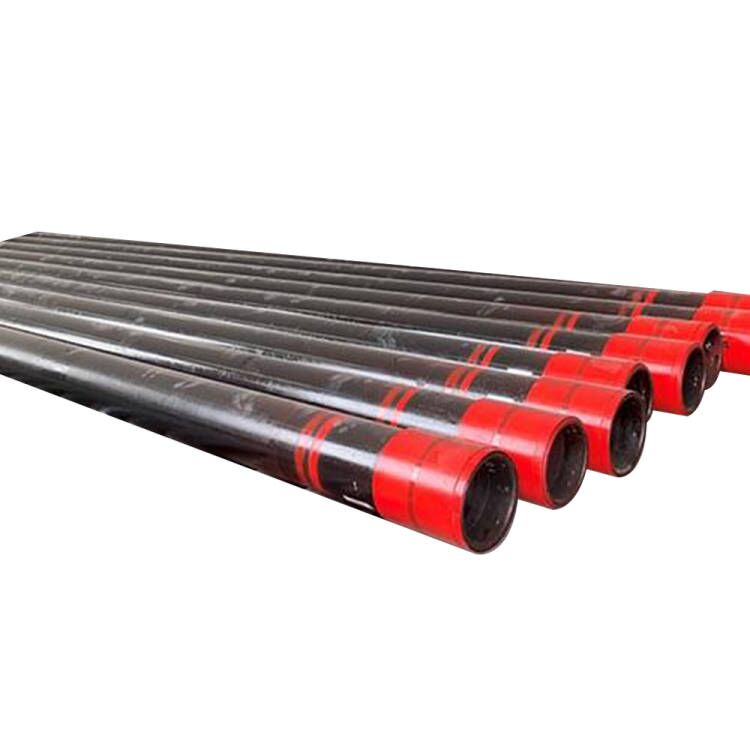
The selection of Oil Casing Materials is a crucial task that demands meticulous attention, expertise, and knowledge. To ensure optimal performance and longevity of the Oil Well, a number of factors and eminent characteristics of the materials must be taken into account.
To begin with, the selection process starts with the proper understanding of the environment in which the material will operate. Varying geographical locations can expose the casing to a spectrum of conditions, from extremely high temperatures to corrosive and aggressive environments. That is why it is cardinal to pick materials that are resilient to these conditions, and can sustain their structural integrity even amidst the harshest of exertions.
API 5CT L80 9Cr CASING Best china wholesalers
Another leading characteristic that needs to be carefully evaluated in casing materials is their strength and toughness. The casing is expected to bear great strains and stresses without compromise to its structural integrity or causing damage to the encapsulated materials. Hence, Steel, due to its high tensile strength and toughness, has long been a preferred choice for casing material.
Apart from the inherent material properties, attention should also be given to the manufacturing process of the casing material. The material, typically steel, has to be processed in a way that it aligns with the usage requirements. For instance, if the usage environment is highly corrosive, the casing material might need special coatings or treatments to amplify its Corrosion resistance.
Furthermore, it is extremely important that the oil casing is resistant to corrosion, particularly in environments where it comes into contact with aggressive substances, such as carbonic acid, hydrogen sulfide, and free sulfur. In many instances, Carbon steel, accompanied by anti-corrosive additives, serves as a practical and cost-effective solution for oil casing in such environments.
In addition, the elasticity of the material cannot be overlooked. For oil casings that must withstand high pressure, the material needs to have high yield strength, so it doesn’t deform permanently under pressure. A suitable material should be capable of returning to its original shape once the applied stress is removed.
The longevity of the material is another aspect that cannot be shrugged off. In the harsh operational conditions of oil wells, the casing materials are supposed to last for a significant period, often several years, without any requirement for replacement or Repair.
Lastly, but most importantly, the regulatory compliance pulls its own Weight in the decision-making process. The selection of material for oil casing should comply with the industry standards and environmental regulations.
Summing up, the selection of oil casing materials should not only be done based on the operational requirements but also considering the Life cycle impact assessment. Therefore, with knowledge of the prominent characteristics, the art of choosing the right oil casing material transforms into the science of harmonizing the operational performance with sustainability. Regardless of the complexities involved, the perfect balance of these factors will invariably lead to successful oil extraction and longevity of the casing materials.