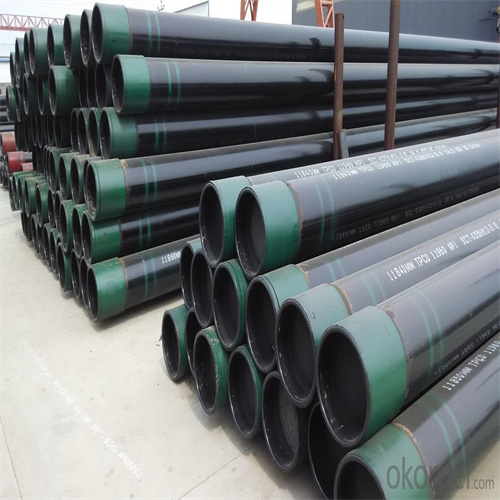
تقنيات مبتكرة للحصول على مواد تغليف الزيت عالية الجودة
في المشهد المتطور باستمرار لصناعة النفط والغاز، أصبح البحث عن مواد استثنائية في أغلفة النفط أمرًا بالغ الأهمية بشكل متزايد. ومع توغل عمليات الحفر في القشرة الأرضية، ارتفع الطلب على مواد تغليف النفط عالية الجودة، مما يستلزم تقنيات مبتكرة للحصول على هذه المكونات الأساسية. تعد سلامة وموثوقية غلاف النفط أمرًا بالغ الأهمية، لأنها تعمل على حماية حفرة البئر من الضغوط الخارجية ومنع تلوث المياه الجوفية. ونتيجة لذلك، تحولت الصناعة إلى منهجيات متقدمة للتأكد من أن المواد المستخدمة تلبي معايير الأداء الصارمة.

علاوة على ذلك، أحدث اعتماد التقنيات الرقمية ثورة في الطريقة التي تحصل بها الشركات على مواد تغليف النفط. يسمح تنفيذ تحليلات البيانات وخوارزميات التعلم الآلي بتحليل كميات هائلة من البيانات المتعلقة بأداء المواد وموثوقية المورد. ومن خلال الاستفادة من هذه التقنيات، يمكن للشركات اتخاذ قرارات مستنيرة بشأن المواد التي يجب شراؤها ومن الأشخاص الذين يجب شراؤها. لا يعمل هذا النهج المبني على البيانات على تبسيط عملية تحديد المصادر فحسب، بل يقلل أيضًا من المخاطر المرتبطة بفشل المواد، مما يؤدي في النهاية إلى عمليات حفر أكثر أمانًا وكفاءة.
حالة زيت الأسطوانة بالإضافة إلى التقدم التكنولوجي، أثبت التعاون داخل الصناعة أنه استراتيجية حيوية للحصول على مواد تغليف النفط عالية الجودة. ومن خلال تعزيز الشراكات بين المصنعين والموردين والمؤسسات البحثية، يمكن للشركات تبادل المعرفة والموارد، مما يؤدي إلى تطوير مواد مبتكرة وتقنيات تحديد المصادر. ويمكن للجهود التعاونية أيضًا أن تسهل وضع معايير الصناعة، مما يضمن التزام جميع اللاعبين بنفس معايير الجودة. هذا النهج الجماعي لا يعزز الجودة الشاملة لمواد تغليف النفط فحسب، بل يعزز أيضًا الاستدامة داخل الصناعة.
علاوة على ذلك، أدى التركيز على الاستدامة إلى التحول نحو استخدام المواد المعاد تدويرها والصديقة للبيئة في إنتاج أغلفة النفط. مع استمرار تزايد المخاوف البيئية، تبحث الشركات بشكل متزايد عن طرق لتقليل بصمتها الكربونية وتقليل النفايات. ومن خلال توفير المواد التي يتم إعادة تدويرها أو إنتاجها من خلال ممارسات مستدامة، يمكن للصناعة أن تساهم في مستقبل أكثر مسؤولية من الناحية البيئية. لا يتوافق هذا التحول مع أهداف الاستدامة العالمية فحسب، بل يجذب أيضًا شريحة متزايدة من المستهلكين الذين يعطون الأولوية للممارسات الصديقة للبيئة.
مع استمرار صناعة النفط والغاز في مواجهة التحديات المتعلقة بندرة الموارد والأثر البيئي، تبرز الحاجة إلى تقنيات مبتكرة في الحصول على مواد تغليف النفط عالية الجودة سوف تكثف فقط. ومن خلال تبني التقدم في علوم المواد، والاستفادة من التقنيات الرقمية، وتعزيز التعاون، وإعطاء الأولوية للاستدامة، يمكن للشركات التأكد من أنها مجهزة تجهيزًا جيدًا لتلبية متطلبات السوق المتغيرة باستمرار. وفي نهاية المطاف، فإن البحث عن مواد استثنائية في أغلفة النفط ليس مجرد مسألة تتعلق بالكفاءة التشغيلية؛ إنه التزام بالسلامة والموثوقية والإشراف البيئي الذي سيشكل مستقبل الصناعة. ومن خلال هذه الأساليب المبتكرة، يستطيع قطاع النفط والغاز التغلب على تعقيدات الحفر الحديث مع الحفاظ على أعلى معايير الجودة والأداء.
Moreover, the adoption of digital technologies has revolutionized the way Companies source Oil Casing Materials. The implementation of data analytics and machine learning algorithms allows for the analysis of vast amounts of data related to material performance and Supplier reliability. By leveraging these technologies, companies can make informed decisions about which materials to procure and from whom. This data-driven approach not only streamlines the sourcing process but also minimizes the risks associated with material failure, ultimately leading to safer and more efficient drilling operations.
roller oil caseIn addition to technological advancements, collaboration within the industry has proven to be a vital strategy for sourcing high-quality oil casing materials. By fostering partnerships between Manufacturers, Suppliers, and research institutions, companies can share knowledge and resources, leading to the development of innovative materials and sourcing techniques. Collaborative efforts can also facilitate the establishment of industry standards, ensuring that all players adhere to the same quality benchmarks. This collective approach not only enhances the overall quality of oil casing materials but also promotes sustainability within the industry.
Furthermore, the emphasis on sustainability has prompted a shift towards the use of recycled and eco-friendly materials in oil casing production. As environmental concerns contiNue to rise, companies are increasingly seeking ways to reduce their carbon footprint and minimize waste. By sourcing materials that are either recycled or produced through sustainable practices, the industry can contribute to a more environmentally responsible future. This shift not only aligns with global sustainability goals but also appeals to a growing segment of consumers who prioritize eco-friendly practices.
As the Oil and Gas industry continues to face challenges related to resource scarcity and environmental impact, the need for innovative techniques in sourcing high-quality oil casing materials will only intensify. By embracing advancements in materials science, leveraging digital technologies, fostering collaboration, and prioritizing sustainability, companies can ensure that they are well-equipped to meet the demands of an ever-changing market. Ultimately, the quest for exceptional materials in oil casing is not merely a matter of operational efficiency; it is a commitment to safety, reliability, and environmental stewardship that will shape the future of the industry. Through these innovative approaches, the oil and gas sector can navigate the complexities of modern drilling while maintaining the highest standards of quality and performance.