اختيار غلاف الزيت المناسب: دليل شامل
الاعتبارات البيئية تدفع أيضًا إلى الابتكار في تكنولوجيا أغلفة الزيت. تتطور استراتيجيات منع التسرب واحتوائه باستمرار لتقليل مخاطر انسكابات النفط وتلوث المياه الجوفية. تؤكد اللوائح ومعايير الصناعة الأكثر صرامة على أهمية اختيار أغلفة زيت قوية وموثوقة تتجاوز الحد الأدنى من المتطلبات.
علاوة على ذلك، لا يمكن التغاضي عن اقتصاديات اختيار أغلفة الزيت. في حين أن التكاليف الأولية هي أحد العوامل، إلا أنه يجب وزن تكلفة دورة الحياة الإجمالية، بما في ذلك نفقات الصيانة والاستبدال، بعناية. يمكن للاستثمارات في الأغلفة عالية الجودة مقدمًا أن تحقق وفورات كبيرة على المدى الطويل عن طريق تقليل وقت التوقف عن العمل وتخفيف المخاطر المرتبطة بفشل الآبار.
حجم أنبوب التغليف،في الختام، على الرغم من أن مهمة اختيار غلاف النفط المناسب قد تبدو شاقة، إلا أنها وهو قرار يمكن أن يؤثر بشكل عميق على نجاح واستدامة عمليات التنقيب عن النفط. ومن خلال إعطاء الأولوية لعوامل مثل تركيب المواد، ومواصفات التصميم، والاعتبارات البيئية، والجدوى الاقتصادية، يمكن لشركات النفط أن تتنقل في هذا المشهد المعقد بثقة. مع استمرار تقدم التكنولوجيا، ستتطور أيضًا الخيارات المتاحة، مما يوفر الأمل في حلول أكثر كفاءة وصديقة للبيئة في المستقبل.
في النهاية، لا يعد اختيار غلاف الزيت مجرد قرار فني ولكنه قرار استراتيجي يعكس الالتزام للسلامة والإشراف البيئي والتميز التشغيلي. ومن خلال البقاء على اطلاع باتجاهات الصناعة والاستفادة من خبرات المهندسين وعلماء المواد، يمكن لشركات النفط اتخاذ خيارات مستنيرة تمهد الطريق لمستقبل أكثر استدامة وازدهارًا في استخراج الطاقة.
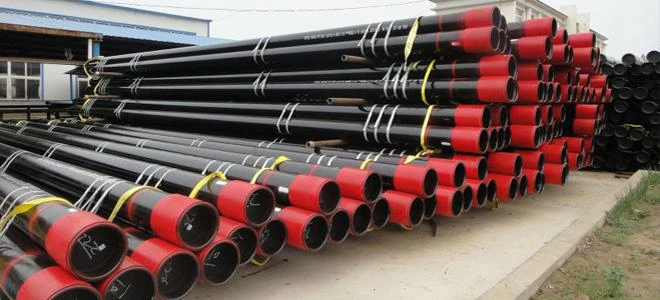
In the realm of offshore drilling, where environmental sensitivity and safety are paramount, the selection of Oil Casings takes on added significance. casings must withstand the harsh conditions of deep-sea environments while maintaining structural integrity over extended periods. Advances in metallurgy and engineering have led to the development of high-strength alloys capable of meeting these demands, offering offshore operators greater reliability and peace of mind.
Environmental considerations also drive innovation in oil casing technology. Leakage prevention and containment strategies are continually evolving to minimize the risk of oil spills and groundwater contamination. Tighter regulations and industry standards further underscore the importance of selecting robust and reliable oil casings that exceed minimum requirements.
Moreover, the economics of oil casing selection cannot be overlooked. While initial costs are a factor, the total lifecycle cost, including Maintenance and replacement expenses, must be carefully weighed. Investments in high-quality casings upfront can yield substantial long-term savings by reducing downtime and mitigating the risks associated with well failures.
Casing Pipe size,In conclusion, while the task of selecting the right oil casing may seem daunting, it is a decision that can profoundly impact the success and sustainability of oil drilling operations. By prioritizing factors such as Material composition, design specifications, environmental considerations, and economic viability, oil Companies can navigate this complex landscape with confidence. As technology contiNues to advance, so too will the options available, offering hope for even more efficient and environmentally friendly solutions in the future.
Ultimately, the choice of oil casing is not just a technical decision but a strategic one that reflects a commitment to safety, environmental stewardship, and operational excellence. By staying informed of industry trends and leveraging the expertise of engineers and materials scientists, oil companies can make informed choices that pave the way for a more sustainable and prosperous future in energy extraction.