فهم أحجام الغلاف القياسية: دليل شامل
يعد فهم أحجام الغلاف القياسية في صناعة النفط والغاز أمرًا بالغ الأهمية للمحترفين في هذا المجال. تلعب هذه الأحجام، جنبًا إلى جنب مع درجات وأوزان الغلاف لكل قدم (ppf)، دورًا مهمًا في نجاح حفر آبار النفط والغاز وإكمالها. تهدف هذه المقالة إلى تقديم دليل شامل لهذه الجوانب الأساسية لتصميم الغلاف.
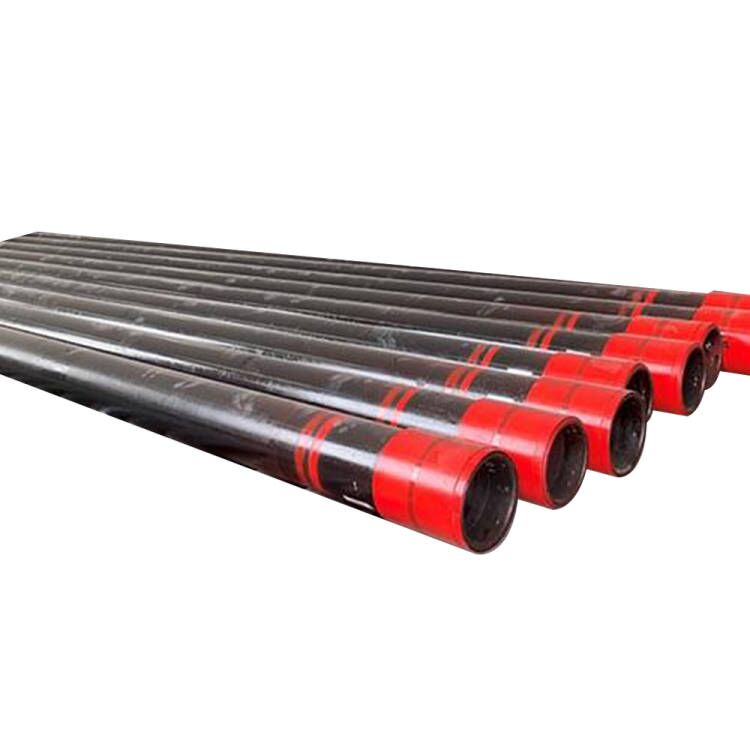
أنابيب التغليف، غلاف أنابيب الآبار، غلاف الأنابيب العليا، الغلاف مقابل الأنابيب الحاملة، غلاف أنابيب التيار المتردد، غلاف الأنابيب الفولاذية، حجم أنبوب التغليف، غلاف سعر الأنابيب البلاستيكية، أنابيب التغليف، موردي أنابيب التغليف في الصين، غلاف أنابيب السد، حفر الغلاف الأنابيب ، الأنابيب الناقلة ، حجم أنبوب التغليف ، شفة البطانة ، جلبة البطانة ، البطانة ، ذراع البطانة ، محمل البطانة ، مخفض البطانة ، أداة البطانة ، البطانة البلاستيكية ، معنى البطانة
بالانتقال إلى درجات الغلاف ppf، من المهم ملاحظة أن ppf يرمز إلى رطل لكل قدم، وهو مقياس لوزن الغلاف. تعد درجة ppf عاملاً حاسماً في تصميم الغلاف لأنها تؤثر بشكل مباشر على قوة الغلاف ومتانته. كلما ارتفعت درجة ppf، كان الغلاف أثقل وأقوى. تتراوح درجات الغلاف القياسي ppf من 9.5 ppf إلى 72.0 ppf. يعتمد اختيار درجة PPF المناسبة على عمق البئر، وظروف الضغط ودرجة الحرارة، بالإضافة إلى نوع سوائل الحفر المستخدمة.
يعد وزن الغلاف عاملاً حاسماً آخر في تصميم البئر. يتم قياسه عادةً بالجنيه ويرتبط بشكل مباشر بقطر الغلاف وسمك الجدار. يمكن أن يؤثر وزن الغلاف بشكل كبير على استقرار البئر وقدرته على تحمل الضغوط ودرجات الحرارة العالية. لذلك، من الضروري اختيار وزن غلاف مناسب لظروف البئر المحددة.
استكشاف درجات وأوزان غلاف Ppf: ما تحتاج إلى معرفته
يعد وزن الغلاف عاملاً حاسماً آخر في تصميم الغلاف. يتم تحديد الوزن حسب حجم الغلاف ودرجة ppf. كلما كان الغلاف أثقل، زادت قدرته على تحمل الضغط والإجهاد. ومع ذلك، فإن الأغلفة الأثقل تكون أكثر صعوبة في التعامل معها وتركيبها، وتتطلب المزيد من الأسمنت للتركيب. لذلك، يجب أن يحقق اختيار وزن الغلاف توازنًا بين قوة الغلاف والاعتبارات العملية للتعامل والتركيب.
في الختام، يعد حجم الغلاف ودرجة ppf ووزنه عوامل حاسمة في تصميم وتركيب الزيت. وآبار الغاز. ويعتمد اختيار هذه العوامل على عمق البئر، وظروف الضغط ودرجة الحرارة، ومعدلات الإنتاج المتوقعة. من خلال فهم هذه المعلمات، يمكن للمهندسين تصميم وتركيب أغلفة توفر القوة والثبات اللازمين لحفر وإكمال الآبار بنجاح. لذلك، يعد الفهم الشامل لأحجام التغليف القياسية ودرجات التغليف والأوزان أمرًا ضروريًا لأي شخص يعمل في صناعة النفط والغاز.
Exploring Casing Ppf grades and Weights: What You Need to Know
In the Oil and Gas industry, casing plays a pivotal role in ensuring the successful drilling and completion of wells. The casing is a large Diameter Pipe that serves as the structural retainer for the walls of oil and gas wells, and it is installed in layers, with each layer cemented to provide stability. The size, weight, and grade of the casing are critical factors that determine its effectiveness and durability. This article aims to provide an in-depth understanding of standard casing sizes, casing pounds per foot (ppf) grades, and weights.
Standard casing sizes are typically measured in inches, and they range from 4.5 inches to 20 inches in diameter. The size of the casing is cHosen based on the size of the hole drilled, the pressure and temperature conditions, and the anticipated production rates. The most commonly used casing sizes are 7 inches and 9 5/8 inches, which are suitable for most drilling conditions. However, larger casing sizes may be required for high-pressure, high-temperature wells, or for wells with high production rates.
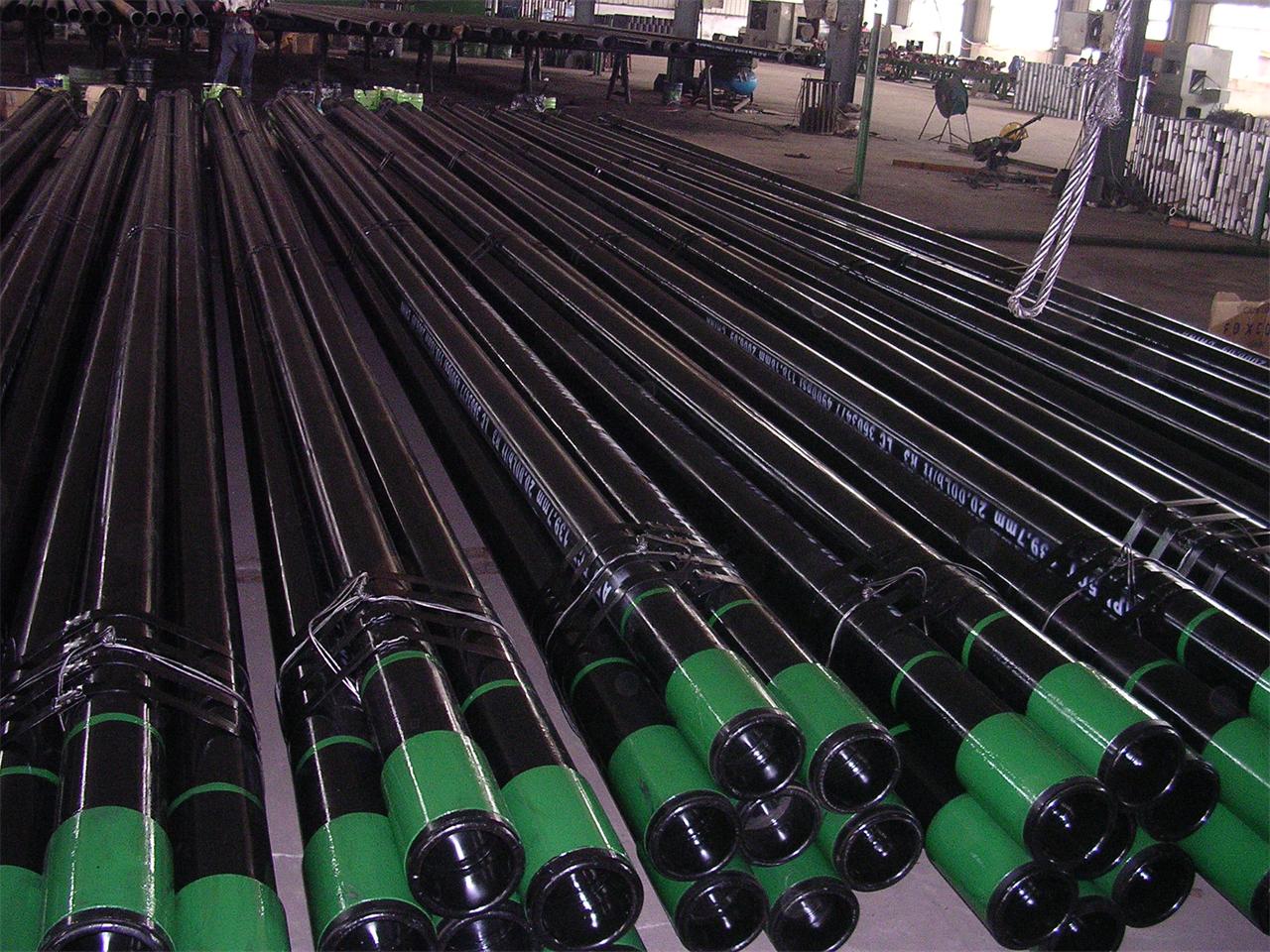
Casing ppf grades refer to the weight of the casing per foot, and they are an essential parameter in casing design. The ppf grade is determined by the Wall thickness and the outer diameter of the casing. The higher the ppf grade, the thicker the casing wall, and the greater its ability to withstand pressure and stress. The ppf grades range from 9.5 ppf to 133 ppf, with the most commonly used grades being 23 ppf, 29 ppf, and 36 ppf. The choice of ppf grade depends on the well’s depth, pressure, and temperature conditions, and the anticipated production rates.
The weight of the casing is another crucial factor in casing design. The weight is determined by the casing size and the ppf grade. The heavier the casing, the greater its ability to withstand pressure and stress. However, heavier casings are more difficult to handle and install, and they require more cement for installation. Therefore, the choice of casing weight must strike a balance between the casing’s strength and the practical considerations of handling and installation.
In conclusion, the size, ppf grade, and weight of the casing are critical factors in the design and installation of oil and gas wells. The choice of these parameters depends on the well’s depth, pressure, and temperature conditions, and the anticipated production rates. By understanding these parameters, engineers can design and install casings that provide the necessary strength and stability for successful drilling and completion of wells. Therefore, a comprehensive understanding of standard casing sizes, casing ppf grades, and weights is essential for anyone involved in the oil and gas industry.