تحسين ميزانية سلسلة التوريد واستراتيجيات التنبؤ لصناعة تغليف النفط
تلعب ميزانية سلسلة التوريد والتنبؤ بها دورًا حاسمًا في صناعة أغلفة النفط، حيث تكون الكفاءة وفعالية التكلفة أمرًا بالغ الأهمية. وفي هذا القطاع الديناميكي، يجب على الشركات مواجهة تحديات مختلفة مثل تقلب أسعار النفط، والشكوك الجيوسياسية، ومتطلبات السوق المتطورة. لتحقيق النجاح في هذا المشهد التنافسي، تحتاج المؤسسات إلى استراتيجيات قوية لإدارة ميزانيات سلسلة التوريد الخاصة بها والتنبؤ بدقة بالاتجاهات المستقبلية.
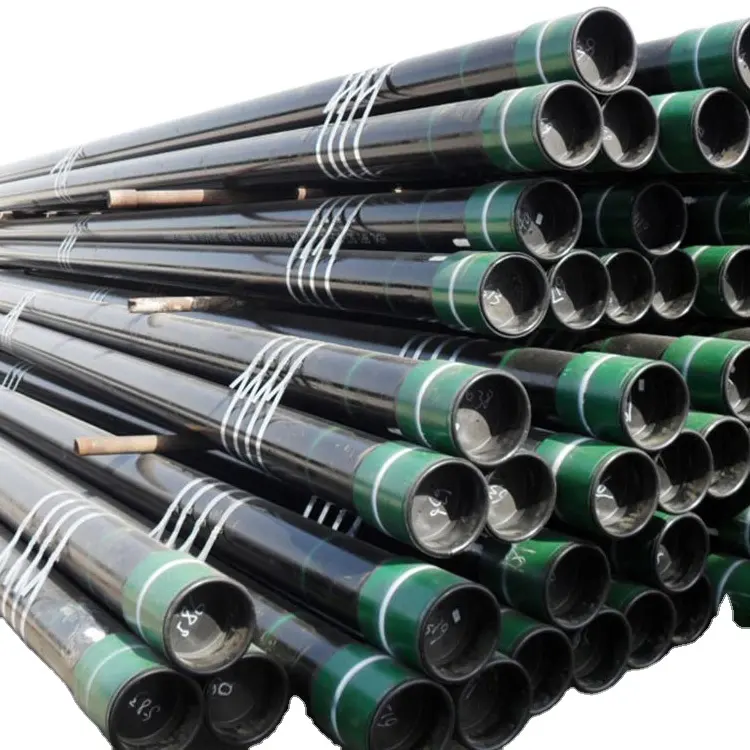
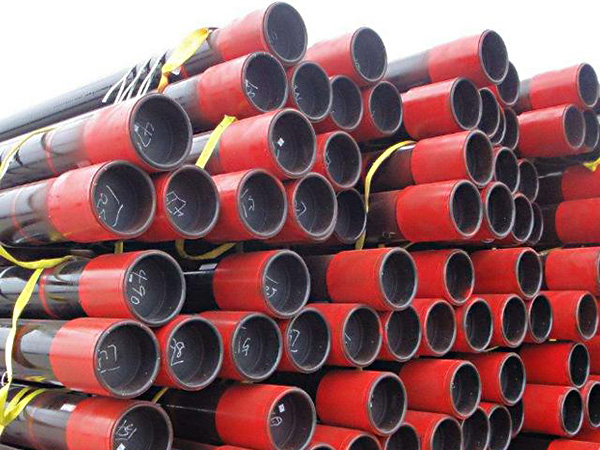
مجموعة أنبوب التقاط الزيت
يعد التعاون والتواصل ضروريين لوضع ميزانية سلسلة التوريد والتنبؤ بها بشكل فعال. يجب أن تعمل الفرق متعددة الوظائف التي تضم متخصصين في الشؤون المالية والمشتريات والخدمات اللوجستية والعمليات معًا لتطوير خطط الميزانية المتكاملة ومواءمة جهود التنبؤ مع أهداف العمل. من خلال تعزيز ثقافة التعاون وتبادل المعرفة، يمكن للمؤسسات تعزيز عمليات صنع القرار ودفع التحسين المستمر في عمليات سلسلة التوريد الخاصة بها.
تلعب التكنولوجيا دورًا حاسمًا في وضع ميزانية سلسلة التوريد الحديثة وممارسات التنبؤ. حلول البرمجيات المتقدمة، مثل أنظمة تخطيط موارد المؤسسات (ERP)، ومنصات إدارة سلسلة التوريد (SCM)، وأدوات ذكاء الأعمال، تمكن الشركات من تبسيط عمليات إعداد الميزانية الخاصة بها، وأتمتة تحليل البيانات، وتوليد رؤى في الوقت الحقيقي لاتخاذ القرار. من خلال الاستفادة من التكنولوجيا بشكل فعال، يمكن للمؤسسات تعزيز دقة وكفاءة أنشطة إعداد الميزانية والتنبؤ بها.
في الختام، تعد ميزانية سلسلة التوريد والتنبؤ بها مكونات أساسية للنجاح في صناعة أغلفة النفط. ومن خلال اعتماد أفضل الممارسات، والاستفادة من أدوات التحليل المتقدمة، وإدارة المخاطر بفعالية، وتعزيز التعاون، وتبني التكنولوجيا، يمكن للشركات تحسين عمليات سلسلة التوريد الخاصة بها، وتحسين كفاءة التكلفة، والبقاء قادرة على المنافسة في مشهد السوق سريع التطور. لا تؤدي استراتيجيات إعداد الميزانية والتنبؤ الفعالة إلى دفع الأداء المالي فحسب، بل تمكّن المؤسسات أيضًا من التكيف مع ظروف السوق المتغيرة وتحقيق الاستدامة والنمو على المدى الطويل.
One of the key challenges in supply chain budgeting and forecasting for the Oil Casing industry is the inherent volatility of the global oil market. Fluctuations in oil Prices can have a significant impact on production costs, transportation expenses, and overall profitability. To mitigate these risks, Companies must adopt agile budgeting practices that allow for quick adjustments in response to market dynamics.
Another critical aspect of supply chain budgeting and forecasting is risk management. The oil casing industry is susceptible to various risks, including geopolitical instability, supply chain disruptions, and regulatory changes. By incorporating risk assessment tools and scenario planning techniques into their budgeting process, companies can proactively identify and mitigate potential threats to their operations.

Collaboration and communication are essential for effective supply chain budgeting and forecasting. Cross-functional teams comprising finance, procurement, logistics, and operations professionals must work together to develop integrated budgeting plans and align forecasting efforts with business objectives. By fostering a culture of collaboration and knowledge sharing, organizations can enhance decision-making processes and drive continuous improvement in their supply chain operations.
Technology plays a crucial role in modern supply chain budgeting and forecasting practices. Advanced software solutions, such as enterprise resource planning (ERP) systems, supply chain management (SCM) platforms, and business intelligence tools, enable companies to streamline their budgeting processes, automate data analysis, and generate real-time insights for decision-making. By leveraging technology effectively, organizations can enhance the accuracy and efficiency of their budgeting and forecasting activities.
In conclusion, supply chain budgeting and forecasting are essential components of success in the oil casing industry. By adopting best practices, leveraging advanced analytics tools, managing risks effectively, fostering collaboration, and embracing technology, companies can optimize their supply chain operations, improve cost efficiency, and stay competitive in a r APIdly evolving market landscape. Effective budgeting and forecasting strategies not only drive financial performance but also enable organizations to adapt to changing market conditions and achieve long-term sustainability and growth.