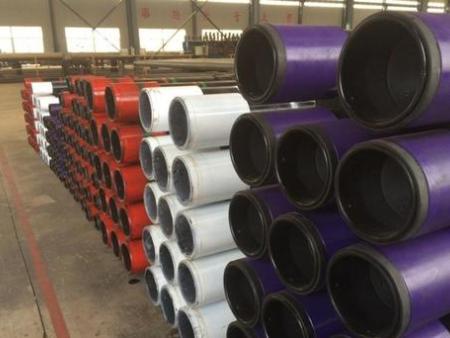
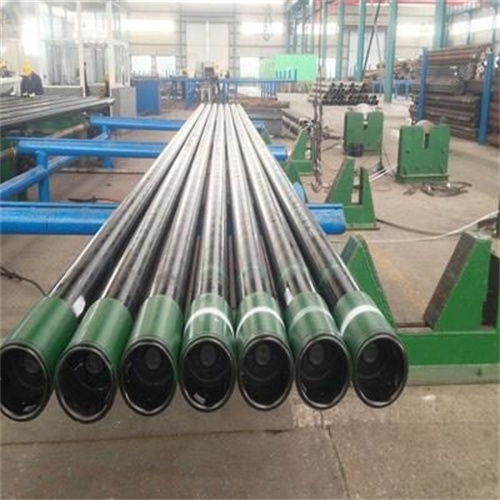
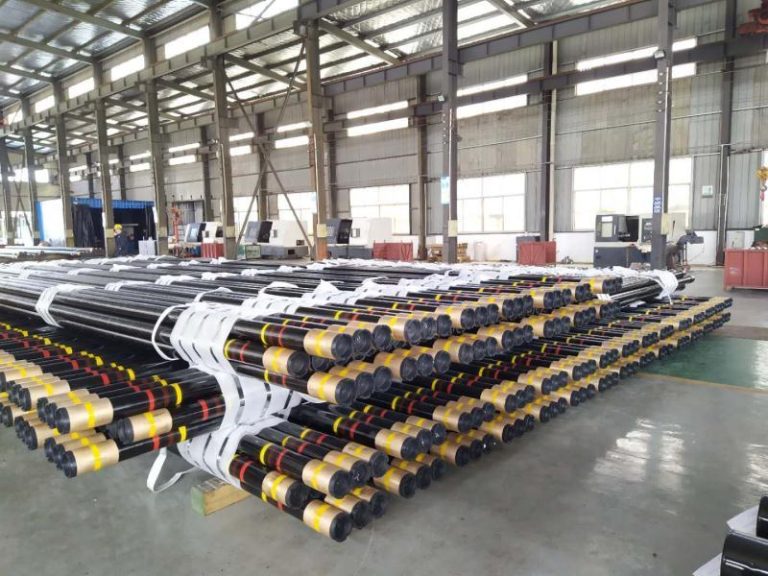
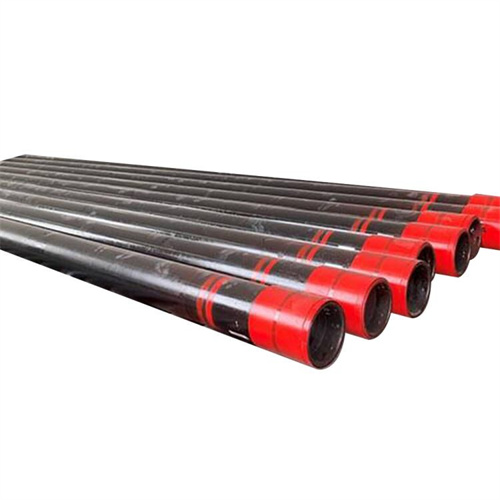
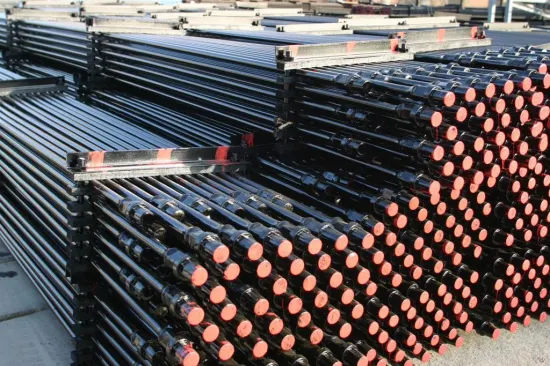
أهمية التحكم في العمليات الإحصائية في إدارة سلسلة توريد أغلفة النفط
مكشطة الغلاف
 علاوة على ذلك، فإن دمج شركة SPC في سلسلة توريد أغلفة النفط يمكن أن يعزز التعاون بين أصحاب المصلحة. يمكن للموردين والمصنعين والعملاء مشاركة البيانات والرؤى المستمدة من ممارسات SPC، مما يعزز سلسلة التوريد الأكثر شفافية واستجابة. يمكن أن يؤدي هذا التعاون إلى تحسين التنبؤ وإدارة المخزون وتخطيط الطلب، مما يؤدي في النهاية إلى سلسلة توريد أكثر مرونة ومرونة. على سبيل المثال، إذا حدد المورد تأخيرًا محتملاً في تسليم المواد الخام، فيمكنه توصيل هذه المعلومات إلى الشركات المصنعة، التي يمكنها بعد ذلك تعديل جداول الإنتاج الخاصة بها وفقًا لذلك. هذا المستوى من التنسيق يقلل من الاضطرابات ويضمن أن سلسلة التوريد تعمل بسلاسة.
في الختام، لا يمكن المبالغة في أهمية التحكم في العمليات الإحصائية في سلسلة توريد غلاف النفط. من خلال توفير تحليل البيانات في الوقت الحقيقي، وتعزيز ثقافة التحسين المستمر، وضمان الامتثال لمعايير الصناعة، وتعزيز التعاون بين أصحاب المصلحة، تعمل SPC كعنصر أساسي لتحقيق التميز التشغيلي. مع استمرار تطور صناعة النفط والغاز، سيكون اعتماد SPC أمرًا بالغ الأهمية للمؤسسات التي تسعى إلى الحفاظ على ميزة تنافسية مع تقديم منتجات عالية الجودة تلبي متطلبات السوق المتزايدة التعقيد.
Moreover, SPC fosters a culture of continuous improvement within organizations. By regularly analyzing process data, teams can identify trends and patterns that may not be immediately apparent. This insight can lead to informed decision-making regarding process adjustments, resource allocation, and training needs. For example, if data indicates that a specific production line consistently underperforms, management can investigate further and implement targeted training programs for operators or invest in equipment upgrades. This proactive approach not only enhances product quality but also boosts employee morale, as workers see their contributions to process improvements recognized and valued.
In addition to improving product quality and operational efficiency, SPC also plays a vital role in compliance with industry standards and regulations. The Oil and Gas sector is heavily regulated, with stringent requirements regarding safety and environmental impact. By employing SPC techniques, Companies can demonstrate their commitment to quality management and regulatory compliance. This is particularly important in the Oil Casing supply chain, where failures can lead to catastrophic consequences, including environmental disasters and significant financial losses. By maintaining rigorous statistical controls, organizations can provide evidence of their adherence to safety standards, thereby protecting their reputation and ensuring long-term viability.
https://youtube.com/watch?v=t4JR3TPOt7g
Furthermore, the integration of SPC into the oil casing supply chain can enhance collaboration among stakeholders. Suppliers, Manufacturers, and customers can share data and insights derived from SPC practices, fostering a more transparent and responsive supply chain. This collaboration can lead to improved forecasting, inventory management, and demand planning, ultimately resulting in a more agile and resilient supply chain. For instance, if a supplier identifies a potential delay in raw Material delivery, they can communicate this information to manufacturers, who can then adjust their production schedules accordingly. This level of coordination minimizes disruptions and ensures that the supply chain operates Smoothly.
In conclusion, the importance of Statistical Process Control in the oil casing supply chain cannot be overstated. By providing real-time data analysis, fostering a culture of continuous improvement, ensuring compliance with industry standards, and enhancing collaboration among stakeholders, SPC serves as a foundational element for achieving operational excellence. As the oil and gas industry contiNues to evolve, the adoption of SPC will be critical for organizations seeking to maintain a competitive edge while delivering high-quality products that meet the demands of an increasingly complex market.