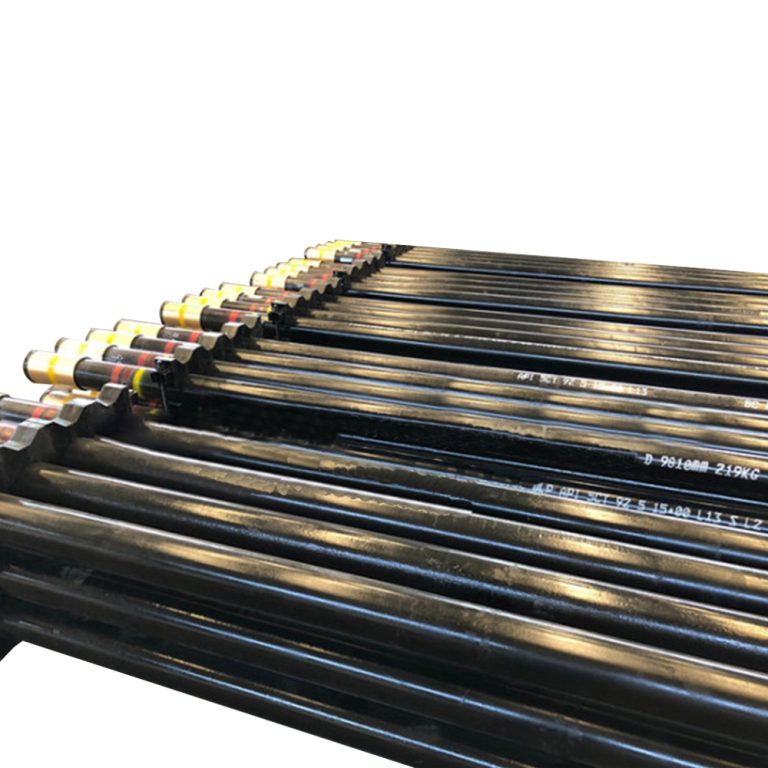
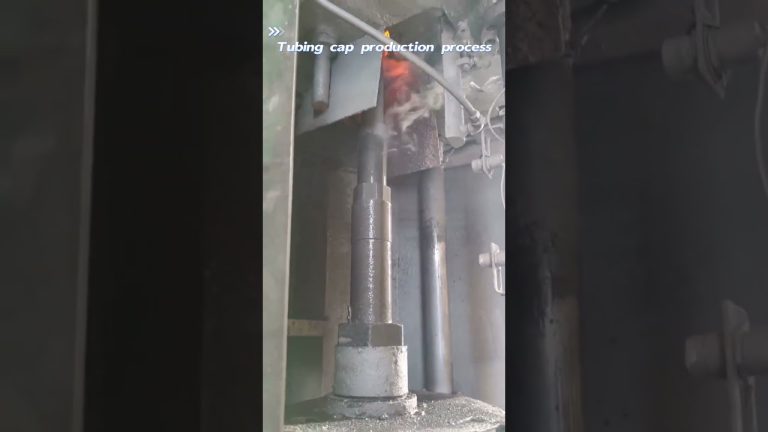
فوائد تطبيق منهجيات ستة سيجما في صناعة أغلفة النفط
إحدى الفوائد الرئيسية لتطبيق منهجيات Six Sigma في صناعة أغلفة النفط هي تقليل العيوب والأخطاء في عمليات التصنيع. ومن خلال تحديد الأسباب الجذرية للعيوب ومعالجتها، يمكن للشركات تحسين جودة منتجاتها، مما يؤدي إلى تقليل حالات الفشل والأعطال في هذا المجال. وهذا لا يؤدي إلى تحسين رضا العملاء فحسب، بل يقلل أيضًا من التكاليف المرتبطة بمطالبات إعادة العمل والضمان.
علاوة على ذلك، تتيح Six Sigma للشركات العاملة في صناعة أغلفة النفط تبسيط عملياتها وتحسين استخدام الموارد. ومن خلال استخدام الأدوات والتحليلات الإحصائية، يمكن للمؤسسات تحديد أوجه القصور في عملياتها وتنفيذ تحسينات مستهدفة للقضاء على الهدر وتعزيز الإنتاجية. وهذا يؤدي إلى توفير التكاليف وتحسين القدرة التنافسية في السوق.
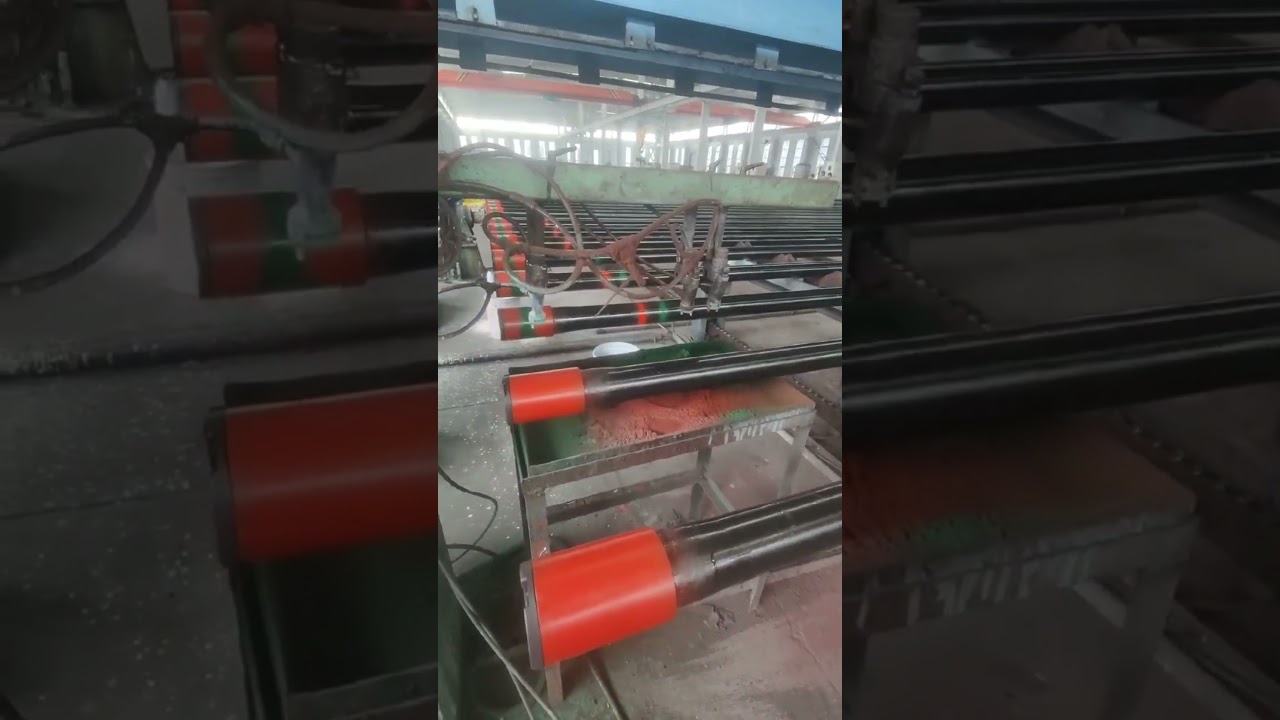 تحديات وحلول تطبيق 6 سيجما في البيئة الفنية لصناعة أغلفة الزيوت
https://youtube.com/watch?v=cfXZde_zGT8
تواجه صناعة أغلفة النفط تحديات فريدة عندما يتعلق الأمر بتنفيذ منهجيات Six Sigma في بيئتها التقنية. إحدى العقبات الرئيسية هي تعقيد العمليات في هذه الصناعة. تتطلب العمليات المعقدة التي ينطوي عليها إنتاج أغلفة النفط فهمًا عميقًا للجوانب الفنية المعنية. يمكن أن يجعل هذا التعقيد من الصعب تحديد مجالات التحسين وتنفيذ معايير Six Sigma بشكل فعال.
علاوة على ذلك، تعمل صناعة أغلفة النفط في بيئة عالية المخاطر حيث يمكن أن تؤدي الأخطاء الطفيفة إلى عواقب وخيمة. يضيف عامل الخطر المتزايد هذا طبقة أخرى من التعقيد إلى تطبيق منهجيات Six Sigma. يعد ضمان موثوقية وسلامة منتجات أغلفة النفط أمرًا بالغ الأهمية، مما يجعل من الضروري تنفيذ ممارسات Six Sigma التي يمكنها معالجة هذه المخاوف المحددة.
التحدي الآخر في تطبيق Six Sigma في صناعة أغلفة النفط هو الحاجة إلى المعرفة والخبرة المتخصصة. تتطلب الطبيعة الفنية للصناعة متخصصين لا يفهمون مبادئ Six Sigma فحسب، بل يمتلكون أيضًا فهمًا عميقًا لعمليات إنتاج أغلفة النفط. تعد هذه المعرفة المتخصصة أمرًا بالغ الأهمية لتحديد الأسباب الجذرية للعيوب، وتحسين العمليات، وضمان استيفاء معايير الجودة.
على الرغم من هذه التحديات، هناك حلول يمكن أن تساعد في التغلب على العقبات التي تحول دون تنفيذ Six Sigma في البيئة الفنية لصناعة أغلفة النفط. . أحد هذه الحلول هو الاستثمار في برامج التدريب الشاملة للموظفين. من خلال توفير التدريب على منهجيات Six Sigma المصممة خصيصًا لتلبية الاحتياجات المحددة لصناعة أغلفة النفط، يمكن للشركات تزويد القوى العاملة لديها بالمهارات والمعرفة المطلوبة لدفع تحسينات العمليات بشكل فعال.
بالإضافة إلى ذلك، يعد تعزيز ثقافة التحسين المستمر داخل المنظمة أمرًا ضروريًا للتنفيذ الناجح لـ Six Sigma. إن تشجيع الموظفين على جميع المستويات على المشاركة بنشاط في مبادرات تحسين العمليات يمكن أن يؤدي إلى بيئة عمل أكثر تعاونية وابتكارًا. يمكن أن يساعد هذا التحول الثقافي في التغلب على مقاومة التغيير والتأكد من تبني ممارسات Six Sigma في جميع أنحاء المنظمة.
يمكن أن يكون التعاون مع الخبراء والاستشاريين الخارجيين مفيدًا أيضًا لصناعة أغلفة النفط عند تنفيذ Six Sigma. يقدم الخبراء الخارجيون وجهات نظر جديدة ومعرفة متخصصة يمكن أن تكمل الجهود الداخلية. من خلال الاستفادة من الخبرات الخارجية، يمكن للشركات العاملة في صناعة أغلفة النفط الحصول على رؤى وإرشادات قيمة حول كيفية تطبيق منهجيات Six Sigma بشكل فعال لتحسين عملياتها الفنية.
في الختام، في حين أن البيئة الفنية لصناعة أغلفة النفط تمثل تحديات فريدة للتنفيذ ومن خلال منهجيات ستة سيجما، هناك حلول متاحة لمعالجة هذه العقبات. من خلال الاستثمار في التدريب وتعزيز ثقافة التحسين المستمر والتعاون مع الخبراء الخارجيين، يمكن للشركات العاملة في صناعة أغلفة النفط التغلب على التحديات وجني فوائد Six Sigma في تحسين عملياتها الفنية وضمان جودة وموثوقية منتجاتها.
أسعار الجملة لأنابيب النفط
The Oil Casing industry faces unique challenges when it comes to implementing Six Sigma methodologies in its technical environment. One of the primary obstacles is the complexity of operations within this industry. The intricate processes involved in oil casing production require a deep understanding of the technical aspects involved. This complexity can make it challenging to identify areas for improvement and implement Six Sigma effectively.
Moreover, the oil casing industry operates in a high-risk environment where even minor errors can have significant consequences. This heightened risk factor adds another layer of complexity to the application of Six Sigma methodologies. Ensuring the reliability and safety of oil casing products is paramount, making it essential to implement Six Sigma practices that can address these specific concerns.
Another challenge in applying Six Sigma in the oil casing industry is the need for specialized knowledge and expertise. The technical nature of the industry requires professionals who not only understand Six Sigma principles but also possess a deep understanding of oil casing production processes. This specialized knowledge is crucial for identifying root causes of defects, optimizing processes, and ensuring quality standards are met.
Despite these challenges, there are solutions that can help overcome the obstacles to implementing Six Sigma in the technical environment of the oil casing industry. One such solution is investing in comprehensive training programs for employees. By providing training on Six Sigma methodologies tailored to the specific needs of the oil casing industry, Companies can equip their workforce with the skills and knowledge required to drive process improvements effectively.
Additionally, fostering a culture of continuous improvement within the organization is essential for the successful implementation of Six Sigma. Encouraging employees at all levels to actively participate in process improvement initiatives can lead to a more collaborative and innovative work environment. This culture shift can help overcome resistance to change and ensure that Six Sigma practices are embraced throughout the organization.
Collaboration with external experts and consultants can also be beneficial for the oil casing industry when implementing Six Sigma. External experts bring fresh perspectives and specialized knowledge that can complement internal efforts. By leveraging external expertise, companies in the oil casing industry can gain valuable insights and guidance on how to effectively apply Six Sigma methodologies to improve their technical processes.
In conclusion, while the technical environment of the oil casing industry presents unique challenges for implementing Six Sigma methodologies, there are solutions available to address these obstacles. By investing in training, fostering a culture of continuous improvement, and collaborating with external experts, companies in the oil casing industry can overcome the challenges and reap the benefits of Six Sigma in improving their technical processes and ensuring the quality and reliability of their products.