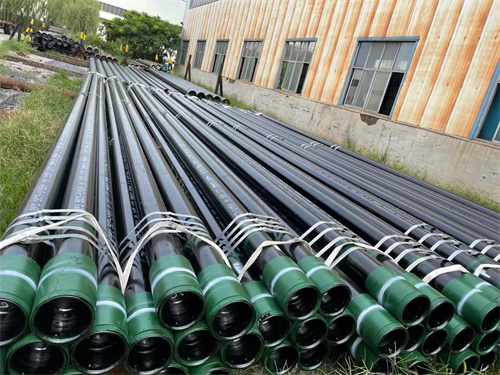
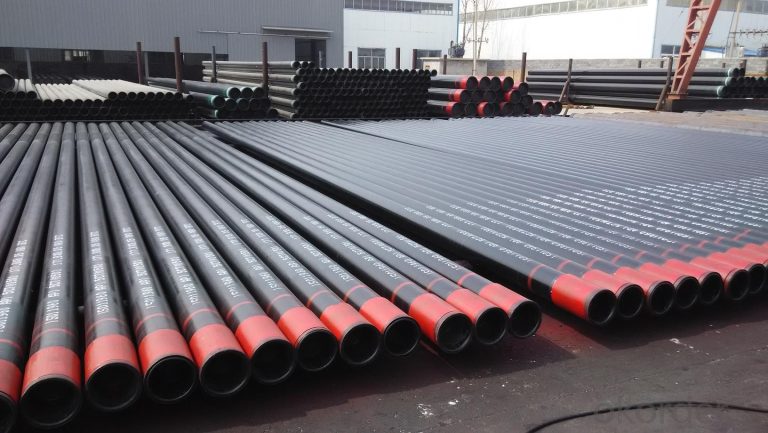
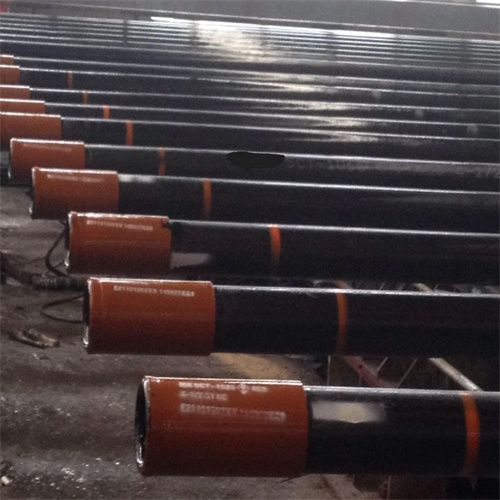
مستقبل غلاف النفط: الابتكارات والاستدامة
علبة زيت زيتون
علاوة على ذلك، فتحت التطورات في تكنولوجيا النانو إمكانيات جديدة لتعزيز أداء واستدامة أغلفة النفط. تُظهر المركبات النانوية، التي تدمج الجسيمات النانوية في المواد التقليدية مثل الفولاذ أو البوليمرات، خصائص ميكانيكية محسنة ومقاومة للتآكل والتآكل. لا تعمل هذه الابتكارات على تحسين الكفاءة التشغيلية فحسب، بل تقلل أيضًا من البصمة البيئية عن طريق تقليل استخدام المواد وإطالة عمر المعدات.
بالتوازي، يؤدي ظهور الرقمنة والتقنيات الذكية إلى إحداث ثورة في كيفية مراقبة أغلفة النفط وصيانتها. يمكن لأجهزة استشعار إنترنت الأشياء (IoT) المدمجة داخل الغلاف توفير بيانات في الوقت الفعلي عن درجة الحرارة والضغط والسلامة الهيكلية، مما يتيح الصيانة التنبؤية والكشف المبكر عن الأعطال المحتملة. لا يعمل هذا النهج الاستباقي على تعزيز السلامة والكفاءة التشغيلية فحسب، بل يقلل أيضًا من وقت التوقف عن العمل والمخاطر البيئية المرتبطة بالتسربات أو الأعطال.
علاوة على ذلك، حفز التوجه نحو الاستدامة الجهود الرامية إلى تطوير مواد قابلة للتحلل الحيوي لتغليف النفط والتي يمكن أن تتحلل دون ضرر بعد وصول البئر إلى نهاية عمره الإنتاجي. توفر البوليمرات والراتنجات القابلة للتحلل الحيوي حلاً واعدًا، مما يقلل من التأثير البيئي للآبار المهجورة ويقلل الحاجة إلى عمليات سد وهجر باهظة الثمن.
بالإضافة إلى الابتكارات المادية، تعمل التطورات في تقنيات التصنيع مثل الطباعة ثلاثية الأبعاد على إعادة تشكيل إنتاج أغلفة النفط . يتيح التصنيع الإضافي الحصول على أشكال هندسية معقدة وتصميمات مخصصة، مما يؤدي إلى تحسين أداء الغلاف وتقليل هدر المواد. تدعم هذه المرونة في التصنيع أيضًا الإنتاج حسب الطلب، مما يقلل من متطلبات المخزون وتكاليف النقل. مشهد الطاقة سريع التطور. ستستفيد الشركات التي تتبنى هذه الابتكارات من تحسين الكفاءة التشغيلية، وتقليل التأثير البيئي، وتعزيز الامتثال التنظيمي.
ومع ذلك، لا تزال هناك تحديات، لا سيما في توسيع نطاق الإنتاج وضمان موثوقية وسلامة المواد والتقنيات الجديدة. ويجب أن تتطور الأطر التنظيمية لاستيعاب هذه الابتكارات مع ضمان معايير صارمة للأداء وحماية البيئة.
في الختام، تتم إعادة تشكيل مستقبل أغلفة النفط من خلال الابتكارات التي تعطي الأولوية للاستدامة والكفاءة والأداء. من المواد المتقدمة مثل المواد المركبة وتكنولوجيا النانو إلى التقنيات الذكية والحلول القابلة للتحلل الحيوي، تستعد الصناعة لتحول نموذجي نحو
Moreover, advancements in nanotechnology have opened up new possibilities for enhancing the performance and sustainability of Oil Casing. Nanocomposites, which incorporate nanoparticles into traditional Materials like Steel or polymers, exhibit improved mechanical properties and resistance to wear and corrosion. These innovations not only optimize operational efficiency but also minimize the environmental footprint by reducing material usage and extending equipment lifespan.
In parallel, the advent of digitalization and smart technologies is revolutionizing how oil casing is monitored and maintained. IoT (Internet of Things) sensors embedded within casing can provide real-time data on temperature, pressure, and structural integrity, enabling predictive Maintenance and early detection of potential failures. This proactive approach not only enhances safety and operational efficiency but also reduces downtime and environmental risks associated with leaks or failures.
 Furthermore, the push towards sustainability has spurred efforts to develop biodegradable materials for oil casing that can decompose harmlessly after the well reaches the end of its productive life. Biodegradable polymers and resins offer a promising solution, minimizing the environmental impact of abandoned wells and reducing the need for costly plugging and abandonment operations.
In addition to material innovations, advancements in manufacturing techniques such as 3D printing are resh APIng the production of oil casing. Additive manufacturing allows for complex geometries and customized designs, optimizing casing performance and reducing material waste. This flexibility in manufacturing also supports on-demand production, reducing inventory requirements and transportation costs.
The transition towards more sustainable oil casing solutions is not just a technological imperative but also a strategic opportunity for the industry to enhance its reputation and viability in a rapidly evolving energy landscape. Companies that embrace these innovations stand to benefit from improved operational efficiency, reduced environmental impact, and enhanced regulatory compliance.
However, challenges remain, particularly in scaling up production and ensuring the reliability and safety of new materials and technologies. Regulatory frameworks must evolve to accommodate these innovations while ensuring rigorous standards for performance and environmental protection.
In conclusion, the future of oil casing is being reshaped by innovations that prioritize sustainability, efficiency, and performance. From advanced materials like composites and nanotechnology to smart technologies and biodegradable solutions, the industry is poised for a paradigm shift towards