مواد متقدمة لغطاء الزيت فائق القوة والمقاوم للتآكل
تعزيز الكفاءة والسلامة في عمليات الحفر في أعماق البحار
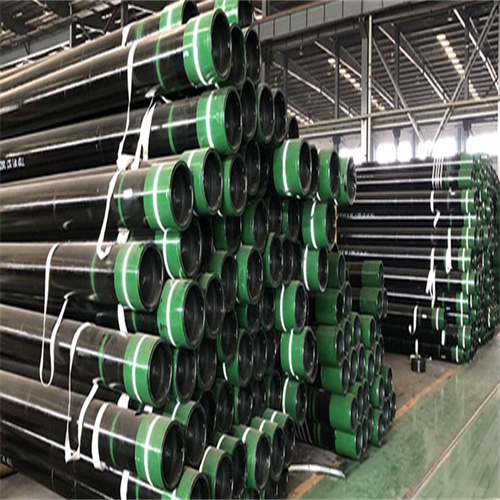
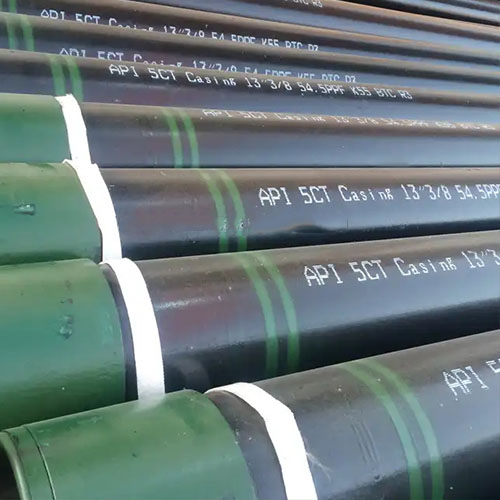
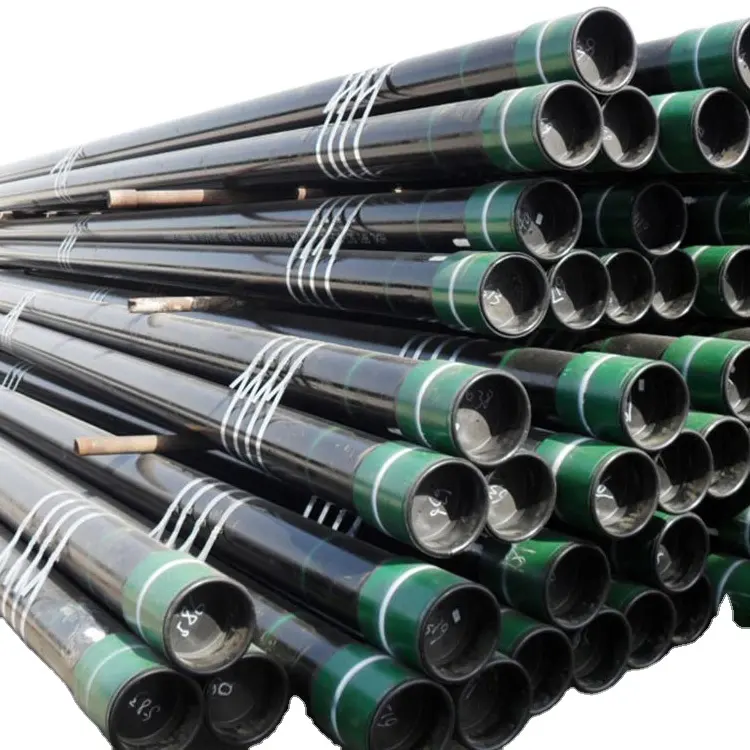
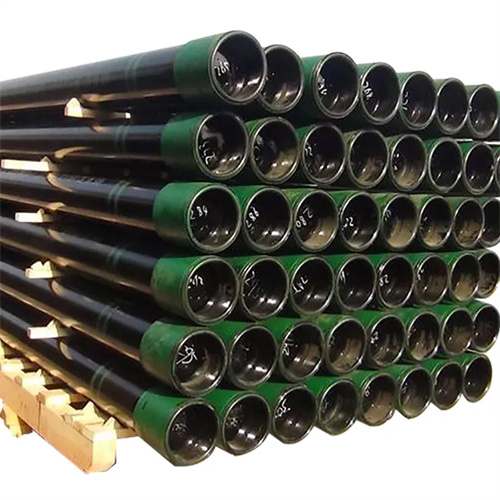
في مجال الحفر في أعماق البحار، تعمل التطورات التكنولوجية باستمرار على دفع حدود الكفاءة والسلامة. من بين العديد من المكونات الحاسمة، لا يوجد شيء محوري مثل غلاف النفط، وخاصة المتغيرات فائقة القوة والمقاومة للتآكل التي أحدثت ثورة في الصناعة.
تقليديًا، كانت عمليات الحفر في أعماق البحار محفوفة بالتحديات، ليس أقلها وهي البيئة البحرية القاسية التي تعرض المعدات لضغوط شديدة ودرجات حرارة وعناصر مسببة للتآكل. في مثل هذه الظروف الصعبة، تلعب سلامة غلاف النفط دورًا بالغ الأهمية في ضمان سلامة وفعالية عمليات الحفر.
لقد أدى ظهور مواد فائقة القوة، مثل السبائك عالية الجودة والمواد المركبة المتقدمة، إلى تعزيز القدرات بشكل كبير من أغلفة النفط. تتميز هذه المواد بنسب ملحوظة من القوة إلى الوزن، مما يسمح بتصنيع أغلفة أرق وأقوى يمكنها تحمل الضغوط الهائلة على أعماق كبيرة. لا يؤدي هذا التخفيض في وزن الغلاف إلى تبسيط التحديات اللوجستية فحسب، بل يعزز أيضًا الكفاءة التشغيلية عن طريق تقليل وقت الحفر وتكاليفه.
تعد مقاومة التآكل سمة مهمة أخرى لأغلفة النفط الحديثة المصممة للحفر في أعماق البحار. غالبًا ما تتعرض المواد التقليدية للتآكل بمرور الوقت، مما يهدد السلامة الهيكلية ويستلزم الصيانة أو الاستبدال المتكرر. وفي المقابل، توفر السبائك والطلاءات المقاومة للتآكل طول العمر والموثوقية، مما يقلل من وقت التوقف عن العمل والاضطرابات التشغيلية.
علاوة على ذلك، فإن دمج تقنيات التصنيع المتقدمة، مثل الآلات الدقيقة واللحام الآلي، يضمن الإنتاج السلس لهذه الأغلفة وفقًا للمواصفات الدقيقة. لا تعمل هذه الدقة على تحسين الجودة الشاملة للغلاف فحسب، بل تساهم أيضًا في ممارسات حفر أكثر أمانًا عن طريق تقليل احتمالية حدوث أعطال هيكلية.
أنبوب الزيت أفضل صناع الصين
 الأثر البيئي واستدامة استخراج النفط من أعماق البحار
إن استخراج النفط من أعماق البحار، وهو إنجاز من البراعة الهندسية الحديثة، يعتمد بشكل كبير على التقنيات المتقدمة للوصول إلى الهيدروكربونات واستخراجها من قاع المحيط. أحد العناصر المهمة في هذه العملية المعقدة هو غلاف الزيت فائق القوة المقاوم للتآكل. تتعمق هذه المقالة في التأثير البيئي واعتبارات الاستدامة المحيطة باستخراج النفط في أعماق البحار، مع التركيز على تطوير واستخدام هذه المعدات الأساسية.
يتضمن البحث عن موارد النفط في أعماق البحار التغلب على التحديات البيئية واللوجستية المعقدة. على عكس الحفر البري التقليدي، تتم العمليات في أعماق البحار في بيئات بحرية قاسية وحساسة، مما يمثل مخاطر ومسؤوليات فريدة من نوعها. تعد تقييمات الأثر البيئي أمرًا بالغ الأهمية في تقييم التأثيرات المحتملة على النظم البيئية البحرية، ونوعية المياه، والمجتمعات الساحلية.
تلعب أغلفة النفط فائقة القوة المقاومة للتآكل دورًا محوريًا في التخفيف من بعض هذه المخاطر. تم تصميم هذه الأغلفة لتحمل الضغوط الشديدة والظروف المسببة للتآكل الموجودة على عمق آلاف الأمتار تحت سطح المحيط. وهي تتألف من سبائك وطلاءات متقدمة، وتوفر حاجزًا موثوقًا به بين الهيدروكربونات المستخرجة وقاع البحر المحيط، مما يقلل من مخاطر التسربات أو الانسكابات التي قد تضر بالحياة البحرية والنظم البيئية.
من منظور الاستدامة، تطوير ونشر هذه التكنولوجيا هي محورية. يتعاون المهندسون وعلماء البيئة للتأكد من أن هذه الأغلفة تلبي معايير السلامة والبيئة الصارمة. تركز الأبحاث على تحسين متانة المواد ومقاومتها للتآكل مع تقليل البصمة البيئية لعمليات الإنتاج والتخلص.
تمتد الجهود المبذولة لتعزيز الاستدامة أيضًا إلى المرحلة التشغيلية. تساعد بروتوكولات المراقبة والصيانة الصارمة على اكتشاف ومنع حالات فشل الغلاف المحتملة أو الحوادث البيئية قبل تفاقمها. تتيح تقنيات الاستشعار المتقدمة وتحليلات البيانات في الوقت الفعلي إدارة استباقية للمخاطر التشغيلية، مما يضمن السلامة والإشراف البيئي.
علاوة على ذلك، تتضمن دورة حياة أغلفة الزيت فائقة القوة المقاومة للتآكل اعتبارات إعادة التدوير والتخلص منها. تهدف الممارسات المستدامة إلى استعادة المواد وإعادة استخدامها حيثما أمكن ذلك، مما يقلل الطلب على الموارد البكر ويقلل النفايات. تستمر الابتكارات في تقنيات إعادة التدوير في التطور، مما يدعم جهود الصناعة لتحقيق مبادئ الاقتصاد الدائري في استخراج النفط في أعماق البحار.
بخلاف التقدم التكنولوجي، تلعب الأطر التنظيمية والاتفاقيات الدولية دورًا حاسمًا في تعزيز الاستدامة البيئية. يضمن الامتثال الصارم للوائح التي تحكم عمليات الحفر في أعماق البحار تقليل التأثيرات البيئية إلى الحد الأدنى وأن ممارسات الصناعة تتوافق مع أهداف الحفظ العالمية.
يتطلب التقييم النقدي للأثر البيئي واستدامة استخراج النفط في أعماق البحار اتباع نهج شامل. يتعاون أصحاب المصلحة، بما في ذلك الحكومات وقادة الصناعة والمدافعون عن البيئة والمجتمعات المحلية، لتحقيق التوازن بين احتياجات الطاقة وحماية البيئة. يعزز هذا التعاون الشفافية والمساءلة والتحسين المستمر في ممارسات الصناعة.
مع استمرار الطلب العالمي على الطاقة، يظل دور أغلفة النفط فائقة القوة المقاومة للتآكل في الحفر في أعماق البحار أمرًا لا غنى عنه. ويؤكد تطورها الالتزام بالابتكار والاستدامة في قطاع النفط والغاز. يستمر التقدم في علوم وهندسة المواد في تعزيز الموثوقية والأداء البيئي لهذه المكونات الحيوية، مما يمهد الطريق لاستخراج الموارد بشكل مسؤول في بيئات أعماق البحار.
في الختام، في حين أن استخراج النفط في أعماق البحار يمثل تحديات معقدة، فإن تطوير و إن استخدام أغلفة الزيت فائقة القوة المقاومة للتآكل يجسد الجهود المستمرة للتخفيف من الأثر البيئي وتعزيز الاستدامة. ومن خلال الابتكار التكنولوجي، والرقابة التنظيمية، والمشاركة التعاونية، تسعى الصناعة جاهدة لتحقيق التوازن بين أمن الطاقة والإشراف البيئي في البحث عن موارد أعماق البحار.
In terms of safety, the robust nature of ultra-strong and corrosion-resistant Oil Casings mitigates risks associated with well integrity. Maintaining a secure wellbore is essential to prevent blowouts or leaks that could lead to environmental disasters or endanger personnel. The enhanced durability of modern casings offers operators greater confidence in the structural integrity of their wells, thereby promoting safer and more sustainable drilling practices.
Moreover, these advancements in oil casing technology align with broader industry trends towards sustainability and environmental stewardship. By minimizing the frequency of casing replacements and reducing the potential for leaks or spills, operators can significantly decrease their environmental footprint while adhering to stringent regulatory standards.
Looking ahead, the future of deep-sea drilling will likely see further innovations in oil casing technology. Research and development efforts contiNue to focus on enhancing Material properties, refining manufacturing processes, and integrating smart technologies for real-time monitoring and predictive Maintenance.
In conclusion, the evolution of ultra-strong and corrosion-resistant oil casings represents a pivotal advancement in deep-sea drilling operations. These technological marvels not only bolster efficiency and safety but also underscore the industry’s commitment to innovation and sustainability. As exploration ventures into increasingly challenging environments, the role of advanced oil casings will remain indispensable in supporting safe, efficient, and environmentally responsible drilling practices.
Environmental Impact and Sustainability of Deep-Sea Oil Extraction
Deep-sea oil extraction, a feat of modern engineering prowess, relies heavily on advanced technologies to reach and extract hydrocarbons from the ocean floor. One critical component in this complex process is the ultra-strong corrosion-resistant oil casing. This article delves into the environmental impact and sustainability considerations surrounding deep-sea oil extraction, with a focus on the development and use of such essential equipment.
The quest for deep-sea oil resources involves navigating complex environmental and logistical challenges. Unlike traditional onshore drilling, deep-sea operations occur in harsh and sensitive marine environments, presenting unique risks and responsibilities. Environmental impact assessments are crucial in evaluating potential effects on marine ecosystems, water quality, and coastal communities.
Ultra-strong corrosion-resistant oil casings play a pivotal role in mitigating some of these risks. These casings are designed to withstand extreme pressures and corrosive conditions found thousands of meters below the ocean’s surface. Composed of advanced alloys and coatings, they provide a reliable barrier between the extracted hydrocarbons and the surrounding seabed, minimizing the risk of leaks or spills that could harm marine life and ecosystems.
From a sustainability perspective, the development and deployment of such technology are pivotal. Engineers and environmental scientists collaborate to ensure that these casings meet stringent safety and environmental standards. Research focuses on improving material durability and Corrosion resistance while minimizing the environmental footprint of production and disposal processes.
Efforts to enhance sustainability also extend to the operational phase. Rigorous monitoring and maintenance protocols help detect and prevent potential casing failures or environmental incidents before they escalate. Advanced sensing technologies and real-time data analytics enable proactive management of operational risks, ensuring both safety and environmental stewardship.
Moreover, the lifecycle of ultra-strong corrosion-resistant oil casings includes considerations for recycling and disposal. Sustainable practices aim to recover and reuse materials where feasible, reducing the demand for virgin resources and minimizing waste. Innovations in recycling technologies continue to evolve, supporting industry efforts to achieve circular economy principles in deep-sea oil extraction.
Beyond technological advancements, regulatory frameworks and international agreements play a crucial role in promoting environmental sustainability. Strict compliance with regulations governing deep-sea drilling operations ensures that environmental impacts are minimized and that industry practices align with global conservation goals.
Critically assessing the environmental impact and sustainability of deep-sea oil extraction requires a holistic approach. Stakeholders, including governments, industry leaders, environmental advocates, and local communities, collaborate to balance energy needs with environmental protection. This collaboration fosters transparency, accountability, and continuous improvement in industry practices.
As global energy demands persist, the role of ultra-strong corrosion-resistant oil casings in deep-sea drilling remains indispensable. Their evolution underscores a commitment to innovation and sustainability in the Oil and Gas sector. Advances in materials science and engineering continue to enhance the reliability and environmental performance of these critical components, paving the way for responsible resource extraction in deep-sea environments.
In conclusion, while deep-sea oil extraction presents complex challenges, the development and utilization of ultra-strong corrosion-resistant oil casings exemplify ongoing efforts to mitigate environmental impact and promote sustainability. Through technological innovation, regulatory oversight, and collaborative engagement, the industry strives to achieve a balance between energy security and environmental stewardship in the quest for deep-sea resources.