المواد المركبة المبتكرة في أغلفة الزيت: تعزيز المتانة والأداء
دور السبائك المتقدمة في تغليف النفط: تحليل شامل للقوة ومقاومة التآكل
في صناعة النفط والغاز، تعد سلامة أغلفة الآبار أمرًا بالغ الأهمية، حيث أن هذه الهياكل ضرورية للحفاظ على استقرار الآبار ومنع تلوث المياه الجوفية. يعد اختيار المواد المستخدمة في أغلفة النفط أمرًا بالغ الأهمية، خاصة في البيئات التي تعرض هذه المواد لظروف قاسية، بما في ذلك الضغوط العالية ودرجات الحرارة والمواد المسببة للتآكل. ومن بين المواد المختلفة المتاحة، برزت السبائك المتقدمة كخيار رائد نظرًا لقوتها الفائقة ومقاومتها للتآكل. يتطرق هذا المقال إلى دور هذه السبائك المتقدمة في تغليف النفط، ويسلط الضوء على أهميتها في تعزيز طول عمر وموثوقية عمليات استخراج النفط.
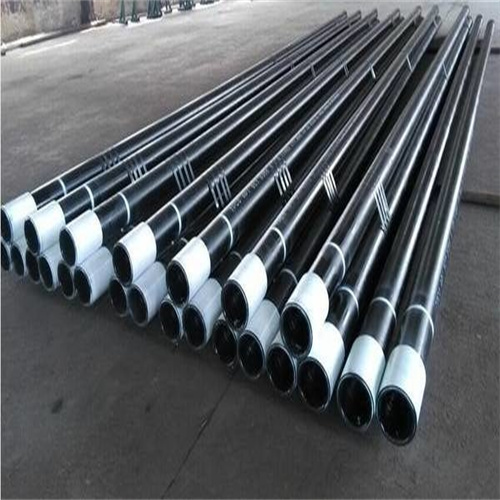
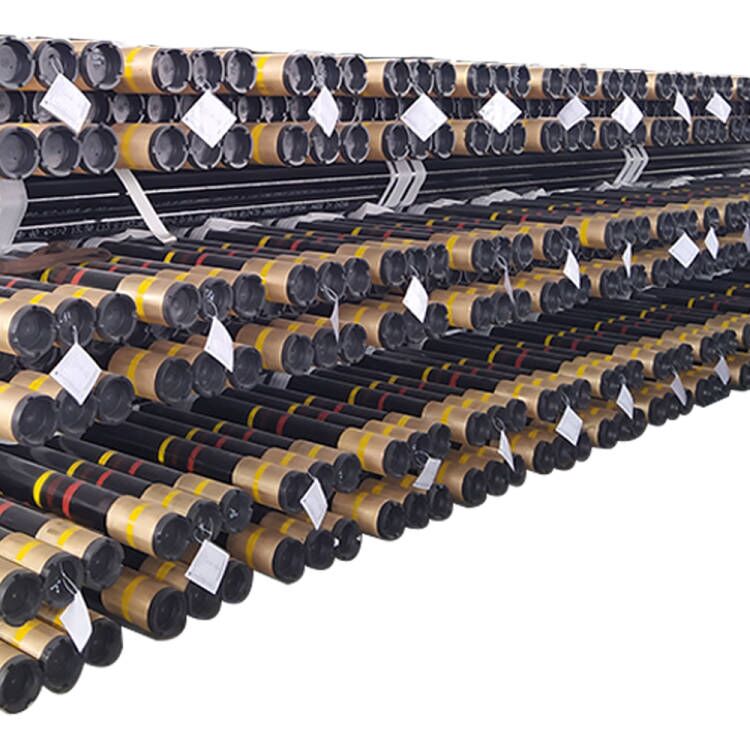
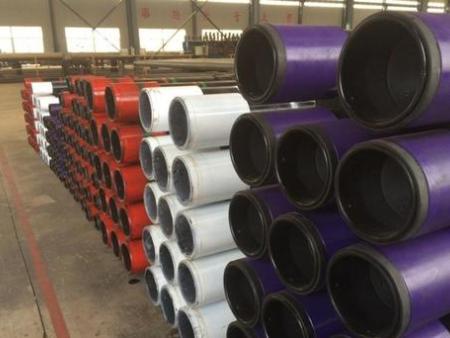
أنابيب الغلاف

لا يمكن إغفال الانعكاسات الاقتصادية لاستخدام السبائك المتطورة في أغلفة النفط. في حين أن التكلفة الأولية لهذه المواد قد تكون أعلى من الخيارات التقليدية، إلا أن الفوائد طويلة المدى، بما في ذلك انخفاض تكاليف الصيانة، وتقليل حالات الفشل، وإطالة عمر الخدمة، غالبًا ما تفوق الاستثمار الأولي. من خلال تقليل تكرار عمليات الإصلاح والاستبدال، يمكن للمشغلين تحقيق وفورات كبيرة في التكاليف على مدار عمر البئر.
في الختام، يعد دور السبائك المتقدمة في أغلفة النفط أمرًا محوريًا في مواجهة التحديات التي تفرضها صناعة النفط والغاز. إن قوتها الاستثنائية ومقاومتها للتآكل وقدرتها على التكيف مع الظروف القاسية تجعلها خيارًا لا غنى عنه لضمان سلامة وطول عمر آبار النفط. ومع استمرار تطور الصناعة، فإن التطوير والتطبيق المستمر لهذه المواد المتقدمة سوف يلعب دورًا حاسمًا في تعزيز الكفاءة التشغيلية والاستدامة في عمليات استخراج النفط.
Moreover, the development of advanced alloys has been driven by the need for Materials that can perform effectively in deepwater and unconventional Oil extraction scenarios. As the industry pushes the boundaries of exploration into deeper and more challenging environments, the demand for materials that can withstand increased pressures and temperatures has grown. Advanced alloys, with their tailored compositions and microstructures, are capable of meeting these demands, ensuring that Oil Casing remains robust and reliable even in the most extreme conditions.
In addition to their mechanical and corrosion-resistant properties, advanced alloys also offer advantages in terms of manufacturability and weldability. The ability to fabricate these materials into complex shapes and sizes is essential for the production of oil casing components. Furthermore, advancements in welding techniques have enabled the joining of these alloys with minimal loss of mechanical properties, ensuring that the integrity of the casing is maintained throughout its lifecycle.
The economic implications of using advanced alloys in oil casing cannot be overlooked. While the initial cost of these materials may be higher than traditional options, the long-term benefits, including reduced Maintenance costs, fewer failures, and extended service life, often outweigh the upfront investment. By minimizing the frequency of Repairs and replacements, operators can achieve significant cost savings over the life of the well.
In conclusion, the role of advanced alloys in oil casing is pivotal in addressing the challenges posed by the Oil and Gas industry. Their exceptional strength, Corrosion resistance, and adaptability to extreme conditions make them an indispensable choice for ensuring the integrity and longevity of Oil Wells. As the industry contiNues to evolve, the ongoing development and application of these advanced materials will play a crucial role in enhancing operational efficiency and sustainability in oil extraction processes.