أهمية غلاف الأنابيب في بناء الآبار
فهم الأنابيب في بناء الآبار: الأنواع والتطبيقات
إنشاء البئر: أنابيب التغليف والأنابيب
أنبوب النفط 300tdi عندما يتعلق الأمر ببناء الآبار، تلعب أنابيب التغليف والأنابيب أدوارًا حيوية في الحفاظ على سلامة وكفاءة آبار النفط والغاز. تخدم الأنابيب، على وجه الخصوص، وظائف متعددة، بدءًا من توفير قناة لسوائل الإنتاج وحتى دعم السلامة الهيكلية للبئر. يعد فهم أنواع الأنابيب وتطبيقاتها أمرًا بالغ الأهمية لضمان نجاح وطول عمر عمليات الآبار.
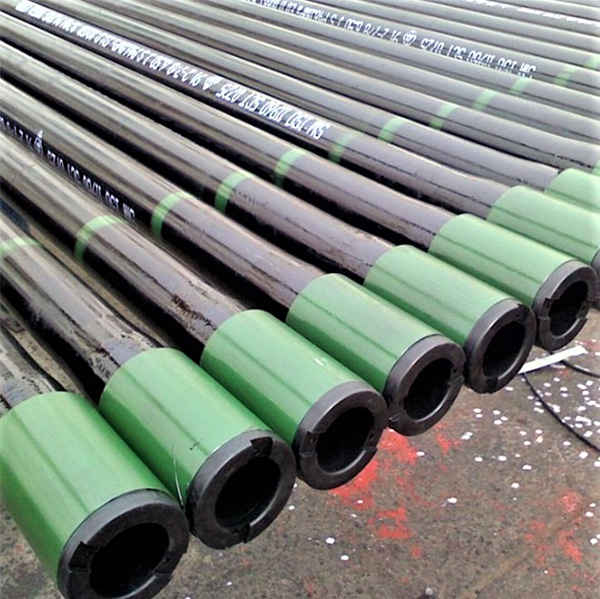
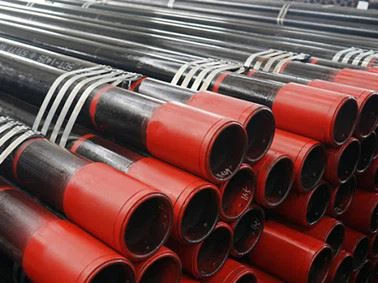
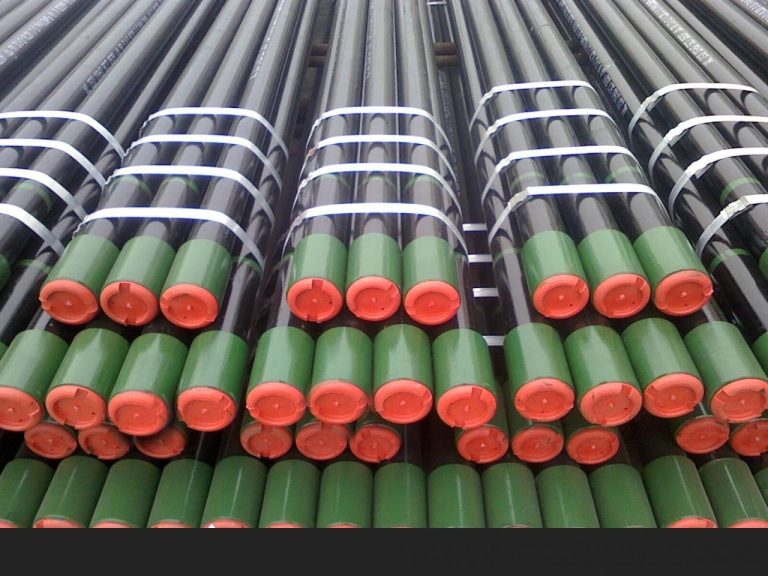
يتم إدخال الأنابيب، المصنوعة عادةً من الفولاذ، في حفرة البئر لتسهيل استخراج الهيدروكربونات من الخزانات الجوفية. إنه يختلف عن أنبوب التغليف من حيث الحجم والغرض. في حين أن أنبوب التغليف أكبر ويعمل كمكون هيكلي أساسي للبئر، فإن الأنابيب أصغر حجمًا وتعمل بشكل أساسي على نقل السوائل إلى السطح.
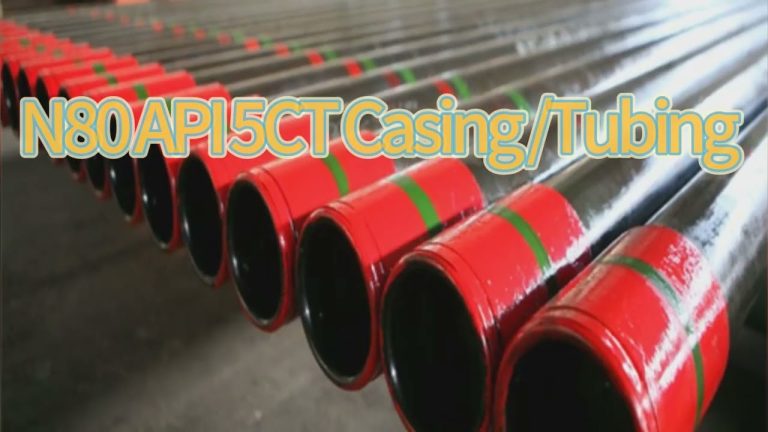
أنابيب الفولاذ الكربوني غير الملحومة هناك عدة أنواع من الأنابيب المستخدمة في بناء الآبار، ولكل منها خصائصه الخاصة والتطبيقات. تشمل الأنواع الأكثر شيوعًا أنابيب الإنتاج، وأنابيب الحقن، وأنابيب سلسلة السرعة. تُستخدم أنابيب الإنتاج، كما يوحي الاسم، لاستخراج النفط أو الغاز من المكمن إلى السطح. إنه مصمم لتحمل بيئات الضغط العالي والسوائل المسببة للتآكل.
من ناحية أخرى، تُستخدم أنابيب الحقن لحقن السوائل مثل الماء أو المواد الكيميائية في الخزان لتعزيز الإنتاج أو تسهيل طرق الاسترداد الثانوية. يجب أن تكون متينة ومقاومة للتآكل لضمان كفاءة عمليات الحقن.
أنابيب سلسلة السرعة هي نوع متخصص من الأنابيب المستخدمة في الآبار ذات سرعات السوائل العالية. يساعد على التحكم في تدفق السوائل ويمنع تآكل أو تلف مكونات البئر بسبب التدفق عالي السرعة. غالبًا ما تُصنع أنابيب السرعة من مواد ذات مقاومة عالية للتآكل، مثل السبائك المقاومة للتآكل.
يعتمد اختيار الأنابيب على عوامل مختلفة، بما في ذلك خصائص الخزان وتصميم البئر ومتطلبات الإنتاج. يجب على المهندسين مراعاة عوامل مثل الضغط ودرجة الحرارة وخصائص السوائل والبيئات المسببة للتآكل عند اختيار مادة الأنابيب ومواصفاتها المناسبة.
بالإضافة إلى اختيار المواد، يعد حجم الأنابيب والوصلات من الاعتبارات الحاسمة في بناء الآبار. يجب أن تكون الأنابيب متوافقة مع المعدات الأخرى الموجودة أسفل البئر، مثل المضخات وأجهزة التعبئة والصمامات، لضمان التشغيل السلس. تُستخدم الوصلات الملولبة بشكل شائع لربط أقسام الأنابيب وتوفير ختم آمن ضد تسرب السوائل.
يعد التركيب والصيانة الصحيحة للأنابيب أمرًا ضروريًا لزيادة إنتاجية البئر وطول العمر. يجب فحص سلامة الأنابيب بانتظام للكشف عن أي علامات للتآكل أو التآكل أو التلف الميكانيكي الذي قد يؤثر على أداء البئر. يمكن استخدام مثبطات التآكل والطلاءات لإطالة عمر خدمة الأنابيب والحماية من البيئات المسببة للتآكل.
في الختام، تلعب الأنابيب دورًا حاسمًا في بناء الآبار من خلال تسهيل إنتاج السوائل والحقن والتحكم في التدفق. يعد فهم أنواع الأنابيب وتطبيقاتها أمرًا ضروريًا لتصميم وتشغيل آبار النفط والغاز الفعالة والموثوقة. يجب على المهندسين أن يأخذوا بعين الاعتبار عوامل مثل اختيار المواد والحجم والوصلات لضمان الأداء الأمثل وطول عمر الأنابيب في عمليات البئر. ومن خلال إعطاء الأولوية لممارسات التثبيت والصيانة المناسبة، يمكن للمشغلين زيادة كفاءة الإنتاج إلى الحد الأقصى وتقليل وقت التوقف عن العمل، مما يؤدي في النهاية إلى تعزيز ربحية أصول الآبار الخاصة بهم.
Understanding Tubing in Well Construction: Types and Applications
Well Construction: Casing Pipe and Tubing
300tdi Oil pipeWhen it comes to well construction, casing pipe and tubing play vital roles in maintaining the integrity and efficiency of Oil and Gas wells. Tubing, in particular, serves multiple functions, from providing a conduit for production fluids to supporting the well’s structural integrity. Understanding the types and applications of tubing is crucial for ensuring the success and longevity of well operations.
Tubing, typically made of Steel, is inserted into the wellbore to facilitate the extraction of hydrocarbons from underground reservoirs. It differs from casing pipe in both size and purpose. While casing pipe is larger and serves as the primary structural component of the well, tubing is smaller and primarily functions to transport fluids to the surface.
Seamless Carbon steel PipeThere are several types of tubing used in well construction, each with its own characteristics and applications. The most common types include production tubing, injection tubing, and velocity string tubing. Production tubing, as the name suggests, is used to extract oil or gas from the reservoir to the surface. It is designed to withstand high-pressure environments and corrosive fluids.
Injection tubing, on the other hand, is used to inject fluids such as water or chemicals into the reservoir to enhance production or facilitate secondary recovery methods. It must be durable and resistant to corrosion to ensure efficient injection operations.
Velocity string tubing is a specialized type of tubing used in wells with high fluid velocities. It helps control the flow of fluids and prevents erosion or damage to the well components due to high-speed flow. Velocity string tubing is often made of Materials with high erosion resistance, such as corrosion-resistant alloys.
The selection of tubing depends on various factors, including reservoir characteristics, well design, and production requirements. Engineers must consider factors such as pressure, temperature, fluid properties, and corrosive environments when choosing the appropriate tubing material and specifications.
In addition to material selection, tubing size and Connections are critical considerations in well construction. Tubing must be compatible with other downhole equipment, such as Pumps, Packers, and valves, to ensure seamless operation. Threaded connections are commonly used to join tubing sections and provide a secure Seal against fluid Leakage.
Proper installation and Maintenance of tubing are essential for maximizing well productivity and longevity. Tubing integrity must be regularly inspected to detect any signs of corrosion, wear, or mechanical damage that could compromise well performance. Corrosion inhibitors and coatings may be applied to extend the service life of tubing and protect against corrosive environments.
In conclusion, tubing plays a crucial role in well construction by facilitating fluid production, injection, and flow control. Understanding the types and applications of tubing is essential for designing and operating efficient and reliable oil and gas wells. Engineers must carefully consider factors such as material selection, size, and connections to ensure optimal performance and longevity of tubing in well operations. By prioritizing proper installation and maintenance practices, operators can maximize production efficiency and minimize downtime, ultimately enhancing the profitability of their well assets.