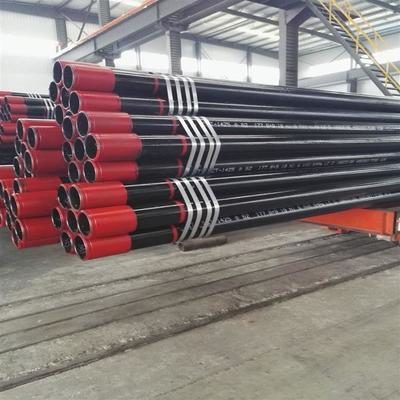
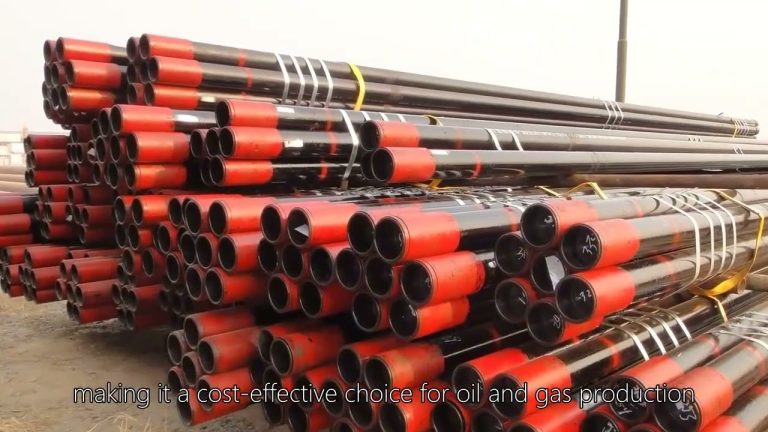
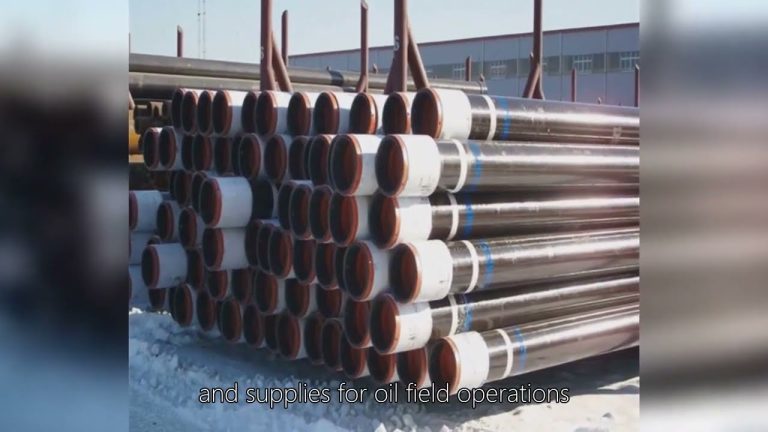
يعد الغلاف السطحي عنصرًا حاسمًا في عمليات التنقيب عن النفط والغاز. إنه يخدم العديد من الوظائف الهامة، التي تركز في المقام الأول على حماية البيئة وضمان سلامة حفرة البئر. في هذا القسم، سنستكشف مفهوم الغلاف السطحي بالتفصيل، بما في ذلك الغرض منه والمواد المستخدمة وعملية تثبيته في مكانه.
أنابيب التغليف، غلاف أنابيب الآبار، غلاف الأنابيب العليا، الغلاف مقابل الأنابيب الحاملة، غلاف أنابيب التيار المتردد، غلاف الأنابيب الفولاذية، حجم أنبوب التغليف، غلاف سعر الأنابيب البلاستيكية، أنابيب التغليف، موردي أنابيب التغليف في الصين، غلاف أنابيب السد، حفر الغلاف الأنابيب ، الأنابيب الناقلة ، حجم أنبوب التغليف ، شفة البطانة ، جلبة البطانة ، البطانة ، ذراع البطانة ، محمل البطانة ، مخفض البطانة ، أداة البطانة ، البطانة البلاستيكية ، معنى البطانة
عندما يتعلق الأمر بالمواد المستخدمة في تغليف الأسطح، فإن الفولاذ هو الخيار الأكثر شيوعًا. يوفر الفولاذ قوة ومتانة ممتازة، مما يجعله مناسبًا لتحمل الضغوط العالية والضغوط التي تتم مواجهتها أثناء عمليات الحفر. بالإضافة إلى ذلك، فإن الغلاف الفولاذي مقاوم للتآكل، وهو أمر ضروري لضمان سلامة البئر على المدى الطويل.
لضمان ملاءمة آمنة، يتم تثبيت الغلاف السطحي في مكانه. تتضمن عملية الأسمنت ضخ ملاط من الأسمنت في المساحة الحلقية بين الغلاف وحفرة البئر. تخدم هذه العملية عدة وظائف مهمة. أولاً، يوفر ختمًا بين الغلاف وحفرة البئر، مما يمنع انتقال السوائل والغازات. ثانيًا، يساعد على دعم وزن الغلاف والحفاظ على موضعه. أخيرًا، يوفر الأسمنت سلامة هيكلية إضافية لحفرة البئر، مما يعزز الغلاف ويمنع أي انهيار محتمل.
تبدأ عملية الأسمنت بتحضير ملاط الأسمنت، والذي يتكون عادةً من مزيج من الأسمنت البورتلاندي والماء والمواد المضافة. يتم بعد ذلك ضخ هذا الملاط إلى أسفل الغلاف وتعميمه في المساحة الحلقية بين الغلاف وحفرة البئر. بمجرد ضخ الحجم المطلوب من الأسمنت، يتم عادةً إزاحة الغلاف بطين الحفر لضمان التغطية الكاملة للمساحة الحلقية.
يمكن أن تساعد العبارات الانتقالية مثل “أولاً” و”ثانيًا” و”أخيرًا” في توجيه القارئ. من خلال المادة وتوفير التدفق السلس للمعلومات. بالإضافة إلى ذلك، يمكن استخدام عبارات مثل “بالإضافة إلى ذلك” و”علاوة على ذلك” و”علاوة على ذلك” لتقديم أفكار جديدة وتقديم المزيد من التفاصيل.
باختصار، يعد الغلاف السطحي عنصرًا حاسمًا في عمليات التنقيب عن النفط والغاز. والغرض الأساسي منه هو حماية طبقات المياه الجوفية العذبة ومنع حفرة البئر من الانهيار. عادةً ما يكون الغلاف السطحي مصنوعًا من الفولاذ ويتم تثبيته في مكانه باستخدام ملاط من الأسمنت. وهذا يضمن ملاءمة آمنة ويوفر سلامة هيكلية إضافية لحفرة البئر. يعد فهم أهمية الغلاف السطحي أمرًا بالغ الأهمية لضمان ممارسات الحفر الآمنة والصديقة للبيئة.
surface Casing: Surface casing is the first casing that is run into the wellbore and extends from the surface to a certain depth. Its purpose is to protect freshwater aquifers and prevent the wellbore from collapsing. Surface casing is usually made of Steel and is cemented into place to ensure a secure fit
Surface casing is a crucial component in Oil and Gas drilling operations. It serves multiple important functions, primarily focused on protecting the environment and ensuring the integrity of the wellbore. In this section, we will explore the concept of surface casing in detail, including its purpose, Materials used, and the process of Cementing it into place.
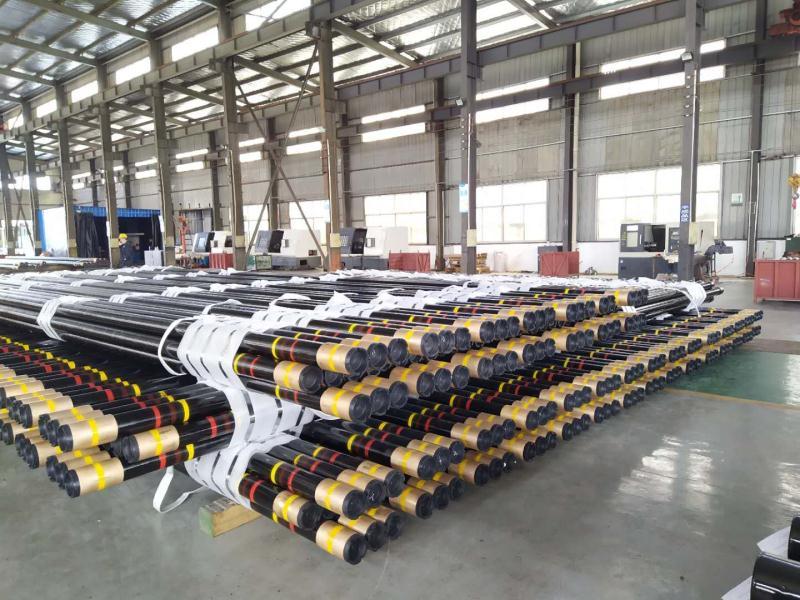
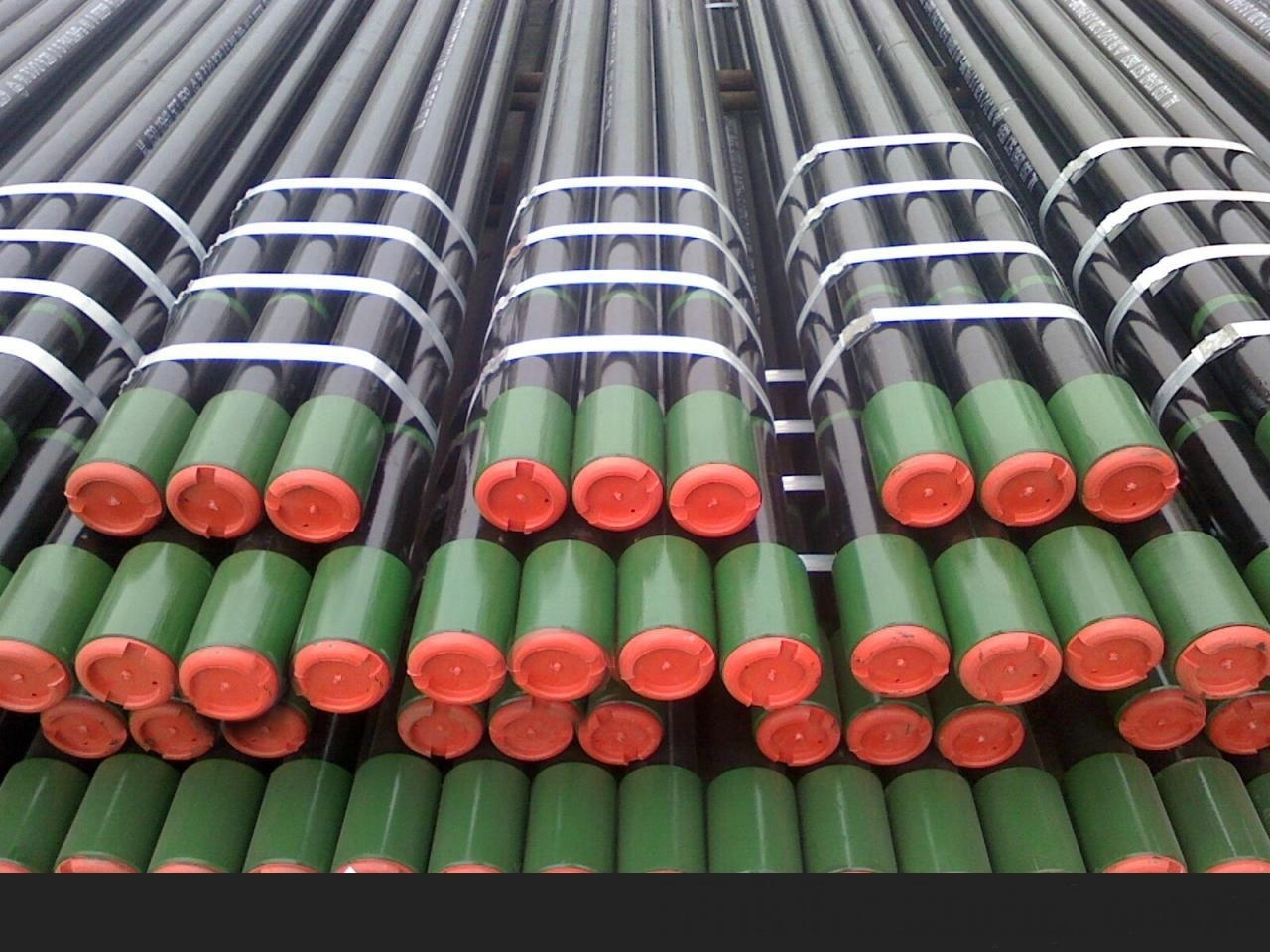 Surface casing is the first casing that is run into the wellbore and extends from the surface to a certain depth. Its primary purpose is to protect freshwater aquifers from contamination and prevent the wellbore from collapsing. By creating a barrier between the wellbore and the surrounding formations, surface casing plays a vital role in maintaining the integrity of the well and preventing any potential harm to the environment.
Casing Pipe,casing well pipe, casing supreme pipe, casing vs carrier pipe, casing for ac pipe, casing Steel Pipe, casing pipe size, casing pvc pipe Price, casing pipe, casing pipe Suppliers in china, casing capping pipe, casing drill pipe,carrier pipe,casing pipe size,bushing flange,bushing Sleeve,bushing,bushing arm,bushing bearing,bushing reducer,bushing tool,bushing pvc,bushing meaning
When it comes to the materials used for surface casing, steel is the most common choice. Steel offers excellent strength and durability, making it suitable to withstand the high pressures and stresses encountered during drilling operations. Additionally, steel casing is resistant to corrosion, which is essential for ensuring the long-term integrity of the well.
To ensure a secure fit, surface casing is cemented into place. Cementing involves Pumping a slurry of cement into the annular space between the casing and the wellbore. This process serves several important functions. First, it provides a Seal between the casing and the wellbore, preventing the migration of fluids and gases. Second, it helps to support the Weight of the casing and maintain its position. Finally, cementing provides additional structural integrity to the wellbore, reinforcing the casing and preventing any potential collapse.
The cementing process begins with the preparation of the cement slurry, which typically consists of a blend of Portland cement, water, and additives. This slurry is then pumped down the casing and circulated into the annular space between the casing and the wellbore. Once the desired volume of cement has been pumped, the casing is typically displaced with drilling mud to ensure complete coverage of the annular space.
Transitional phrases such as “firstly,” “secondly,” and “finally” can help guide the reader through the article and provide a Smooth flow of information. Additionally, phrases like “in addition,” “moreover,” and “furthermore” can be used to introduce new ideas and provide further details.
In summary, surface casing is a critical component in oil and gas drilling operations. Its primary purpose is to protect freshwater aquifers and prevent the wellbore from collapsing. Surface casing is typically made of steel and is cemented into place using a slurry of cement. This ensures a secure fit and provides additional structural integrity to the wellbore. Understanding the importance of surface casing is crucial for ensuring safe and environmentally conscious drilling practices.