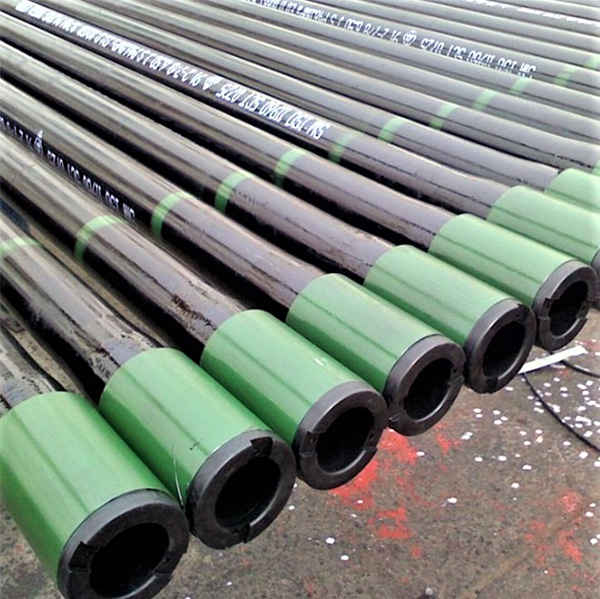
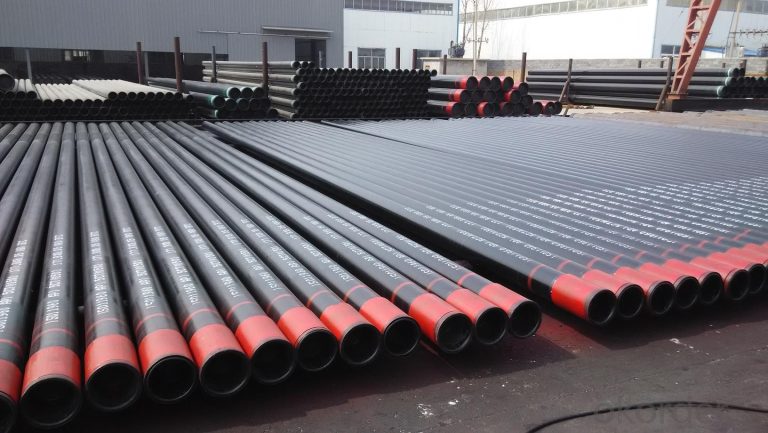
غلاف الموصل: الغرض وعملية التثبيت
انتقاليًا، من المهم ملاحظة أنه في حين أن غلاف الموصل والغلاف السطحي يخدمان أغراضًا مختلفة في عملية الحفر، إلا أنهما يلعبان دورًا حاسمًا في ضمان سلامة واستقرار حفرة البئر. يعد غلاف الموصل هو خط الدفاع الأول في دعم هيكل حفرة البئر، بينما يوفر الغلاف السطحي العزل والحماية للبيئة المحيطة.
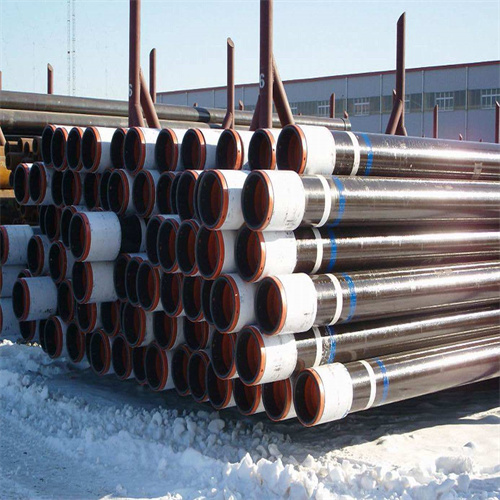
باختصار، يكمن الاختلاف الرئيسي بين غلاف الموصل والغلاف السطحي في أعماقهما وأقطارهما ووظائفهما المحددة في عملية الحفر. يتم تركيب غلاف الموصل على عمق أقل عمقًا لتحقيق الاستقرار في حفرة البئر، بينما يتم تثبيت الغلاف السطحي على عمق أعمق لحماية المياه الجوفية ومنع هجرة السوائل. يعمل كلا سلسلتي الغلاف معًا لخلق بيئة حفر آمنة وفعالة، مما يضمن نجاح عمليات آبار النفط والغاز.
التغليف السطحي: الوظائف والأهمية في حفر الآبار
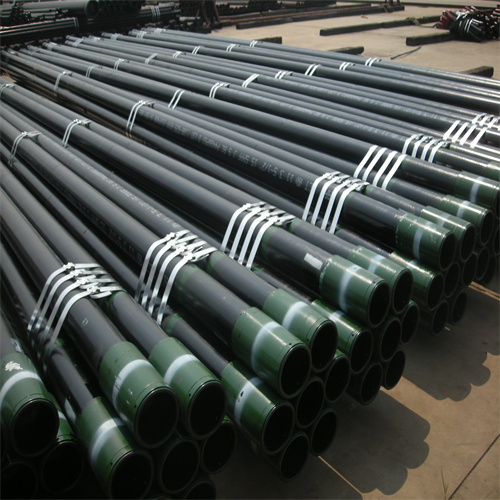
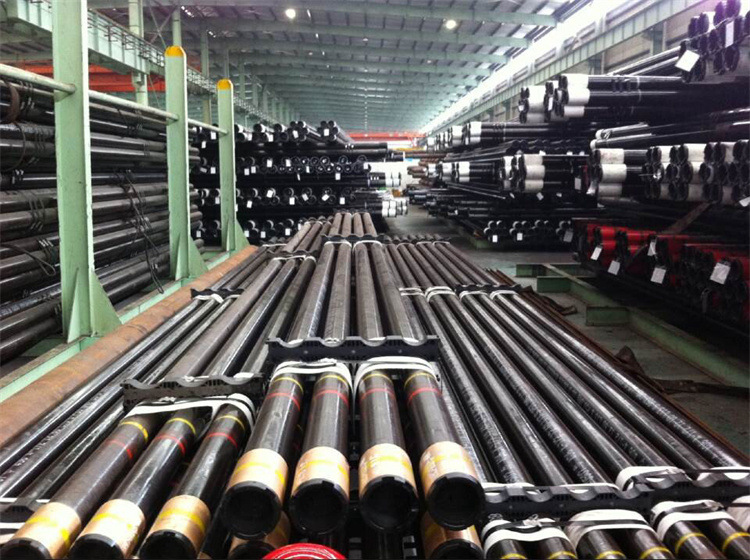
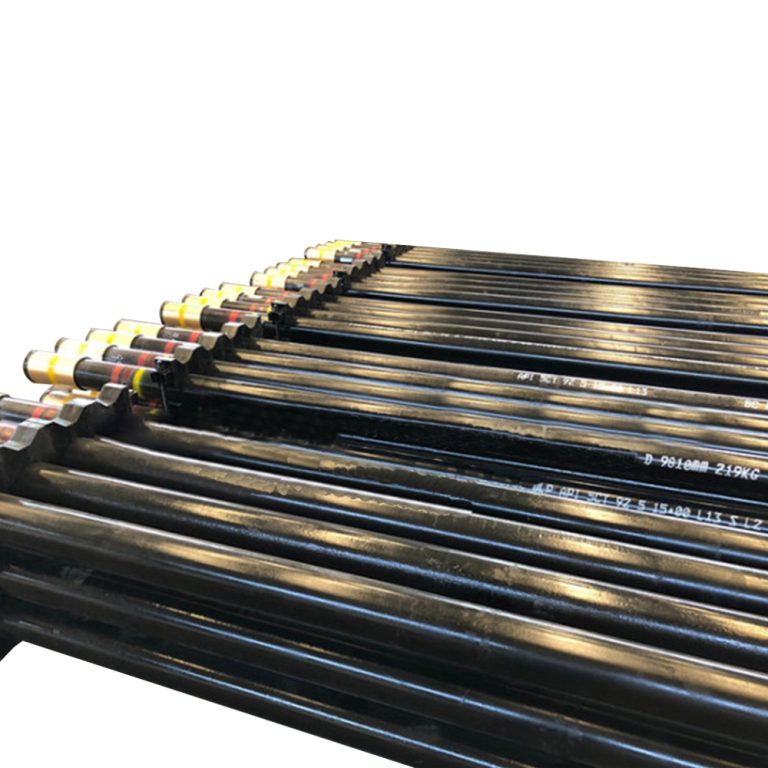
من ناحية أخرى، فإن غلاف الموصل عبارة عن سلسلة غلاف ذات قطر أكبر يتم وضعها بشكل أعمق في حفرة البئر مقارنة بغلاف السطح. يتم استخدام غلاف الموصل بشكل أساسي لتوفير الدعم الهيكلي للبئر أثناء عمليات الحفر في الظروف الجيولوجية الصعبة. إنه يساعد في الحفاظ على سلامة حفرة البئر ويمنع عدم استقرار الحفرة في التكوينات ذات الضغوط العالية أو درجات الحرارة أو التكوينات الصخرية غير المستقرة.
أنابيب التغليف، أنابيب التغليف بشكل جيد، الأنابيب العليا، الغلاف مقابل الأنابيب الحاملة، غلاف أنابيب التيار المتردد، غلاف الفولاذ الأنابيب ، حجم أنبوب التغليف ، غلاف سعر الأنابيب البلاستيكية ، غلاف الأنابيب ، موردي أنابيب الغلاف في الصين ، غلاف أنبوب السد ، غلاف أنبوب الحفر ، أنبوب الناقل ، حجم أنبوب الغلاف ، شفة البطانة ، جلبة الأكمام ، البطانة ، ذراع البطانة ، محمل البطانة ، البطانة المخفض، أداة البطانة، البطانة البلاستيكية، معنى البطانة على عكس الغلاف السطحي، لا يتم عادةً تثبيت غلاف الموصل في مكانه ولكن بدلاً من ذلك يتم دفعه أو نفثه في الأرض للوصول إلى العمق المطلوب. الغرض الأساسي من غلاف الموصل هو تسهيل حفر البئر إلى أعماق أعمق من خلال توفير أساس ثابت لسلاسل الغلاف اللاحقة. من خلال تثبيت حفرة البئر في تكوينات مستقرة، يساعد غلاف الموصل على تقليل مخاطر انهيار حفرة البئر ويضمن إكمال عمليات الحفر بنجاح.
باختصار، يكمن الاختلاف الرئيسي بين غلاف الموصل والغلاف السطحي في وظائف كل منهما وعمق التثبيت داخل حفرة البئر. يتم تركيب الغلاف السطحي على أعماق أقل عمقًا لحماية طبقات المياه الجوفية العذبة، ومنع التلوث، وتوفير الدعم الهيكلي لحفرة البئر. ومن ناحية أخرى، يتم وضع غلاف الموصل على أعماق أعمق لتوفير الاستقرار والدعم الهيكلي لعمليات الحفر في الظروف الجيولوجية الصعبة.
العبارات الانتقالية مثل “في الملخص”، و”من ناحية أخرى”، و”على عكس” دليل المساعدة القارئ من خلال مناقشة غلاف الموصل والغلاف السطحي، مع تسليط الضوء على أدوارهما وأهميتهما المتميزة في عمليات حفر الآبار. من خلال فهم الاختلافات بين غلاف الموصل والغلاف السطحي، يمكن لمحترفي الحفر تصميم وبناء آبار آمنة وفعالة ومسؤولة بيئيًا بشكل فعال.
When it comes to well drilling in the Oil and Gas industry, surface Casing and conductor casing play crucial roles in ensuring the safety and integrity of the well. While both types of casing are essential components of the drilling process, they serve different functions and are installed at different depths within the wellbore. Understanding the key Differences between conductor casing and surface casing is vital for drilling engineers and technicians to effectively plan and execute well Construction projects.
Surface casing is the first Casing string that is set in a wellbore during the drilling process. It is typically installed to protect freshwater aquifers and prevent contamination of groundwater sources. Surface casing is usually cemented in place to create a barrier between the wellbore and the surrounding geological formations. By isolating the wellbore from potential sources of contamination, surface casing helps mitigate the risk of environmental damage and ensures compliance with regulatory requirements.
One of the primary functions of surface casing is to provide structural support to the wellbore and prevent its collapse during drilling operations. The installation of surface casing also helps stabilize the wellbore, especially in unconsolidated or weak formations where the risk of a wellbore collapse is higher. Additionally, surface casing serves as a conduit for drilling fluids and allows for the installation of blowout preventers and other well control equipment at the surface.
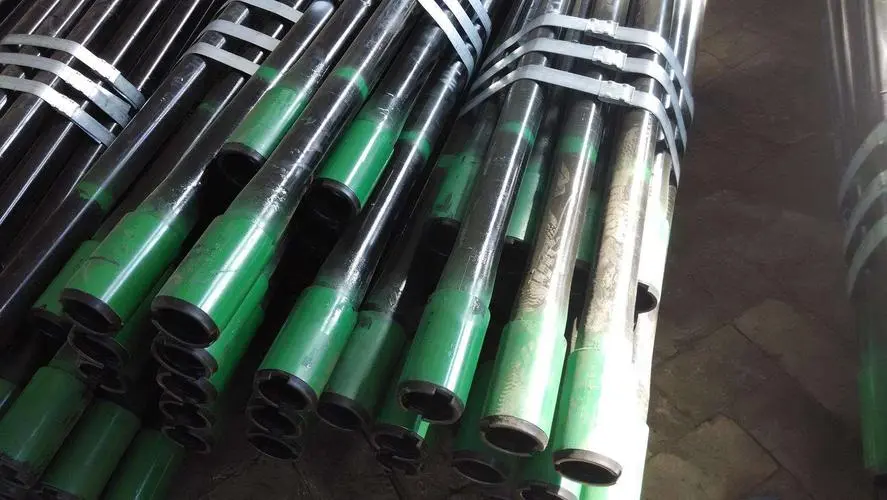
Conductor casing, on the other hand, is a larger-Diameter casing string that is set deeper in the wellbore compared to surface casing. Conductor casing is primarily used to provide structural support for the well during drilling operations in challenging geological conditions. It helps maintain the integrity of the wellbore and prevents hole instability in formations with high pressures, temperatures, or unstable rock formations.
Casing Pipe,casing well pipe, casing supreme pipe, casing vs carrier pipe, casing for ac pipe, casing Steel Pipe, casing pipe size, casing pvc pipe Price, casing pipe, casing pipe Suppliers in china, casing capping pipe, casing drill pipe,carrier pipe,casing pipe size,bushing flange,bushing Sleeve,bushing,bushing arm,bushing bearing,bushing reducer,bushing tool,bushing pvc,bushing meaningUnlike surface casing, conductor casing is not typically cemented in place but is instead driven or jetted into the ground to reach the desired depth. The primary purpose of conductor casing is to facilitate the drilling of the well to deeper depths by providing a stable foundation for subsequent casing strings. By anchoring the wellbore in stable formations, conductor casing helps reduce the risk of wellbore collapse and ensures the successful completion of drilling operations.
In summary, the key difference between conductor casing and surface casing lies in their respective functions and installation depths within the wellbore. Surface casing is installed at shallower depths to protect freshwater aquifers, prevent contamination, and provide structural support to the wellbore. Conductor casing, on the other hand, is set at deeper depths to provide stability and structural support for drilling operations in challenging geological conditions.
Transitional phrases like “in summary,” “on the other hand,” and “unlike” help guide the reader through the discussion of conductor casing and surface casing, highlighting their distinct roles and importance in well drilling operations. By understanding the differences between conductor casing and surface casing, drilling professionals can effectively design and construct wells that are safe, efficient, and environmentally responsible.