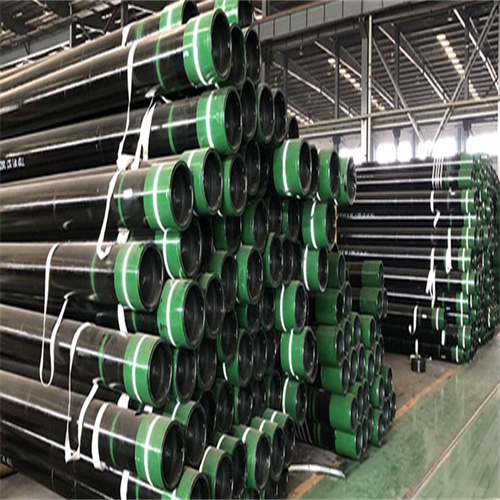
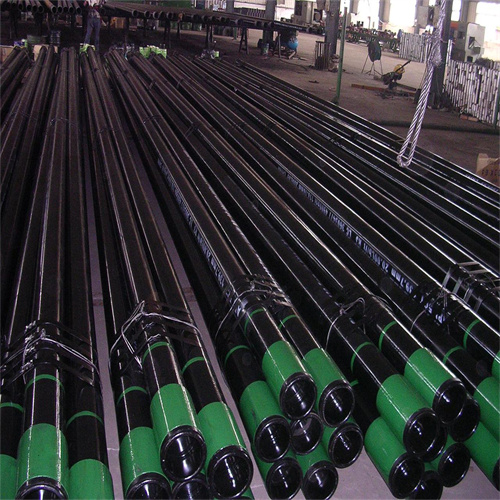
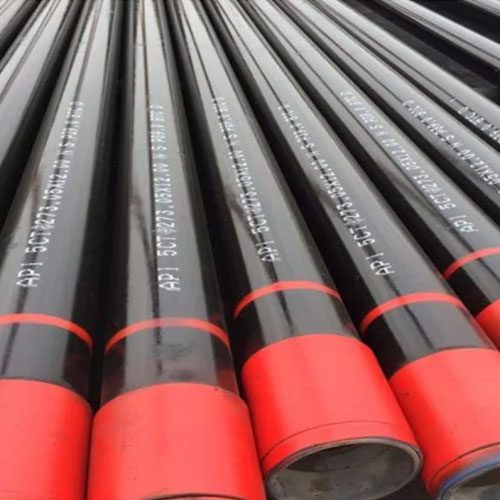
تكامل سلسلة التوريد في تصنيع أغلفة النفط
تأثير تكاليف النقل على تسعير غلاف النفط
علاوة على ذلك، فإن الموقع الجغرافي لعمليات الحفر يزيد من تعقيد المشهد اللوجستي. تتطلب حقول النفط النائية طرق نقل أطول ووسائل نقل محتملة أكثر تكلفة، مثل الشحن الجوي أو سفن الشحن المتخصصة القادرة على التنقل في التضاريس الصعبة. لا تؤدي هذه العوامل إلى زيادة تكاليف النقل المباشرة فحسب، بل تزيد أيضًا من إجمالي المهلة الزمنية من الإنتاج إلى النشر، مما يؤثر على الجداول الزمنية للمشروع والتخطيط التشغيلي.
لذلك، تصبح الكفاءة في لوجستيات التوزيع ذات أهمية قصوى في تخفيف تصاعد التكاليف. تستثمر الشركات في أنظمة التخطيط والإدارة اللوجستية المتقدمة لتحسين تخطيط المسار وتقليل أوقات العبور وتوحيد الشحنات حيثما أمكن ذلك. إن تكامل التكنولوجيا، مثل تتبع نظام تحديد المواقع العالمي (GPS) وتحليلات البيانات في الوقت الفعلي، يعزز الرؤية عبر سلسلة التوريد، مما يتيح اتخاذ قرارات استباقية واستجابات سريعة للاضطرابات غير المتوقعة.
علاوة على ذلك، لا يمكن التقليل من تأثير البنية التحتية لوسائل النقل. تعمل الطرق والسكك الحديدية والموانئ التي تتم صيانتها جيدًا على تسهيل النقل بشكل أكثر سلاسة وتقليل مخاطر التأخير أو الأضرار. يمكن للاستثمارات في تطوير البنية التحتية التي تهدف إلى تعزيز الاتصال بين مراكز التصنيع ومواقع الحفر أن تحقق وفورات في التكاليف على المدى الطويل عن طريق خفض تكاليف النقل وتحسين موثوقية سلسلة التوريد.
بالإضافة إلى النقل المادي، تمارس الأطر التنظيمية والسياسات التجارية تأثيرًا كبيرًا على النفط. ديناميات التسعير غلاف. تساهم التعريفات الجمركية ورسوم الاستيراد/التصدير والامتثال للمعايير الدولية في هيكل تكلفة أغلفة النفط أثناء تحركها عبر الأسواق العالمية. يمكن أن تؤدي الاتفاقيات التجارية والتوترات الجيوسياسية إلى تقلبات، مما يؤثر على معنويات السوق واستراتيجيات التسعير التي يتبناها اللاعبون في الصناعة.
في النهاية، يعكس تسعير أغلفة النفط توازنًا دقيقًا بين كفاءة الإنتاج، ولوجستيات النقل، والامتثال التنظيمي، وديناميكيات الطلب في السوق. يتغلب أصحاب المصلحة في الصناعة على هذه التعقيدات من خلال التحسين المستمر لسلاسل التوريد الخاصة بهم، وتعزيز الشراكات الإستراتيجية، واعتماد تقنيات مبتكرة لتعزيز الكفاءة التشغيلية وتخفيف ضغوط التكلفة. المحددات الحاسمة. الشركات التي تدير هذه العناصر بشكل فعال من خلال استراتيجيات سلسلة التوريد المبسطة والأطر اللوجستية سريعة الاستجابة تكون في وضع أفضل للتنقل بين تقلبات السوق والحفاظ على الميزة التنافسية في قطاع النفط والغاز الديناميكي.
Moreover, the geographical location of drilling operations further complicates the logistics landscape. Remote Oil fields necessitate longer transportation routes and potentially more expensive modes of transport, such as air freight or specialized shipping vessels capable of navigating challenging terrains. These factors not only escalate direct transportation costs but also increase the overall lead time from production to deployment, affecting project timelines and operational planning.
Efficiency in distribution logistics, therefore, becomes paramount in mitigating these cost escalations. Companies invest in advanced logistical planning and management systems to optimize route planning, minimize transit times, and consolidate shipments where possible. The integration of technology, such as GPS tracking and real-time data analytics, enhances visibility across the supply chain, enabling proactive decision-making and agile responses to unforeseen disruptions.
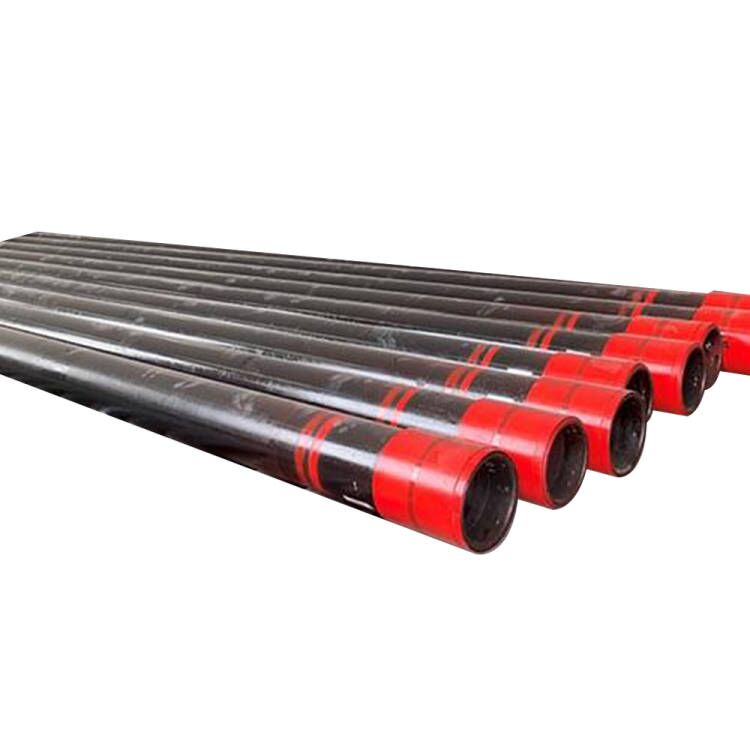
Furthermore, the impact of transportation infrastructure cannot be understated. Well-maintained roads, railways, and ports facilitate Smoother transit and reduce the risk of delays or damages. Investments in infrastructure development aimed at enhancing connectivity between manufacturing hubs and drilling sites can yield long-term cost savings by lowering transportation overheads and improving supply chain reliability.
In addition to physical transportation, regulatory frameworks and trade policies exert a significant influence on Oil Casing pricing dynamics. Tariffs, import/export duties, and compliance with international standards all contribute to the cost structure of oil casings as they move through global markets. Trade agreements and geopolitical tensions can introduce volatility, affecting market sentiment and pricing strategies adopted by industry players.
Ultimately, the pricing of oil casings reflects a delicate balance between production efficiency, transportation logistics, regulatory compliance, and market demand dynamics. Industry stakeholders navigate these complexities by continuously optimizing their supply chains, fostering strategic partnerships, and adopting innovative technologies to enhance operational efficiencies and mitigate cost pressures.
In conclusion, while the factors influencing oil casing pricing are multifaceted, logistics and distribution efficiency emerge as critical determinants. Companies that effectively manage these elements through streamlined supply chain strategies and responsive logistical frameworks are better positioned to navigate market fluctuations and sustain competitive advantage in the dynamic Oil and Gas sector.