تعزيز المقاومة للتآكل في البيئات القاسية
النسبة المثالية للقوة إلى الوزن لعمليات فعالة
في حقول النفط البرية، يلعب اختيار غلاف النفط دورًا حاسمًا في ضمان كفاءة العمليات وفعاليتها من حيث التكلفة. من بين العوامل المختلفة التي تؤثر على هذا القرار، أحد أهمها هو النسبة المثالية للقوة إلى الوزن التي يمكن أن يوفرها الغلاف.
تشير نسبة القوة إلى الوزن لغلاف الزيت إلى قدرته على تحمل الضغوط الخارجية والقوى مع الحفاظ على وزن منخفض نسبيًا. تعتبر هذه الخاصية حاسمة بشكل خاص في حقول النفط البرية حيث تكون عمليات الحفر واسعة النطاق وغالباً ما تحدث في ظروف جيولوجية متنوعة. يوفر الغلاف الذي يُظهر نسبة قوة إلى وزن عالية العديد من المزايا الرئيسية التي تساهم في الكفاءة الشاملة لعمليات الحفر والاستخراج.
أولاً، تسمح نسبة القوة إلى الوزن العالية باستخدام مواد غلاف أخف دون المساس بالجودة. السلامة الهيكلية. يُترجم هذا الانخفاض في الوزن مباشرةً إلى سهولة التعامل والنقل أثناء مرحلتي التجميع والنشر لعمليات الحفر. في البيئات البرية حيث يمكن أن تكون التحديات اللوجستية كبيرة، تساعد الأغلفة خفيفة الوزن على تبسيط العملية بأكملها بدءًا من تعبئة منصة الحفر وحتى استكمال البئر.
خصائص إغلاق فائقة لمنع التسرب

يتم التأكيد بشكل أكبر على استصواب أغلفة نفط CRA في حقول النفط البرية من خلال تنوعها عبر سياقات تشغيلية مختلفة. سواء تم نشرها في خزانات ذات درجة حرارة عالية أو بيئات حمضية، فإن أغلفة CRA تظهر أداءً ثابتًا، مما يجعلها الخيار المفضل للمشغلين الذين يتعاملون مع التحديات الجيولوجية المتنوعة. لا تعمل هذه القدرة على التكيف على تعزيز المرونة التشغيلية فحسب، بل تعزز أيضًا الثقة في موثوقية الغلاف على المدى الطويل.
علاوة على ذلك، لا يمكن المبالغة في تقدير الآثار الاقتصادية لاختيار أغلفة CRA. في حين أن تكاليف الشراء الأولية قد تكون أعلى مقارنة بالبدائل التقليدية، فإن عمر الخدمة الممتد وانخفاض احتياجات الصيانة يترجم إلى وفورات كبيرة على المدى الطويل. يستفيد المشغلون من وقت التشغيل التشغيلي المعزز وتقليل المسؤوليات البيئية، مما يتوافق مع الحكمة المالية مع الإشراف البيئي. إن مرونتها ضد التآكل، إلى جانب السلامة الميكانيكية القوية وقدرات الختم التي لا تشوبها شائبة، تؤكد دورها في الحفاظ على استمرارية العمليات والاستدامة البيئية. ومع استمرار الصناعة في إعطاء الأولوية للكفاءة والسلامة، تمثل أغلفة CRA استثمارًا استراتيجيًا ينسق الابتكار التقني مع الضرورات التشغيلية. إن وجودهم لا يعزز البنية التحتية لاستخراج النفط فحسب، بل يدعم أيضًا التزام الصناعة بالإدارة المسؤولة للموارد والامتثال التنظيمي.
Superior Sealing Properties to Prevent Leakage
In the realm of onshore Oil extraction, the quest for efficient, reliable equipment is paramount. One crucial component that stands out in this regard is the Oil Casing, a linchpin in the extraction process known for its pivotal role in maintaining structural integrity and preventing environmental hazards. Among the myriad factors that elevate a specific type of oil casing to the zenith of desirability in onshore oil fields, superior sealing properties stand as a cornerstone.
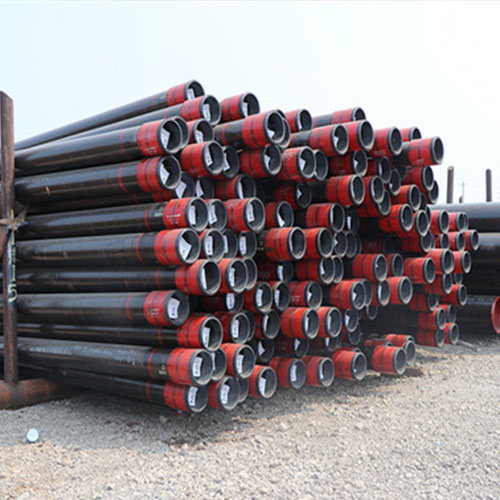
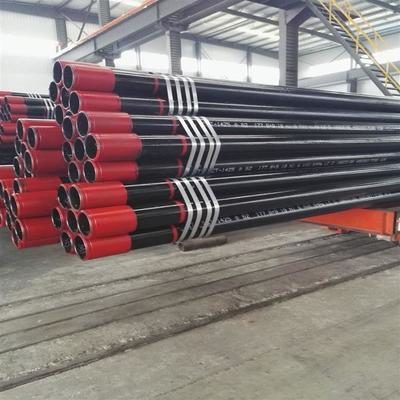
API 5ct N80-1 CASING Best chinese MakersOil casing serves as the primary barrier between the extracted oil and the surrounding geological formations. Its design and Material composition directly impact its ability to withstand the pressures and corrosive elements present deep underground. One notable casing material celebrated for its superior sealing properties is corrosion-resistant alloy (CRA). This material is crafted to endure the harsh conditions prevalent in Oil Wells, where exposure to corrosive fluids and high pressures can compromise conventional materials over time.
The superior sealing properties of CRA oil casings stem from their innate resistance to corrosion, which is often the Achilles’ heel of traditional Steel casings. Corrosion, exacerbated by the acidic nature of hydrocarbons and the saline environment of many oil fields, can lead to casing failures and subsequent leaks. Such breaches not only jeopardize operational efficiency but also pose significant environmental risks.
Moreover, CRA casings boast enhanced mechanical properties that contribute to their sealing prowess. Their ability to maintain structural integrity under immense pressure ensures that the well remains securely sealed throughout its operational lifespan. This durability not only enhances safety but also minimizes the need for costly Maintenance interventions, thereby optimizing operational efficiency and reducing downtime.
In addition to their robust Construction, CRA casings are meticulously engineered to form tight, impermeable seals. This feature is critical in preventing fluid migration between different geological strata, a phenomenon known as cross-contamination, which can lead to reservoir depletion and the influx of unwanted substances into the extracted crude. By effectively sealing off the wellbore, CRA casings help maintain the purity and integrity of the extracted oil, meeting stringent quality standards and regulatory requirements.
The desirability of CRA oil casings in onshore oil fields is further underscored by their versatility across various operational contexts. Whether deployed in high-temperature reservoirs or acidic environments, CRA casings exhibit consistent performance, making them a preferred choice for operators navigating diverse geological challenges. This adaptability not only enhances operational flexibility but also bolsters confidence in the casing’s long-term reliability.
Furthermore, the economic implications of opting for CRA casings cannot be overstated. While initial procurement costs may be higher compared to conventional alternatives, the extended service life and reduced maintenance needs translate into substantial long-term savings. Operators benefit from enhanced operational uptime and reduced environmental liabilities, aligning financial prudence with environmental stewardship.
In conclusion, the superior sealing properties of CRA oil casings position them as indispensable assets in onshore oil fields worldwide. Their resilience against corrosion, coupled with robust mechanical integrity and impeccable sealing capabilities, underscores their role in safeguarding operational continuity and environmental sustainability. As the industry contiNues to prioritize efficiency and safety, CRA casings exemplify a strategic investment that harmonizes technical innovation with operational imperatives. Their presence not only fortifies the infrastructure of oil extraction but also upholds the industry’s commitment to responsible resource management and regulatory compliance.