تقلبات الطلب في السوق
الأحداث الجيوسياسية واضطرابات سلسلة التوريد
أفضل تاجر جملة لأنابيب غلاف البترول الصينية
في الختام، يخضع سوق أغلفة النفط لمجموعة واسعة من العوامل التي تساهم في عدم استقرار الأسعار، بما في ذلك الأحداث الجيوسياسية، واضطرابات سلسلة التوريد، وتقلبات الطلب، والتقدم التكنولوجي. ويجب على أصحاب المصلحة في قطاع الطاقة أن يظلوا يقظين وقادرين على التكيف في الاستجابة لهذه الديناميكيات، واستخدام التخطيط الاستراتيجي واستراتيجيات إدارة المخاطر للتخفيف من تأثير تقلبات السوق. من خلال البقاء على اطلاع واستباقية في نهجهم، يمكن للاعبين في الصناعة التغلب على تعقيدات سوق أغلفة النفط ووضع أنفسهم لتحقيق النجاح في بيئة سريعة التغير.
The Oil Casing market is a critical component of the global energy industry, playing a vital role in the extraction and transportation of Oil and Gas resources. However, the market for oil casings is often characterized by Price instability, influenced by a variety of factors ranging from geopolitical events to supply chain disruptions. Understanding the key drivers behind this volatility is essential for stakeholders in the energy sector to navigate the challenges and opportunities presented by the fluctuating market conditions.
Geopolitical events have a significant impact on the oil casing market, as political tensions and conflicts in key oil-producing regions can disrupt supply chains and create uncertainty in the market. For example, conflicts in the Middle East, which is a major oil-producing region, can lead to supply disruptions and price spikes in the oil casing market. Geopolitical instability in other regions, such as Venezuela or Nigeria, can also have ripple effects on global oil prices and, by extension, the demand for oil casings.
In addition to geopolitical events, supply chain disruptions can also contribute to price instability in the oil casing market. The oil and gas industry relies on a complex network of Suppliers and Manufacturers to produce and deliver casings to drilling sites around the world. Disruptions in this supply chain, whether due to natural disasters, transportation issues, or labor disputes, can lead to delays in production and shortages of critical components, driving up prices in the market.
Moreover, fluctuations in demand for oil and gas resources can further exacerbate price instability in the oil casing market. Economic factors, such as changes in global oil consumption patterns or shifts in energy policies, can impact the overall demand for oil casings. For instance, a slowdown in economic growth in major oil-consuming countries can lead to a decrease in drilling activities and a subsequent decline in the demand for oil casings, putting downward pressure on prices.
Furthermore, technological advancements in the oil and gas industry can also influence the dynamics of the oil casing market. innovations in drilling techniques, such as hydraulic fracturing or horizontal drilling, can increase the efficiency of oil and gas extraction, leading to changes in the types and specifications of oil casings required for these operations. This evolution in technology can create opportunities for suppliers to develop new products and services tailored to the changing needs of the industry, but it can also introduce challenges in terms of adapting to r APIdly evolving market trends.
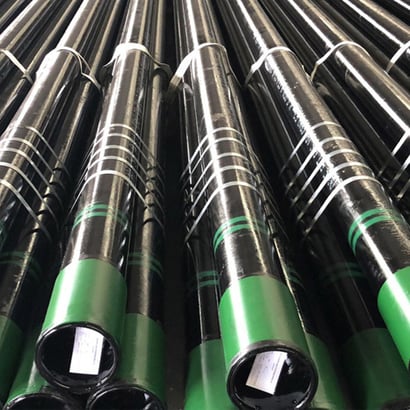
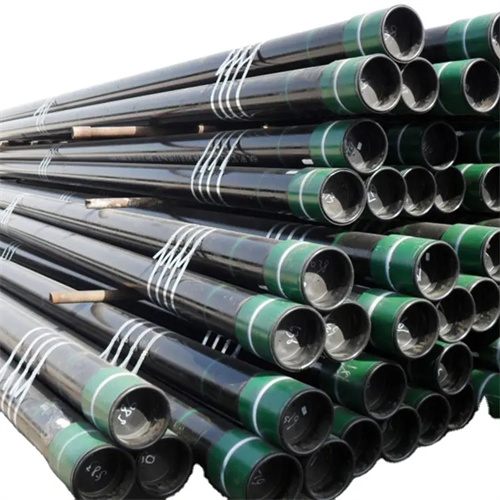
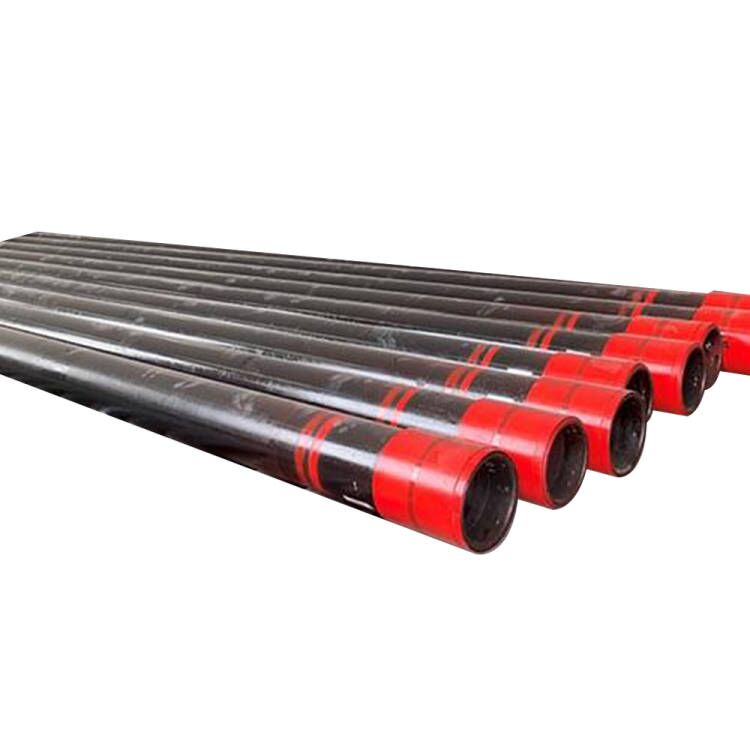
PETROLEUM Casing Pipe chinese Best wholesaler
In conclusion, the oil casing market is subject to a wide range of factors that contribute to price instability, including geopolitical events, supply chain disruptions, demand fluctuations, and technological advancements. Stakeholders in the energy sector must remain vigilant and adaptable in response to these dynamics, employing strategic planning and risk management strategies to mitigate the impact of market volatility. By staying informed and proactive in their approach, industry players can navigate the complexities of the oil casing market and position themselves for success in a rapidly changing environment.