
المضاربة في السوق
تعد ظاهرة فقاعات المضاربة من الاعتبارات المهمة الأخرى في فهم تقلبات أسعار غلاف النفط. وتحدث فقاعات المضاربة عندما ترتفع أسعار الأصول إلى مستويات غير مستدامة مدفوعة في المقام الأول بحماس المستثمرين وتوقعاتهم بزيادات أخرى في الأسعار، وليس القيمة الجوهرية أو الطلب الأساسي. عندما تنفجر فقاعات المضاربة، كما رأينا في دورات السلع الأساسية السابقة، يمكن أن تشهد الأسعار تصحيحات حادة، مما يؤدي إلى خسائر مالية كبيرة للمستثمرين وزيادة التقلبات في سوق غلاف النفط.
علاوة على ذلك، فإن الترابط بين الأسواق المالية العالمية يعني أن التطورات في القطاعات غير ذات الصلة ، مثل أسواق العملات أو أسواق الأسهم، يمكن أن تمتد إلى أسواق السلع مثل أغلفة النفط. على سبيل المثال، يمكن أن تؤثر التقلبات في أسعار الصرف على القدرة التنافسية لمنتجي النفط في مناطق مختلفة، مما يؤثر على طلبهم على الأغلفة ويؤثر في النهاية على الأسعار. تتأثر العوامل الأساسية مثل العرض والطلب وتكاليف الإنتاج، فإن دور المضاربة في السوق يقدم طبقة من التعقيد والتقلب التي يمكن أن تؤدي إلى تقلبات أسعار مشكوك فيها. وتساهم أنشطة المضاربة التي تحركها الأسواق المالية، ومعنويات المستثمرين، والتغيرات التنظيمية، والاتجاهات الاقتصادية الأوسع، في عدم القدرة على التنبؤ بأسعار غلاف النفط. يعد فهم هذه العوامل أمرًا بالغ الأهمية لأصحاب المصلحة في قطاع الطاقة، مما يمكنهم من التغلب على التحديات التي تفرضها ديناميكيات المضاربة واتخاذ قرارات مستنيرة وسط ظروف السوق المتقلبة.
Another questionable factor contributing to Oil Casing Price fluctuations is the role of market sentiment and herd behavior among traders. In commodity markets, sentiment can shift r APIdly based on news, rumors, or even social media trends. A sudden change in sentiment, whether optimistic or pessimistic, can lead to significant buying or selling activity, causing prices to spike or plummet without corresponding changes in supply or demand fundamentals. This phenomenon is often exacerbated by the interconnected nature of global financial markets, where information spreads rapidly and influences trading decisions across different asset classes.
Furthermore, the regulatory environment and government policies can also impact oil casing prices through their effect on market sentiment and investor confidence. Changes in regulations pertaining to environmental standards, drilling practices, or trade tariffs can introduce uncertainty into the market, prompting speculative trading as market participants attempt to anticipate the implications of such changes on future supply and demand dynamics.
 The phenomenon of speculative bubbles is another critical consideration in understanding oil casing price fluctuations. Speculative bubbles occur when asset prices rise to unsustainable levels driven primarily by investor enthusiasm and expectations of further price increases, rather than intrinsic value or fundamental demand. When speculative bubbles burst, as seen in past commodity cycles, prices can experience sharp corrections, leading to significant financial losses for investors and increased volatility in the oil casing market.
Moreover, the interconnectedness of global financial markets means that developments in unrelated sectors, such as currency markets or equity markets, can spill over into commodity markets like oil casings. Fluctuations in exchange rates, for instance, can impact the competitiveness of oil producers in different regions, thereby influencing their demand for casings and ultimately affecting prices.
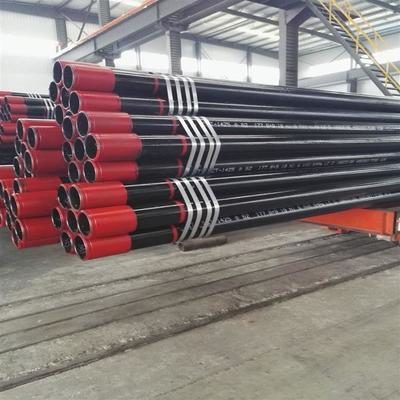
API Oil Tubing –casing oilfield Service From Tianjin TiangangIn conclusion, while the oil casing market is influenced by fundamental factors such as supply, demand, and production costs, the role of market speculation introduces a layer of complexity and volatility that can lead to questionable price fluctuations. Speculative activities driven by financial markets, investor sentiment, regulatory changes, and broader economic trends all contribute to the unpredictability of oil casing prices. Understanding these factors is crucial for stakeholders in the energy sector, enabling them to navigate the challenges posed by speculative dynamics and make informed decisions amid fluctuating market conditions.
![[أنابيب النفط] [سعر الجملة] [جودة عالية] صيني عالي الجودة](https://www.casingtube.com/wp-content/uploads/2022/03/u39427891151090612774fm253fmtautoapp138fJPEG-768x433.webp)