التوترات الجيوسياسية
اضطرابات سلسلة التوريد
في الختام، يخضع سوق أغلفة النفط لمجموعة متنوعة من العوامل المقلقة التي تساهم في عدم استقرار الأسعار، حيث تمثل اضطرابات سلسلة التوريد مصدر القلق الرئيسي. تلعب التوترات الجيوسياسية والكوارث الطبيعية والتحديات اللوجستية دورًا مهمًا في تشكيل مدى توفر مواد تغليف النفط وتكلفتها. ومع استمرار تطور هذه العوامل، يجب على أصحاب المصلحة في صناعة النفط والغاز أن يظلوا يقظين وقادرين على التكيف للتعامل مع تعقيدات السوق. يعد فهم التفاعل المعقد بين هذه العناصر أمرًا ضروريًا لاتخاذ قرارات مستنيرة وتخفيف المخاطر المرتبطة بتقلبات الأسعار في قطاع تغليف النفط.
The Oil Casing market, a critical component in the Oil and Gas industry, is significantly influenced by various unsettling factors that contribute to Price instability. One of the most prominent factors is supply chain disruptions, which can arise from a multitude of sources. These disruptions can stem from geopolitical tensions, natural disasters, or logistical challenges, each of which can have a profound impact on the availability and cost of Oil casing Materials.
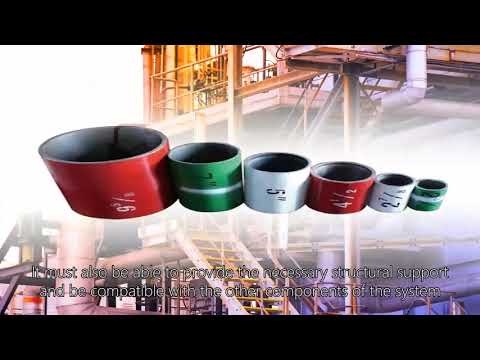
Geopolitical tensions often play a pivotal role in the stability of the oil casing market. For instance, conflicts in oil-rich regions can lead to production halts or restrictions on exports, creating a ripple effect throughout the supply chain. When key Suppliers are unable to deliver materials due to political unrest, the resulting scarcity can drive prices upward. Additionally, sanctions imposed on certain countries can further complicate the procurement of oil casing, as Companies may find themselves unable to source materials from specific regions, leading to increased competition for available resources.
Natural disasters also pose a significant threat to the stability of the oil casing market. Hurricanes, earthquakes, and other catastrophic events can disrupt production facilities and transportation networks, causing delays in the delivery of essential materials. For example, a hurricane striking a major oil-producing region can halt operations at refineries and disrupt shipping routes, leading to a temporary shortage of oil casing. This scarcity can result in price spikes as companies scramble to secure the necessary materials to contiNue their operations. Furthermore, the recovery process following such disasters can be Lengthy, prolonging the period of instability in the market.
Logistical challenges are another critical factor that can lead to supply chain disruptions in the oil casing market. The transportation of materials from suppliers to Manufacturers often involves complex logistics, including shipping, trucking, and rail transport. Any hiccup in this intricate system can lead to delays and increased costs. For instance, a shortage of truck drivers or port congestion can slow down the movement of oil casing materials, creating bottlenecks in the supply chain. As a result, manufacturers may face increased lead times and higher costs, which can ultimately be passed on to consumers in the form of elevated prices.
SupplierMoreover, fluctuations in demand can exacerbate the effects of supply chain disruptions. When demand for oil casing surges, perhaps due to increased drilling activity or new projects, the existing supply chain may struggle to keep pace. This imbalance can lead to heightened competition for limited resources, further driving up prices. Conversely, if demand suddenly drops, companies may find themselves with excess inventory, leading to price reductions that can destabilize the market.
In conclusion, the oil casing market is subject to a variety of unsettling factors that contribute to price instability, with supply chain disruptions being a primary concern. Geopolitical tensions, natural disasters, and logistical challenges all play a significant role in sh APIng the availability and cost of oil casing materials. As these factors continue to evolve, stakeholders in the oil and gas industry must remain vigilant and adaptable to navigate the complexities of the market. Understanding the intricate interplay between these elements is essential for making informed decisions and mitigating the risks associated with price volatility in the oil casing sector.