تركيب المواد وخصائص القوة لغلاف الزيت
مقاومة التآكل والطلاءات الواقية
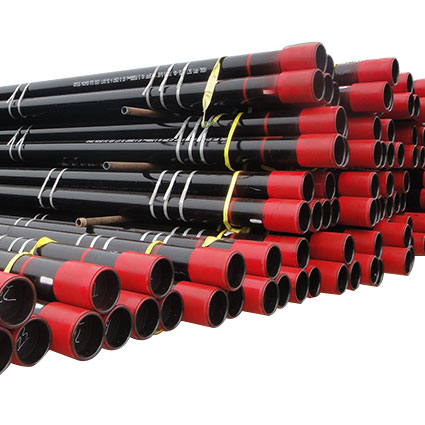
معايير التصميم والتصنيع
الصلب
يأخذ تصميم أغلفة النفط للتطبيقات البرية في الاعتبار عدة عوامل حاسمة. أولًا وقبل كل شيء هي القوة الميكانيكية المطلوبة لتحمل وزن التكوينات الصخرية المغطاة والضغط الذي تمارسه سوائل المكمن. يقوم المهندسون بحساب هذه الأحمال بدقة لتحديد أبعاد الغلاف ومواصفات المواد المناسبة. بالإضافة إلى ذلك، يجب أن يكون الغلاف قادرًا على تحمل الضغط الداخلي للسوائل التي يتم استخلاصها دون المساس بسلامتها.
تعد الحماية من التآكل جانبًا حيويًا آخر في تصميم غلاف الزيت. يمكن أن تكون البيئات البرية قابلة للتآكل بسبب وجود كبريتيد الهيدروجين وثاني أكسيد الكربون والمواد الكيميائية الأخرى في سوائل التكوين. ولمكافحة ذلك، غالبًا ما يتم طلاء أغلفة الزيت بمواد مقاومة للتآكل أو تخضع لعلاجات مثل الجلفنة أو طلاء الإيبوكسي. تعمل هذه الإجراءات على إطالة عمر خدمة الغلاف بشكل كبير عن طريق منع التدهور والتسربات المحتملة.
علاوة على ذلك، تخضع عملية تصنيع أغلفة الزيت لمعايير صارمة لضمان الاتساق والجودة. يتم استخدام تقنيات التصنيع المتقدمة مثل إنتاج الأنابيب غير الملحومة أو اللحام بالمقاومة الكهربائية (ERW) لإنشاء أغلفة ذات خصائص موحدة وبحد أدنى من العيوب. تراقب بروتوكولات مراقبة الجودة كل مرحلة من مراحل الإنتاج، بدءًا من فحص المواد الخام وحتى اختبار المنتج النهائي، لضمان الامتثال لمعايير ومواصفات الصناعة.
تتأثر أيضًا متانة أغلفة النفط في حقول النفط البرية باعتبارات التركيب والتشغيل. تعد إجراءات المناولة والنقل والتركيب المناسبة أمرًا بالغ الأهمية لمنع الأضرار الميكانيكية أو العيوب الهيكلية. بمجرد التركيب، يتعرض الغلاف لضغط كبير أثناء مرحلتي الحفر والإنتاج. يجب أن يأخذ التصميم في الاعتبار التمدد الحراري والضغوط الخارجية والتحميل الميكانيكي لضمان الموثوقية والسلامة على المدى الطويل.
في الختام، تنبع متانة أغلفة النفط في حقول النفط البرية من مزيج من مبادئ التصميم القوية ومعايير التصنيع الدقيقة. يستفيد المهندسون من المواد عالية القوة، والطلاءات المقاومة للتآكل، وتقنيات التصنيع المتقدمة لإنشاء أغلفة قادرة على تحمل الظروف القاسية التي تواجهها أثناء استخراج النفط. ومن خلال الالتزام بتدابير مراقبة الجودة الصارمة ومراعاة العوامل التشغيلية، تضمن شركات النفط أن تعمل هذه الأغلفة بشكل موثوق طوال فترة الخدمة المقصودة. مع التقدم التكنولوجي والتحديات التشغيلية، سيظل الابتكار المستمر في تصميم وتصنيع أغلفة النفط محوريًا في تعزيز المتانة والكفاءة في عمليات حقول النفط البرية.
https://youtube.com/watch?v=aviXC9lzU6ECorrosion, a natural process exacerbated by exposure to moisture, chemicals, and varying temperatures, poses a significant threat to metal structures in onshore Oil fields. Oil Casings, typically made from Steel alloys, are particularly vulnerable to corrosion due to the corrosive nature of the fluids they come into contact with during extraction and production processes. To combat this threat effectively, Manufacturers employ advanced Materials and coating technologies that enhance the casings‘ resistance to corrosion.
One of the primary methods used to enhance Corrosion resistance is through the selection of appropriate alloys. Steel alloys with high chromium content, for instance, exhibit superior resistance to oxidation and corrosion compared to conventional Carbon steels. These alloys form a protective oxide layer on the surface when exposed to oxygen and moisture, thereby reducing the rate of corrosion significantly.
In addition to alloy selection, protective coatings play a crucial role in extending the lifespan of oil casings in onshore environments. These coatings are applied to the surface of the casings to act as a barrier against corrosive agents. Common coatings include epoxy, phenolic, and zinc-rich coatings, each offering unique advantages depending on the specific operational conditions of the oil field.
Epoxy coatings, for example, provide excellent resistance to water and chemicals, making them ideal for casings exposed to corrosive drilling fluids and production chemicals. Phenolic coatings, on the other hand, are preferred for their high-Temperature resistance, making them suitable for casings subjected to elevated temperatures during production processes. Zinc-rich coatings are known for their sacrificial protection mechanism, where the zinc layer corrodes preferentially to protect the underlying steel substrate.
Furthermore, the application of these coatings is meticulously controlled to ensure uniform coverage and adherence to industry standards. Surface preparation techniques such as abrasive blasting or chemical cleaning are often employed to remove contaminants and create a suitable surface profile for optimal coating adhesion.
The effectiveness of corrosion-resistant coatings is further validated through rigorous testing protocols that simulate the harsh conditions of onshore oil fields. These tests assess the coatings’ ability to withstand exposure to saltwater, acidic solutions, and high-pressure environments, ensuring they meet the durability requirements expected in the field.
Beyond the initial application, Maintenance and inspection play crucial roles in preserving the integrity of oil casings over their operational lifespan. Regular inspections, including visual assessments and Non-destructive testing methods such as ultrasonic testing, help identify potential corrosion or coating degradation early on. Prompt remedial actions, such as recoating or localized Repairs, can then be implemented to prevent further deterioration and extend the casing’s service life.
In conclusion, the durability of oil casings in onshore oil fields hinges significantly on their ability to resist corrosion through advanced materials and protective coatings. By leveraging corrosion-resistant alloys and effective coating technologies, manufacturers ensure that oil casings maintain their structural integrity and performance amidst the demanding conditions of oil production. This proactive approach not only enhances operational efficiency but also minimizes environmental risks associated with corrosion-related failures. As the industry contiNues to evolve, ongoing research and development in corrosion protection will undoubtedly lead to further advancements in oil casing durability, supporting sustainable and reliable oil production practices worldwide.
Design and Manufacturing Standards
In the world of onshore oil drilling, the durability of oil casing plays a critical role in ensuring the integrity and efficiency of the extraction process. Oil casing is not merely a protective barrier; it is engineered to withstand immense pressures, corrosive environments, and rigorous operational conditions over extended periods. Understanding why certain oil casings excel in durability requires a dive into their design and manufacturing standards.
Oil casings designed for onshore oil fields are crafted with meticulous attention to material selection and manufacturing processes. Typically, these casings are made from high-strength steel alloys that exhibit superior mechanical properties. These alloys are cHosen for their ability to withstand high pressures encountered deep underground without succumbing to deformation or failure. The manufacturing standards ensure precise dimensions, uniform Wall thickness, and Smooth surface finishes, which are essential for maintaining structural integrity under challenging conditions.
Steel
The design of oil casings for onshore applications considers several critical factors. First and foremost is the mechanical strength required to withstand the Weight of the overlying rock formations and the pressure exerted by the reservoir fluids. Engineers calculate these loads meticulously to determine the appropriate casing dimensions and material specifications. Additionally, the casing must be capable of withstanding the internal pressure of the fluids being extracted without compromising its integrity.
Corrosion protection is another vital aspect of oil casing design. Onshore environments can be corrosive due to the presence of hydrogen sulfide, carbon dioxide, and other chemicals in the formation fluids. To combat this, oil casings are often coated with corrosion-resistant materials or undergo treatments such as galvanization or epoxy coating. These measures significantly extend the service life of the casing by preventing degradation and potential leaks.
Furthermore, the manufacturing process of oil casings is subject to rigorous standards to ensure consistency and quality. Advanced manufacturing techniques such as Seamless Pipe production or electric resistance welding (ERW) are employed to create casings with uniform properties and minimal defects. Quality control protocols monitor every stage of production, from raw material inspection to final product testing, to guarantee compliance with industry standards and specifications.
The durability of oil casings in onshore oil fields is also influenced by their installation and operational considerations. Proper handling, transportation, and installation procedures are critical to preventing mechanical damage or structural defects. Once installed, the casing undergoes significant stress during the drilling and production phases. The design must account for thermal expansion, external pressures, and mechanical loading to ensure long-term reliability and safety.
In conclusion, the durability of oil casings in onshore oil fields stems from a combination of robust design principles and meticulous manufacturing standards. Engineers leverage high-strength materials, corrosion-resistant coatings, and advanced manufacturing techniques to create casings capable of withstanding the harsh conditions encountered during oil extraction. By adhering to stringent quality control measures and considering operational factors, oil Companies ensure that these casings perform reliably over their intended service life. As technology advances and operational challenges evolve, continuous innovation in oil casing design and manufacturing will remain pivotal in enhancing durability and efficiency in onshore oil field operations.