فوائد استخدام أغلفة النفط المقاومة للتآكل في حقول النفط البرية
رقبة اللحام
فعالية التكلفة وطول العمر: حالة غلاف الزيت عالي الجودة
 بعيدًا عن نطاق المكاسب المالية المباشرة، فإن طول عمر غلاف النفط عالي الجودة يؤكد على فوائده البيئية والتنظيمية. ومن خلال تقليل تكرار استبدال الغلاف واستخدام المواد المرتبطة به، يساهم المشغلون في تحقيق بصمة أكثر مسؤولية من الناحية البيئية. يتماشى هذا مع التزام الصناعة الأوسع بالاستدامة، مما يضمن أن حقول النفط البرية تعمل بكفاءة مع تقليل التأثيرات البيئية.
علاوة على ذلك، عززت التطورات التكنولوجية في تصميم أغلفة النفط وتقنيات التصنيع مقاييس أدائها. لقد مكنت الابتكارات مثل السبائك المتقدمة وتقنيات الهندسة الدقيقة من إنتاج غلاف يلبي معايير الصناعة الصارمة أو يتجاوزها. لا يؤدي هذا التطور إلى تعزيز الكفاءات التشغيلية فحسب، بل يمكّن أيضًا مشغلي حقول النفط البرية من التمتع بمرونة أكبر في التكيف مع الظروف الجيولوجية المتنوعة والتحديات التشغيلية. صحة وسلامة العاملين في حقول النفط البرية. تساهم موثوقية مواد التغليف بشكل مباشر في الحفاظ على بيئة عمل آمنة، وتقليل المخاطر المرتبطة بالاضطرابات التشغيلية وضمان الامتثال لبروتوكولات السلامة الصارمة.
في الختام، تعتمد إنتاجية ونجاح حقول النفط البرية بشكل كبير على اختيار غلاف النفط. إن ضرورة كفاءة التكلفة، إلى جانب ضرورة طول العمر، تؤكد على القيمة المقترحة لمواد التغليف عالية الجودة. ومن خلال الاستثمار في الغلاف المتفوق الذي يجمع بين المتانة والموثوقية والإشراف البيئي، لا يقوم المشغلون بتحسين أدائهم المالي فحسب، بل يدعمون أيضًا معايير السلامة التشغيلية والاستدامة. مع استمرار تطور الصناعة، سيظل النشر الاستراتيجي لتقنيات أغلفة النفط المتقدمة أمرًا محوريًا في تشكيل المشهد المستقبلي لاستخراج النفط البري، مما يضمن استمرار النجاح والمرونة في هذا القطاع الحيوي.
Cost Efficiency and Longevity: The Case for high-quality Oil Casing
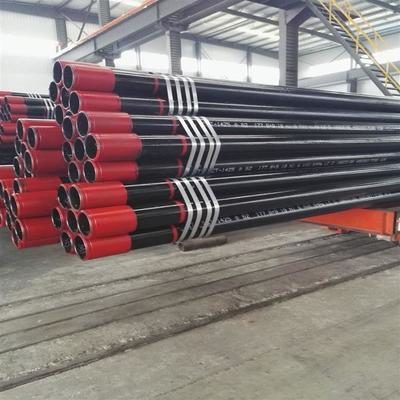
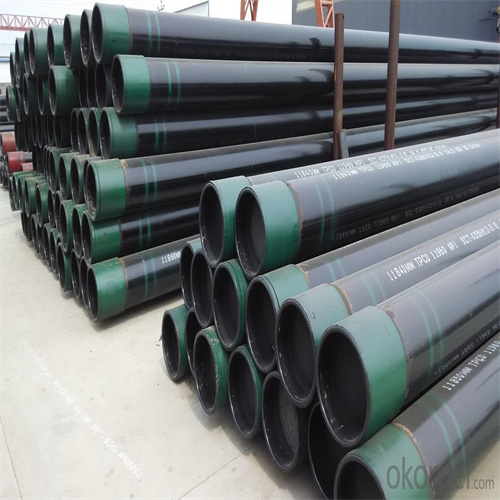
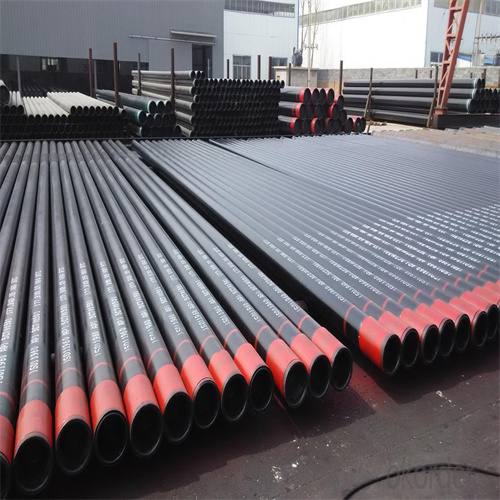
In the realm of onshore oil extraction, the role of oil casing cannot be overstated. It serves as a critical barrier that ensures the structural integrity of Oil Wells, safeguarding against geological pressures and environmental factors. Among the myriad considerations in oil field operations, cost efficiency and longevity emerge as pivotal factors driving decisions around the choice of oil casing.
High-quality oil casing stands as a linchpin in enhancing the productivity and success of onshore oil fields. Its effectiveness lies not only in its ability to withstand the demanding conditions of oil extraction but also in its cost efficiency over the long term. The initial investment in superior quality casing Materializes into significant savings through reduced Maintenance needs and extended operational life. This financial prudence resonates deeply in the calculus of onshore oil field operators, where every cost-saving measure contributes to overall profitability.
Moreover, the durability of high-quality oil casing translates directly into operational reliability. It mitigates the risks associated with casing failure, which can lead to well integrity issues, production downtime, and costly remediation efforts. By opting for robust casing materials that excel in Corrosion resistance and mechanical strength, operators preemptively fortify their operations against potential setbacks, thereby fostering a more resilient and sustainable oil production environment.
Beyond the realm of immediate financial gains, the longevity of high-quality oil casing underscores its environmental and regulatory benefits. By reducing the frequency of casing replacements and associated materials usage, operators contribute to a more environmentally responsible footprint. This aligns with the industry’s broader commitment to sustainability, ensuring that onshore oil fields operate efficiently while minimizing ecological impacts.
Furthermore, the technological advancements in oil casing design and manufacturing techniques have bolstered its performance metrics. innovations such as advanced alloys and precision engineering techniques have enabled the production of casing that meets or exceeds stringent industry standards. This evolution not only enhances operational efficiencies but also empowers onshore oil field operators with greater flexibility in adapting to diverse geological conditions and operational challenges.
In assessing the overall efficacy of high-quality oil casing, one must also consider its role in safeguarding the health and safety of personnel working in onshore oil fields. The reliability of casing materials directly contributes to maintaining a secure working environment, reducing risks associated with operational disruptions and ensuring compliance with rigorous safety protocols.
In conclusion, the productivity and success of onshore oil fields hinge significantly on the choice of oil casing. The imperative of cost efficiency, coupled with the imperative of longevity, underscores the value proposition of high-quality casing materials. By investing in superior casing that combines durability, reliability, and environmental stewardship, operators not only optimize their financial performance but also uphold operational integrity and sustainability standards. As the industry contiNues to evolve, the strategic deployment of advanced oil casing technologies will remain pivotal in sh APIng the future landscape of onshore oil extraction, ensuring continued success and resilience in this critical sector.