তেল আবরণ নির্বাচনের জন্য মৌলিক কৌশল
তেল আবরণ তুরপুন প্রক্রিয়ার একটি অপরিহার্য দিক হওয়ার বাইরেও যায়; তেলের নিরাপদ নিষ্কাশন এবং চূড়ান্ত পরিবহন নিশ্চিত করাও গুরুত্বপূর্ণ। এর মধ্যে একটি কার্যকর তেল আবরণ নির্বাচন কৌশলের প্রয়োজন রয়েছে, এমন একটি প্রক্রিয়া যা সূক্ষ্মতার সাথে ধাঁধাঁযুক্ত শুধুমাত্র ড্রিলিং পেশাদারদের দ্বারা সম্পূর্ণরূপে বোঝা যায়। যাইহোক, বাস্তবে, এটি অসংখ্য পদ্ধতির সাথে জড়িত যার জন্য অভিজ্ঞতা, দক্ষতা এবং নির্ভুলতা প্রয়োজন। এটি একটি সূক্ষ্ম প্রক্রিয়া যা বিভিন্ন কেসের আকার, ওজন, গ্রেড, সংযোগ এবং সিলিং সিস্টেম বোঝার জন্য প্রয়োজনীয়। নির্বাচিত আবরণ ব্যাপকভাবে চরম পরিস্থিতি সহ্য করতে সক্ষম হওয়া উচিত।
তেল আবরণ নির্বাচন প্রক্রিয়ার মধ্যে সর্বাগ্রে তাৎক্ষণিক পরিবেশ এবং প্রস্তাবিত কূপের গভীরতা বোঝা। বোরহোলের অপারেশনাল অবস্থা, চাপ এবং তাপমাত্রা অত্যন্ত গুরুত্বপূর্ণ, কারণ তারা শেষ পর্যন্ত প্রয়োজনীয় আবরণ শৈলীকে প্রভাবিত করে। কূপের গভীরতা এবং আশেপাশের গঠনের প্রকৃতির উপর নির্ভর করে বেশ কয়েকটি স্তরের আবরণ প্রয়োজন হতে পারে। উচ্চ চাপ, ক্ষয়কারী গ্যাস এবং তাপমাত্রা সহ ডাউনহোল হতে পারে এমন বিভিন্ন চ্যালেঞ্জ থেকে রক্ষা করার জন্য বিভিন্ন কেসিংগুলি স্পষ্টভাবে ডিজাইন করা হয়েছে।

তেল আবরণ নির্বাচনের বিভিন্ন পদ্ধতির গভীর বিশ্লেষণ
তেল আবরণ নির্বাচনের বিজ্ঞান এবং শিল্প তেল এবং গ্যাস নিষ্কাশন শিল্পে মৌলিক। জড়িত বিভিন্ন পদ্ধতির গভীর বোধগম্যতা কেবল দক্ষ নিষ্কাশন প্রক্রিয়াগুলিতে অবদান রাখার চেয়ে আরও বেশি কিছু করে; এটি সফল ড্রিলিং অপারেশনের ভিত্তি স্থাপন করে এবং টেকসই উৎপাদনশীলতার গ্যারান্টি দেয়। এই মৌলিক বোঝার বাইরে, সঠিক তেলের আবরণ নির্বাচনের জটিলতা বিশদ বিবরণের মধ্যে রয়েছে। ড্রিলিং ইঞ্জিনিয়াররা এই পর্যায়ে ভূতাত্ত্বিক ডেটা বিশ্লেষণ করতে অগ্রণী ভূমিকা পালন করে, যার মধ্যে রয়েছে কূপের গভীরতা, চাপ এবং তাপমাত্রার অবস্থা, ক্ষয়ের সম্ভাবনা, এবং তেল বা গ্যাস নিষ্কাশনের বৈশিষ্ট্যগুলি। এই তথ্যটি সবচেয়ে উপযুক্ত উপাদান এবং কেসিং আকার নির্বাচন করতে সাহায্য করবে, কূপের দীর্ঘায়ু এবং নিরাপত্তা নিশ্চিত করার জন্য অত্যন্ত গুরুত্বপূর্ণ। সাধারণত, তিন ধরনের আবরণ থাকে: কন্ডাক্টর কেসিং, সারফেস কেসিং এবং প্রোডাকশন কেসিং। কন্ডাক্টর কেসিং ড্রিলিং প্রক্রিয়া চলাকালীন আলগা পৃষ্ঠের মাটিকে ভেঙে পড়া প্রতিরোধ করতে ব্যবহৃত হয়। অন্যদিকে সারফেস কেসিংগুলিকে ভূগর্ভস্থ জলে প্রবেশ রোধ করার দায়িত্ব দেওয়া হয়, যা কন্ডাকটর ক্যাসিংয়ের পরে দ্বিতীয় বাধা হিসাবে কাজ করে। প্রোডাকশন কেসিংগুলি কূপের গভীরে নেমে আসে এবং তেল বা গ্যাসকে পৃষ্ঠে আনার জন্য দায়ী৷ সাধারণত, কেসিংয়ের আকারের নকশাটি নির্ভর করে যেমন গভীরতা, ড্রিলিং সরঞ্জাম এবং প্রত্যাশিত উত্পাদন হারের মতো বিষয়গুলির উপর। নির্বাচন প্রক্রিয়াটি প্রায়শই কিছুটা জটিল হয় কারণ একটি ছোট আবরণ কূপের আউটপুট ভলিউমকে সীমাবদ্ধ করতে পারে, যখন বড় কেসিং কূপের শক্তিকে বিরূপভাবে প্রভাবিত করতে পারে। . বিভিন্ন কূপ অঞ্চলগুলি বিভিন্ন পরিমাণে চাপ এবং তাপমাত্রা প্রয়োগ করে, কূপের গভীরতার সাথে পরিবর্তিত হয়। আবরণ উপাদান এবং এর বেধ অবশ্যই এই বৈচিত্রগুলি সহ্য করতে হবে। ভুল রেটিং বিপর্যয়কর প্রভাব সহ কেসিং ব্যর্থতার দিকে পরিচালিত করতে পারে। যেকোন দুর্ঘটনার সম্ভাব্য পরিবেশগত প্রভাব বিবেচনা করে এই পছন্দগুলির উপর চড়ার ধাক্কা খুব বেশি৷ অতএব, এটি কেবলমাত্র তেল আবরণ নির্বাচন পদ্ধতির বোধগম্যতা সম্পর্কে নয়, বরং জ্ঞানকে অত্যন্ত নির্ভুলতা এবং যত্ন সহকারে প্রয়োগ করা। নিষ্কাশন শিল্প। প্রকৃতপক্ষে, এটি প্রযুক্তিগত জ্ঞান-কিভাবে, পরিবেশগত উদ্বেগ এবং এই শিল্পের ভিত্তি বাণিজ্যিক বাস্তবতার মধ্যে জটিল ইন্টারপ্লেকে গভীরভাবে আলোকিত করে।
The science and art of Oil Casing selection are fundamental in the Oil and Gas extraction industry. An in-depth understanding of the different procedures involved does more than just contribute to efficient extraction processes; it sets the foundation for successful drilling operations and guarantees sustained productivity.
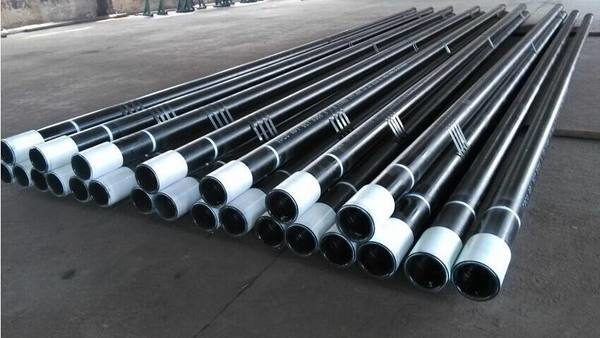
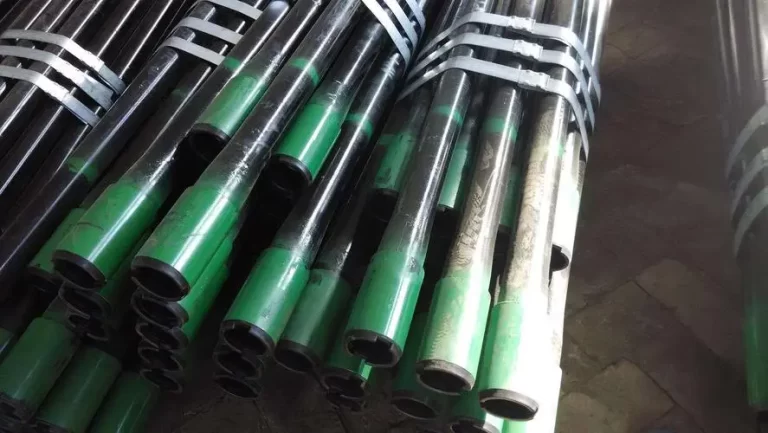
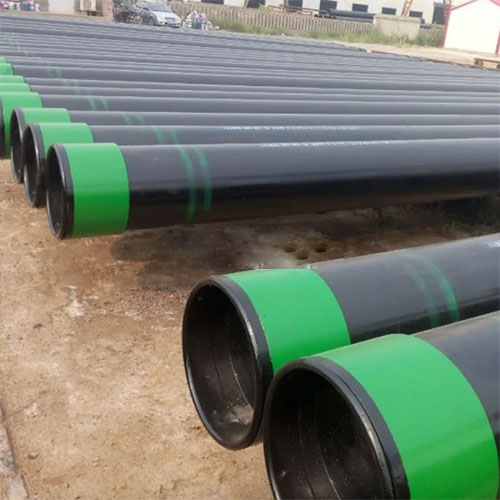
Oil casing refers to Steel Pipes used to support the walls of oil and gas wells, preventing contamination of water bodies with oil and gas resulting from drilling operations. Beyond this basic understanding, the complexity of selecting the right oil casing lies in the details.
The virgin soil of casing selection is the evaluation of the operational environment. Drilling engineers take the forefront in this stage to analyze geological data, including well depth, pressure and temperature conditions, corrosion potential, and the characteristics of the oil or gas to be extracted. This information will help in selecting the most suitable Material and casing size, crucial in ensuring the longevity and safety of the well.
Once the operational environment is clear, the next step involves choosing the casing type. Generally, there are three types of casings: conductor casing, surface casing, and production casing. Conductor casing is used to prevent the loose surface soil from collapsing during the drilling process. Surface casings, on the other hand, are tasked to prevent seepage into groundwater, acting as a second barrier after the conductor casings. Production casings descend the deepest into the well and are responsible for bringing the oil or gas to the surface.
Having picked a specific type of casing, it’s then vital to decide on the casing sizes. Typically, the casing size design depends on factors such as well depth, drilling equipment, and expected production rate. The selection process is often a bit complex since a smaller casing might restrict the well’s output volume, while larger casings could adversely affect the strength of the well.
Sealing the deal in casing selection is the consideration of pressure and temperature ratings for the casing. Different well zones exert varying amounts of pressure and temperatures, changing with the depth of the well. The casing material and its thickness must withstand these variances. Incorrect ratings can lead to casing failure, with catastrophic effects.
In conclusion, a proper understanding of the involved procedures in oil casing selection is directly tied to the success, safety, and productivity of oil and gas extractions. The stakes riding on these choices are too high, considering the potential environmental impacts of any mishap.
Moreover, the costs associated with poor casing selection, including operational failures, lost time, and damaged equipment are colossal. Therefore, it’s not just about having the comprehension of oil casing selection procedures, rather applying the knowledge with utmost precision and care.
Oil casing selection, in its depth and complexity, is a testament to the marvels and challenges of the oil and gas extraction industry. Indeed, this illuminates profoundly the intricate interplay between technical know-how, environmental concerns, and commercial realities foundational to this industry.