Mikakati ya Msingi ya Uteuzi wa Hifadhi ya Mafuta
Uchambuzi wa Kina wa Taratibu Tofauti katika Uteuzi wa Casing ya Mafuta
Sayansi na sanaa ya uteuzi wa kabati la mafuta ni msingi katika tasnia ya uchimbaji wa mafuta na gesi. Uelewa wa kina wa taratibu mbalimbali zinazohusika hufanya zaidi ya kuchangia tu michakato yenye ufanisi ya uchimbaji; huweka msingi wa shughuli za uchimbaji wenye mafanikio na huhakikisha tija endelevu.
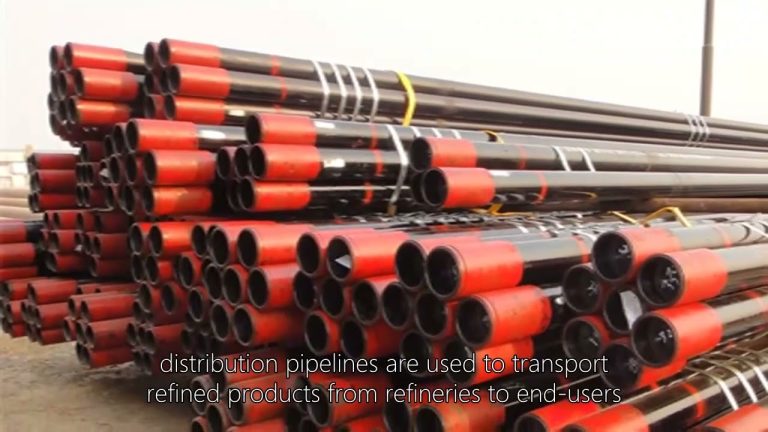
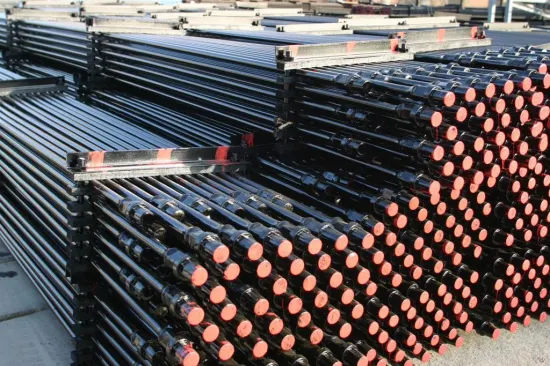
Mfuko wa mafuta unarejelea mabomba ya chuma yanayotumika kuunga kuta za visima vya mafuta na gesi, kuzuia uchafuzi wa vyanzo vya maji kwa mafuta na gesi kutokana na shughuli za uchimbaji. Zaidi ya ufahamu huu wa kimsingi, utata wa kuchagua kifuko sahihi cha mafuta upo katika maelezo.
Udongo sikivu wa uteuzi wa kabati ni tathmini ya mazingira ya utendakazi. Wahandisi wa kuchimba visima huchukua mstari wa mbele katika hatua hii kuchanganua data ya kijiolojia, ikijumuisha kina cha kisima, shinikizo na hali ya joto, uwezekano wa kutu, na sifa za mafuta au gesi inayotolewa. Taarifa hii itasaidia katika kuchagua nyenzo zinazofaa zaidi na ukubwa wa kasha, muhimu katika kuhakikisha maisha marefu na usalama wa kisima.
Mara tu mazingira ya uendeshaji yanapokuwa wazi, hatua inayofuata inahusisha kuchagua aina ya casing. Kwa ujumla, kuna aina tatu za casings: casing kondakta, uso casing, na uzalishaji casing. Ufungaji wa kondakta hutumiwa kuzuia udongo usio na uso kuanguka wakati wa mchakato wa kuchimba visima. Vifuniko vya uso, kwa upande mwingine, vina jukumu la kuzuia maji kuingia kwenye maji ya chini ya ardhi, hufanya kama kizuizi cha pili baada ya casings za kondakta. Vifuko vya uzalishaji hushuka hadi ndani kabisa ya kisima na huwajibika kuleta mafuta au gesi juu ya uso.
Baada ya kuchagua aina mahususi ya kabati, basi ni muhimu kuamua juu ya ukubwa wa kabati. Kwa kawaida, muundo wa ukubwa wa casing hutegemea mambo kama vile kina cha kisima, vifaa vya kuchimba visima, na kiwango cha uzalishaji kinachotarajiwa. Mchakato wa kuchagua mara nyingi huwa mgumu kidogo kwa kuwa kifuko kidogo kinaweza kuzuia kiasi cha kutoa kisima, ilhali vifuko vikubwa vinaweza kuathiri vibaya uimara wa kisima.
Kufunga mpango huo katika uteuzi wa kabati ni kuzingatia shinikizo na ukadiriaji wa halijoto kwa kabati. . Kanda tofauti za visima hutoa viwango tofauti vya shinikizo na halijoto, ikibadilika kulingana na kina cha kisima. Nyenzo za casing na unene wake lazima zihimili tofauti hizi. Ukadiriaji usio sahihi unaweza kusababisha kushindwa kwa casing, na athari mbaya.
Kwa kumalizia, uelewa sahihi wa taratibu zinazohusika katika uteuzi wa kiganda cha mafuta unahusishwa moja kwa moja na mafanikio, usalama, na tija ya uchimbaji wa mafuta na gesi. Hisa zinazohusika na chaguo hizi ni kubwa mno, kwa kuzingatia athari za kimazingira zinazoweza kusababishwa na ajali yoyote.
Aidha, gharama zinazohusiana na uteuzi mbaya wa kabati, ikijumuisha hitilafu za uendeshaji, muda uliopotea na vifaa vilivyoharibika ni kubwa sana. Kwa hivyo, sio tu juu ya kuwa na ufahamu wa taratibu za uteuzi wa kasha la mafuta, badala yake kutumia maarifa kwa usahihi na uangalifu wa hali ya juu.
Uteuzi wa kabati la mafuta, kwa undani na ugumu wake, ni ushuhuda wa maajabu na changamoto za mafuta na gesi. sekta ya uchimbaji. Hakika, hii inaangazia kwa kina mwingiliano tata kati ya ujuzi wa kiufundi, wasiwasi wa mazingira, na ukweli wa kibiashara msingi wa tasnia hii.
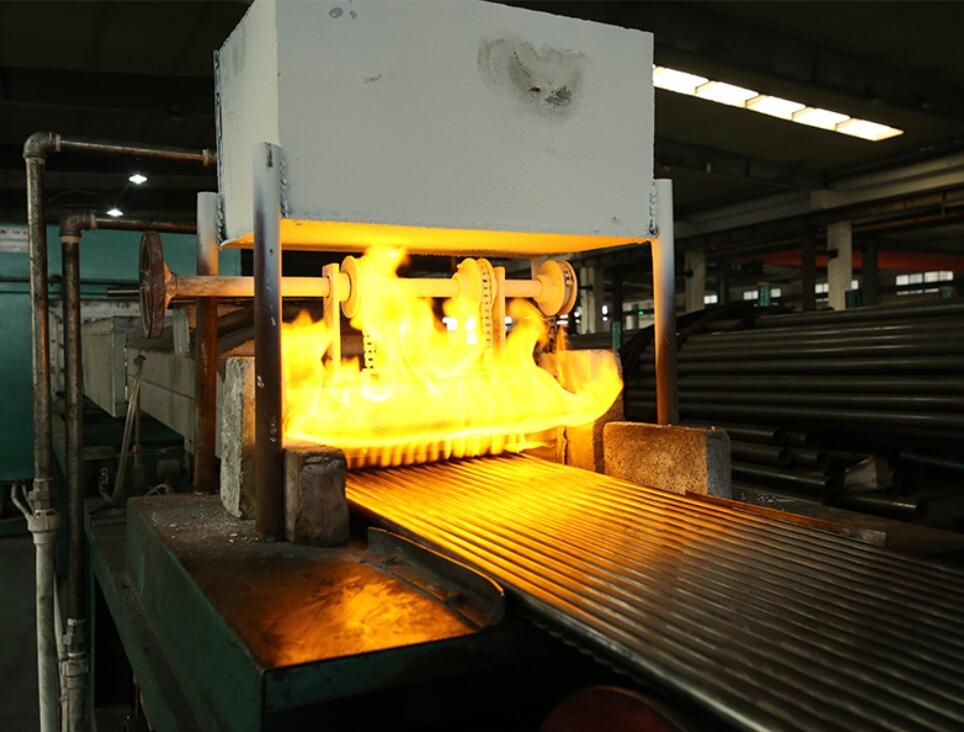
To facilitate this, engineers make use of the “casing program.” This is a successive layering of casings; surface, intermediate, and production, all individually designed to combat specific drilling challenges. For example, the surface casing is meant to secure the top part of the well and protect freshwater zones, while the Production casing, the smallest in size, is designed to facilitate fluid movement. Thus, each casing layer serves a unique function that contributes overtly to the overall well’s efficiency.
Next comes the task of selecting a suitable Material grade for the casing. Often, low Carbon Steel and alloyed steel are used. However, the casing material must be cHosen carefully, keeping in mind the well’s operational conditions. More critical wells might require stronger and more resistant materials like chromium and nickel-based alloys to withstand their harsh environments.
Furthermore, other key elements to consider during the Oil Casing selection process include ensuring efficient connectivity between casings and applying an effective Sealing system. These Connections play a crucial role in maintaining the well’s functionality while also preventing the occurrence of Leakages or bursts.
casing in Oil WellUnderstanding the fundamental strategies of oil casing selection can provide a broader perspective on the complexities involved in oil drilling and extraction. To ensure optimal extraction and avoid crippling technical problems, oil casing must be selected strategically and methodically, demonstrating an understanding of the forces at play in extraction and transportation.
In conclusion, oil casing selection is not simply a case of “one-size-fits-all”. It requires an in-depth understanding of various factors, including the well’s operational aspects, casing material, size, Weight, sealing systems and the environment in which the well is situated. It is a meticulous process with procedures that must be executed with precision and expert knowledge to ensure the successful and safe extraction of oil.
In-Depth Analysis of Different Procedures in Oil Casing Selection
The science and art of oil casing selection are fundamental in the Oil and Gas extraction industry. An in-depth understanding of the different procedures involved does more than just contribute to efficient extraction processes; it sets the foundation for successful drilling operations and guarantees sustained productivity.
Oil casing refers to Steel Pipes used to support the walls of oil and gas wells, preventing contamination of water bodies with oil and gas resulting from drilling operations. Beyond this basic understanding, the complexity of selecting the right oil casing lies in the details.
The virgin soil of casing selection is the evaluation of the operational environment. Drilling engineers take the forefront in this stage to analyze geological data, including well depth, pressure and temperature conditions, corrosion potential, and the characteristics of the oil or gas to be extracted. This information will help in selecting the most suitable material and casing size, crucial in ensuring the longevity and safety of the well.
Once the operational environment is clear, the next step involves choosing the casing type. Generally, there are three types of casings: conductor casing, surface casing, and production casing. Conductor casing is used to prevent the loose surface soil from collapsing during the drilling process. Surface casings, on the other hand, are tasked to prevent seepage into groundwater, acting as a second barrier after the conductor casings. Production casings descend the deepest into the well and are responsible for bringing the oil or gas to the surface.
Having picked a specific type of casing, it’s then vital to decide on the casing sizes. Typically, the casing size design depends on factors such as well depth, drilling equipment, and expected production rate. The selection process is often a bit complex since a smaller casing might restrict the well’s output volume, while larger casings could adversely affect the strength of the well.
Sealing the deal in casing selection is the consideration of pressure and temperature ratings for the casing. Different well zones exert varying amounts of pressure and temperatures, changing with the depth of the well. The casing material and its thickness must withstand these variances. Incorrect ratings can lead to casing failure, with catastrophic effects.
In conclusion, a proper understanding of the involved procedures in oil casing selection is directly tied to the success, safety, and productivity of oil and gas extractions. The stakes riding on these choices are too high, considering the potential environmental impacts of any mishap.
Moreover, the costs associated with poor casing selection, including operational failures, lost time, and damaged equipment are colossal. Therefore, it’s not just about having the comprehension of oil casing selection procedures, rather applying the knowledge with utmost precision and care.
Oil casing selection, in its depth and complexity, is a testament to the marvels and challenges of the oil and gas extraction industry. Indeed, this illuminates profoundly the intricate interplay between technical know-how, environmental concerns, and commercial realities foundational to this industry.